
Mulch is often the “unsung hero” of the gardening world. While most homeowners focus on the flashiness of blooming perennials or the height of ornamental trees, it is the mulch beneath them that ties the entire aesthetic together. Beyond its visual appeal, mulch serves as a protective blanket for your soil—retaining moisture, suppressing stubborn weeds, and regulating temperature.
If your yard feels unfinished or a bit “messy,” a fresh application of mulch is the fastest way to achieve a professional, high-end look without a massive renovation budget. From the sleek lines of modern black mulch to the rustic charm of pine straw, here are 16 transformative mulch landscaping ideas to elevate your outdoor space.
1. Black Mulch
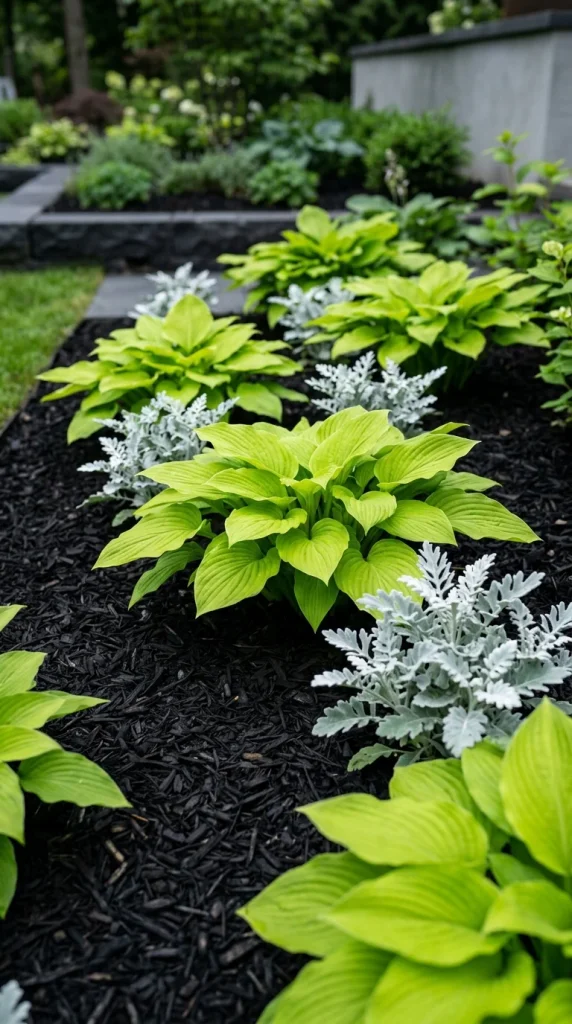
Black mulch has become the darling of modern landscaping for one primary reason: contrast. Because of its dark, neutral tone, it makes the greens of your foliage and the vibrant colors of your flowers “pop” with incredible intensity. It mimics the look of rich, deep forest soil and provides a sleek, contemporary backdrop that works particularly well with grey or white modern homes. When using black mulch, ensure it is a high-quality dyed wood to maintain its color throughout the season.
2. Cedar Chips
Cedar mulch is as functional as it is beautiful. Known for its pleasant, woody aroma, cedar contains natural oils that act as a deterrent for many common garden pests, including termites and ants. Visually, cedar chips offer a warm, golden-to-reddish hue that brings a “Pacific Northwest” or “mountain retreat” vibe to your yard. It decomposes slower than other hardwoods, meaning you won’t have to top it off as frequently.
3. Pine Straw
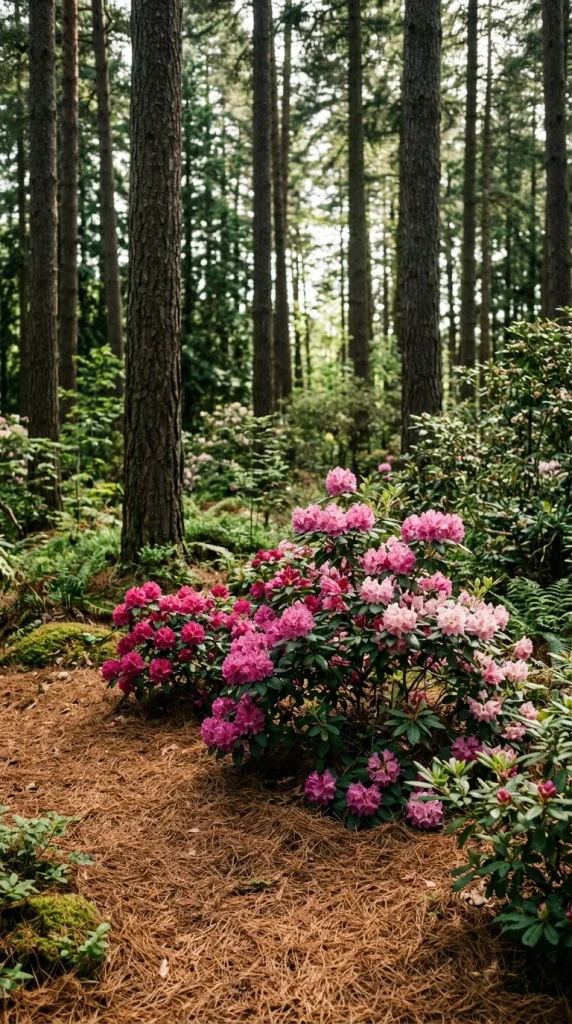
Commonly used in the Southern United States, pine straw (or pine needles) offers a soft, textured appearance that looks incredibly natural in wooded lots. It is lightweight, easy to spread, and excellent for acid-loving plants like blueberries, rhododendrons, and azaleas. Unlike heavy wood chips, pine straw doesn’t wash away easily during heavy rains because the needles “lock” together, making it a top choice for sloped areas.
4. River Rock
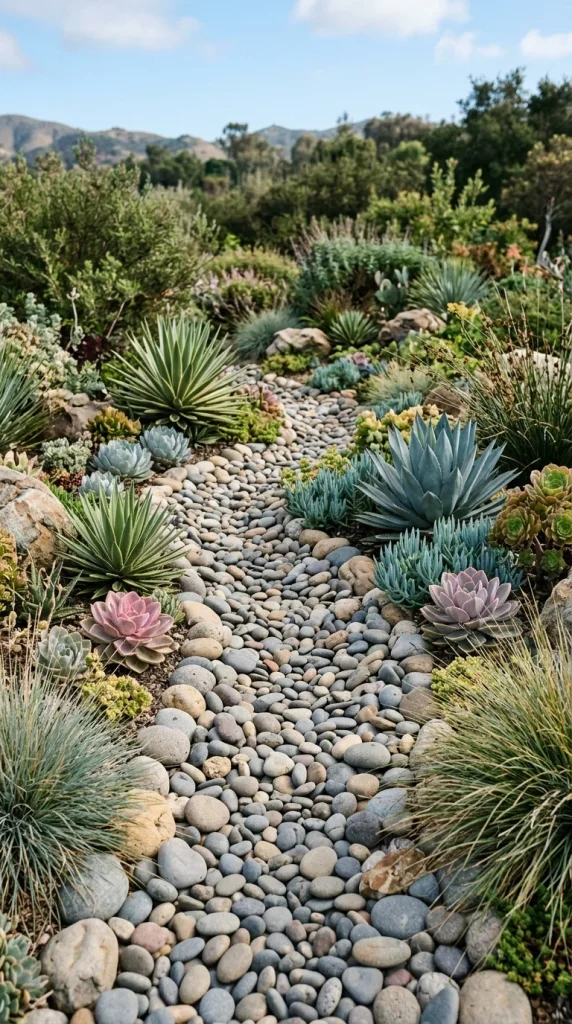
For those seeking a permanent solution, river rock is an excellent “mulch” alternative. While it doesn’t provide the organic nutrients that wood does, it offers a clean, architectural look that never needs to be replaced. It is ideal for modern, Mediterranean, or Zen-style gardens. River rocks are also perfect for areas with drainage issues, as they allow water to flow freely while preventing soil erosion.
5. Tree Rings
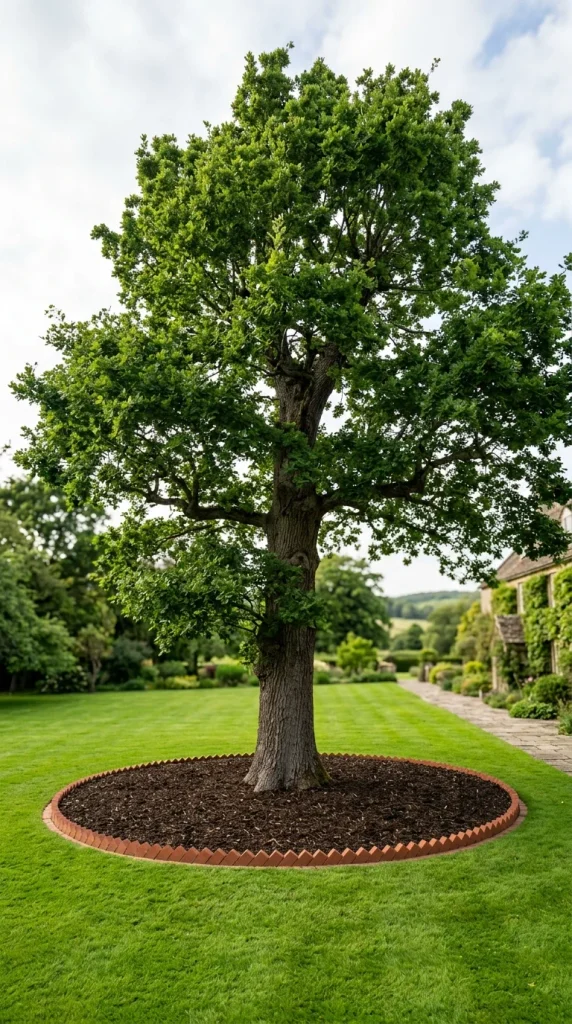
One of the easiest ways to make a yard look “instant-better” is to define the space around your trees. Tree rings prevent lawnmowers from damaging sensitive trunks and stop grass from competing with the tree for water. A neatly mulched circle—either edged with stone or simply “cut” into the turf—creates a focal point that makes even a single tree look like a deliberate design choice rather than an afterthought.
6. Walkway Borders
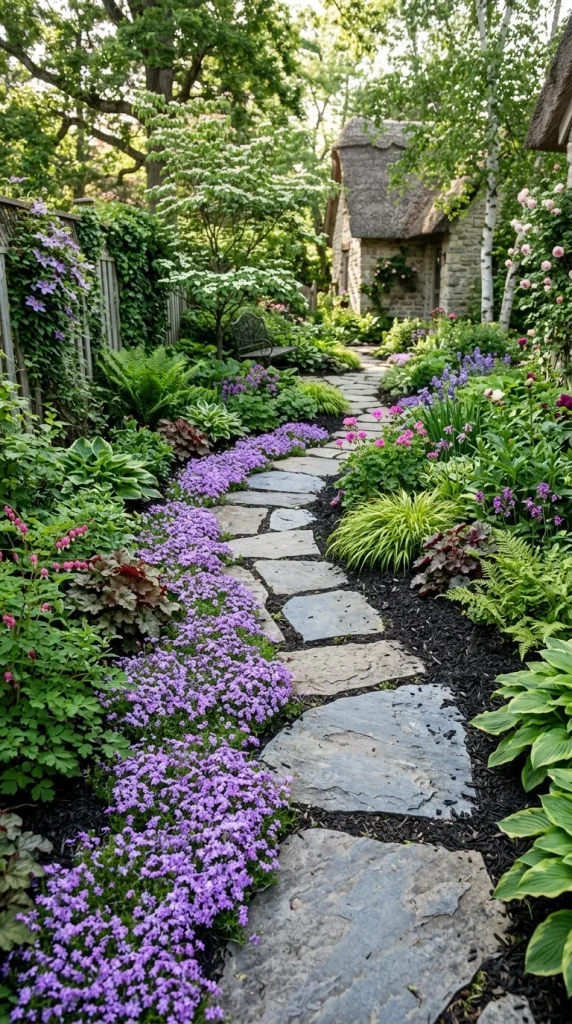
Mulch is the perfect medium for defining walkways. By laying a thick strip of mulch on either side of a stone or gravel path, you create a visual guide that draws the eye through the landscape. This technique also provides a “buffer zone” that prevents grass from creeping into your path and keeps mud off your shoes during the rainy season.
7. Contrasting Layers
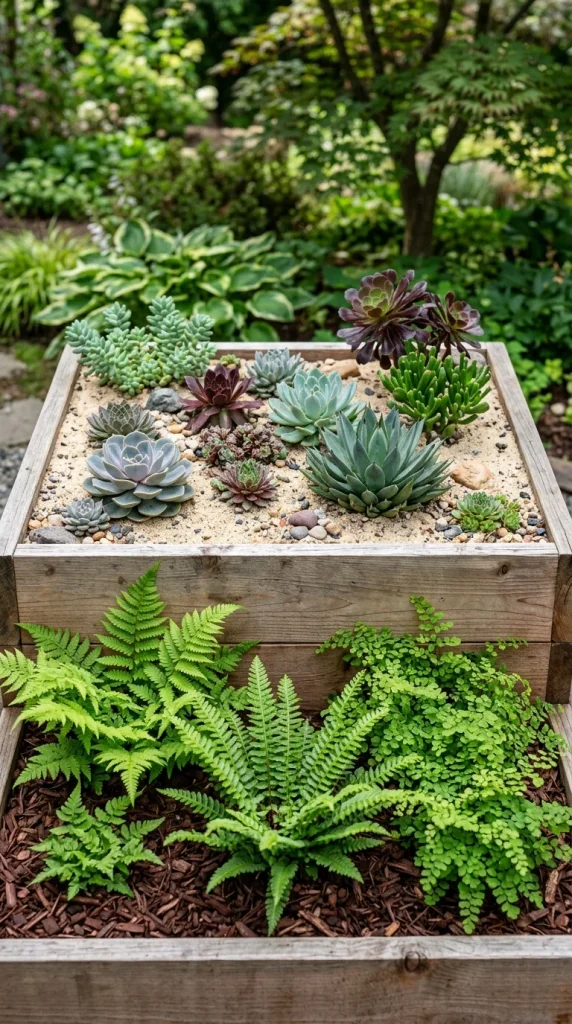
Who says you have to stick to one color? Using two different types of mulch—such as dark bark chips in the back and light-colored pebbles in the front—can create a sense of depth and dimension. This layered approach is particularly effective in large garden beds that might otherwise look like a flat “sea” of brown. It allows you to highlight specific plant groupings and add architectural interest to the ground level.
8. Red Mulch
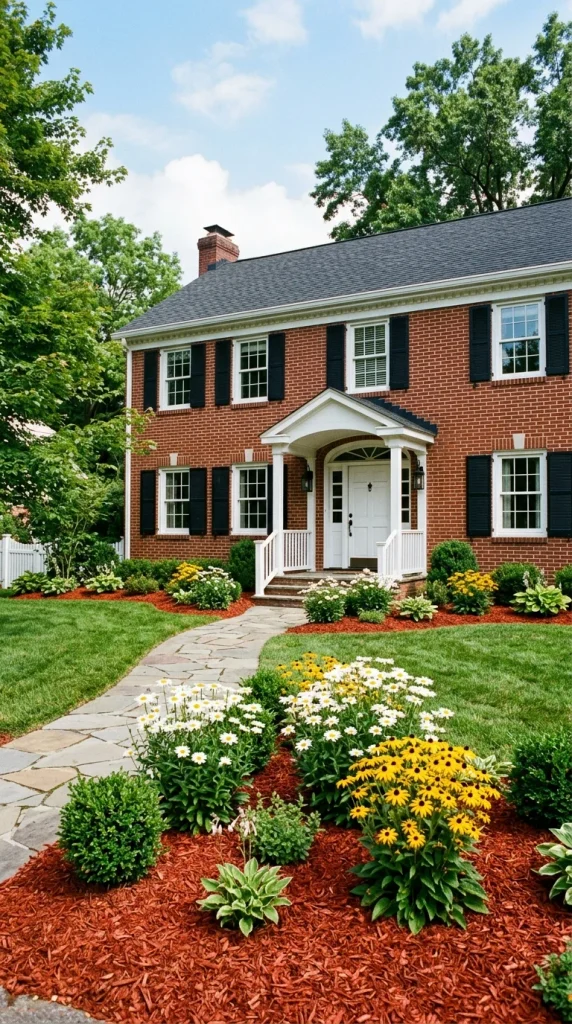
Red mulch is a bold choice that works exceptionally well with certain architectural styles. If your home has red brick accents or a warm-toned exterior, red mulch can harmonize the landscape with the structure. It provides a warm, energetic feel to the garden. To keep it looking its best, ensure you choose a UV-resistant dyed variety so the “wow factor” doesn’t fade into a dull pink over time.
9. Rubber Mulch
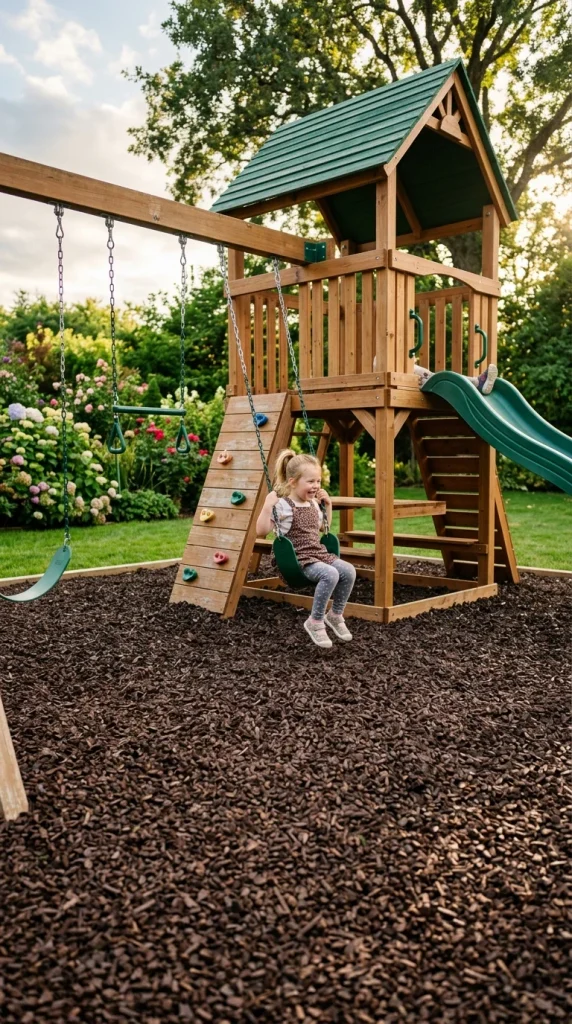
If you have a high-traffic area or a children’s play zone, rubber mulch is a game-changer. Made from recycled tires, it provides a soft, springy surface that minimizes injury from falls. From a landscaping perspective, it is virtually indestructible; it doesn’t rot, compress, or blow away. It stays exactly where you put it for years, making it a “set it and forget it” option for busy homeowners.
10. Living Mulch
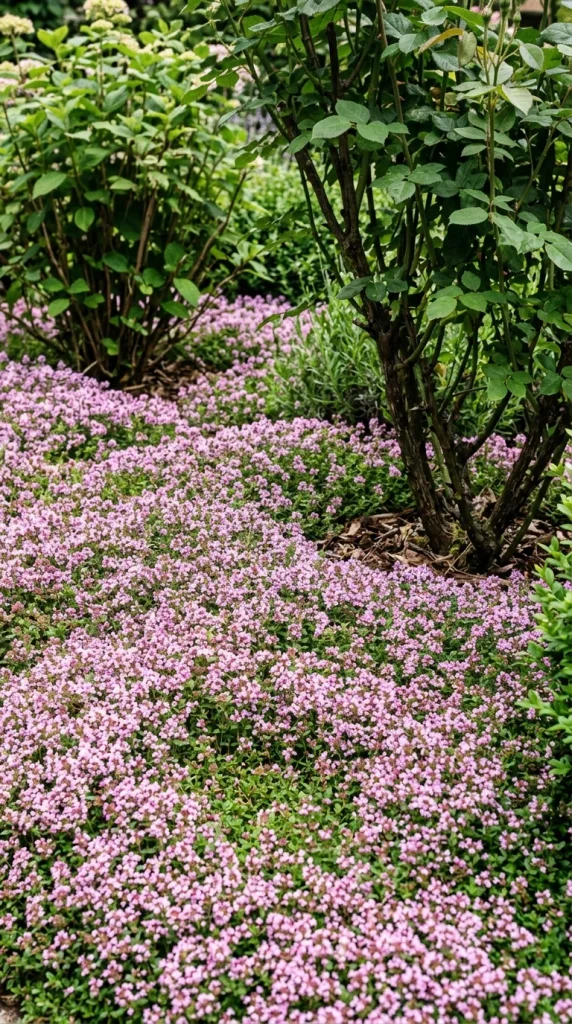
“Living mulch” refers to low-growing groundcovers that serve the same purpose as wood chips. Plants like creeping thyme, sedum, or clover spread across the soil, shading it and preventing weeds. This creates a “soft” look that feels ancient and established. It’s a wonderful eco-friendly option that adds oxygen to the environment and provides a habitat for pollinators.
11. Geometric Beds
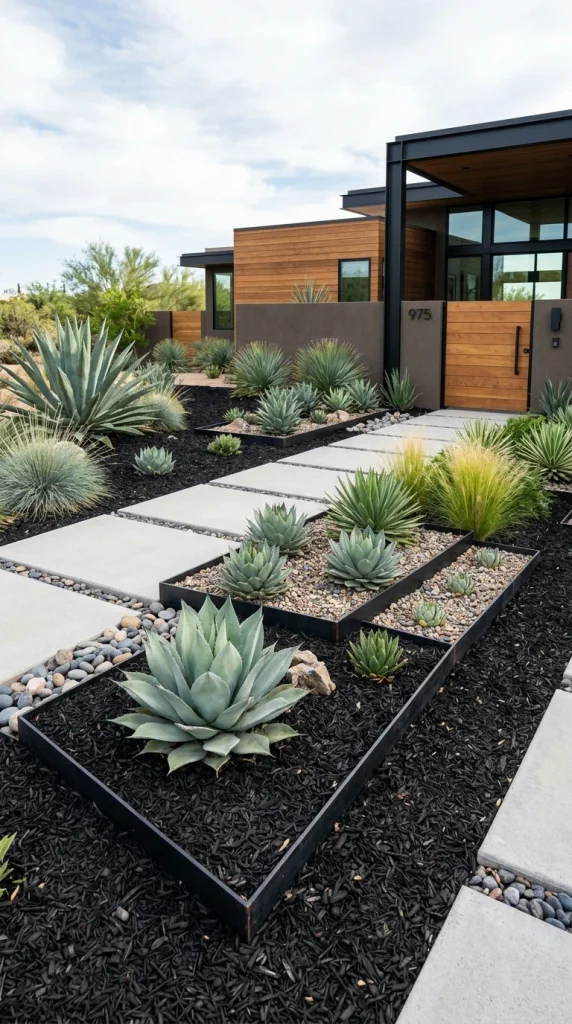
Move away from traditional curves and embrace the power of geometry. Creating mulch beds with sharp 90-degree angles or crisp triangular points can give a yard an upscale, designer feel. This works especially well in urban environments or with modern “box” style architecture. Use metal or plastic edging to keep the lines perfectly straight and prevent the mulch from spilling into the grass.
12. Island Beds
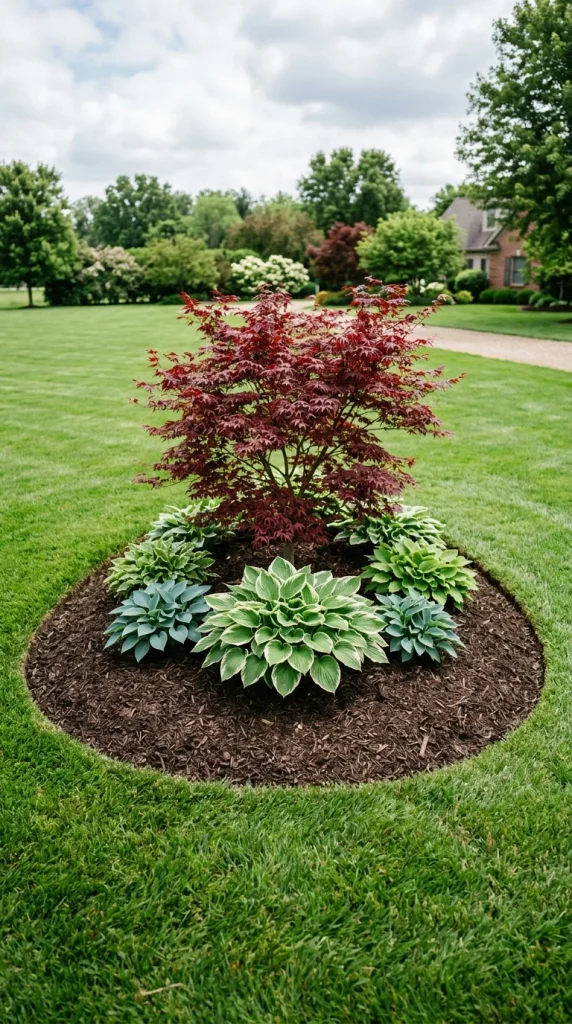
If you have a large expanse of lawn that feels boring, an “island” bed is the solution. By carving out a large area in the middle of the grass and filling it with mulch and a mix of shrubs and perennials, you break up the monotony. Island beds add a sense of luxury and scale to a property, making the yard feel more like a curated park than a simple suburban lot.
13. Under-Deck Solutions
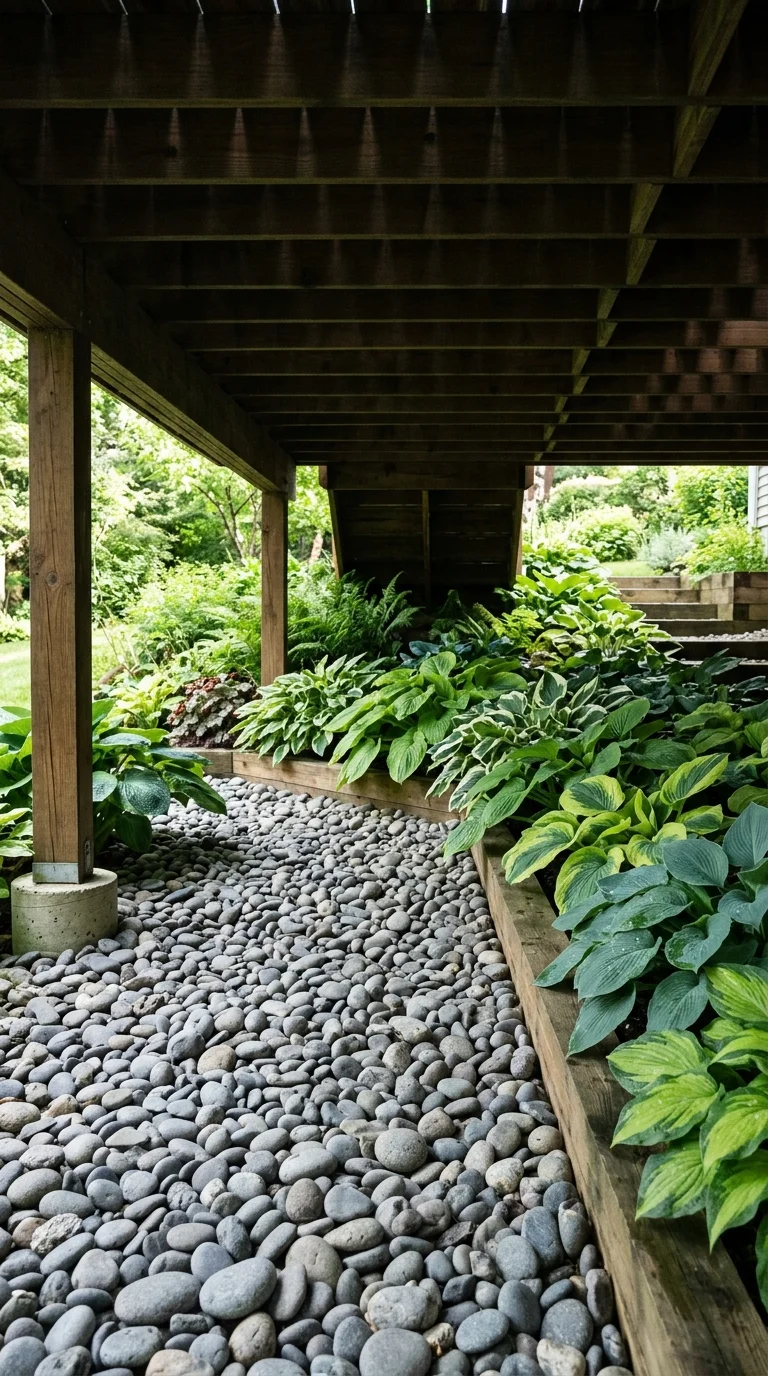
The area under a deck is often a “dead zone” where grass refuses to grow due to lack of sunlight. Instead of fighting nature, clear the weeds and lay down a heavy-duty weed barrier followed by a thick layer of mulch or decorative stone. This turns a dusty eyesore into a clean, intentional part of your landscape. It also prevents mud from splashing up onto the underside of your deck.
14. Tropical Accents
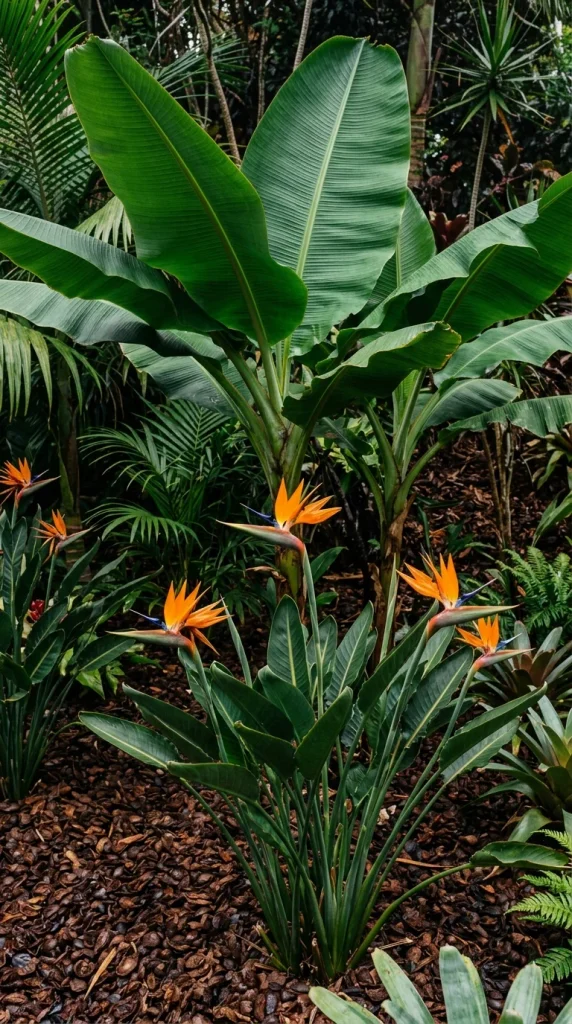
To achieve a tropical, “resort” look, use dark, fine-textured mulch that mimics the floor of a rainforest. Cocoa hulls or finely shredded hardwood work best here. The dark color makes the oversized, waxy leaves of tropical plants look even greener and more lush. Pair this with some outdoor lighting to create a vacation vibe right in your backyard.
15. Decorative Edging
The mulch itself looks better when it is contained by a beautiful border. Whether you choose classic bricks, modern steel edging, or natural cobblestones, a defined edge prevents “mulch creep” and gives your yard a finished, professional look. It also makes weed-whacking much easier, as you have a clear boundary to follow.
16. Slope Stability
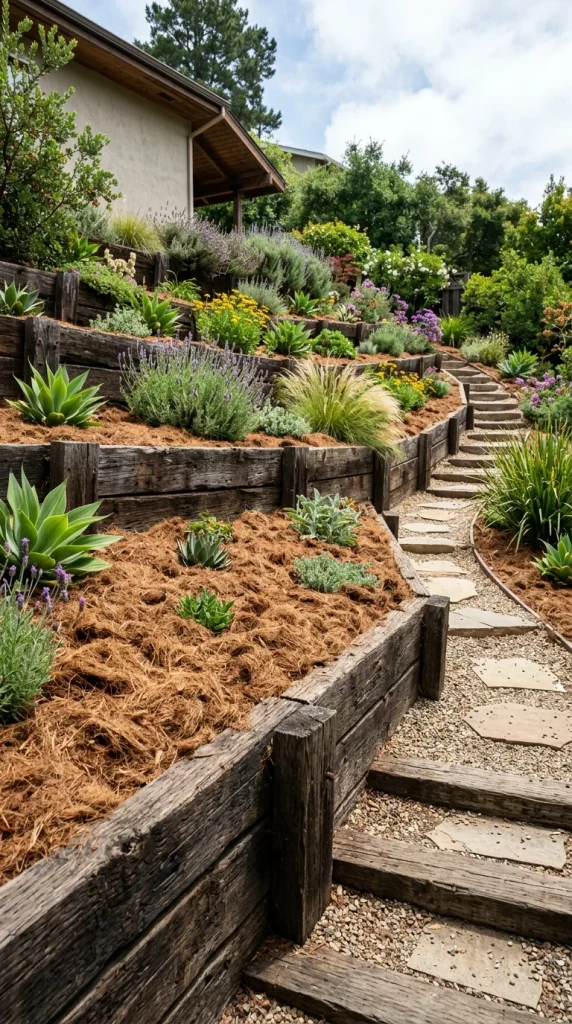
Mulching a slope can be tricky, as many types of mulch will wash away during a storm. The trick is to use “shredded” mulch (sometimes called “gorilla hair”). The long, fibrous strands interlock with each other, creating a mat that grips the soil and stays in place even on steep inclines. This not only looks better than a bare, eroding hillside but also protects your property from runoff.