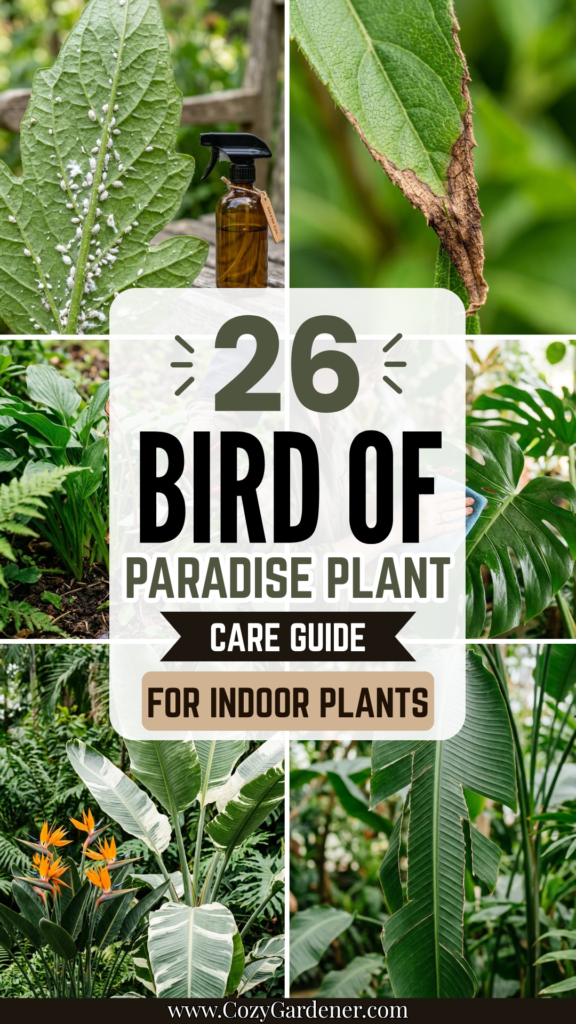
The Bird of Paradise (Strelitzia) is the undisputed royalty of the indoor plant world. With its dramatic, crane-like flowers and oversized, banana-shaped leaves, it brings an instant tropical transformation to any space. However, maintaining that lush, jungle-like vigor requires more than just luck. Whether you are nurturing the classic orange Strelitzia reginae or the towering Giant White Strelitzia nicolai, these 26 expert tips will ensure your plant thrives for years to come.
1. Lighting
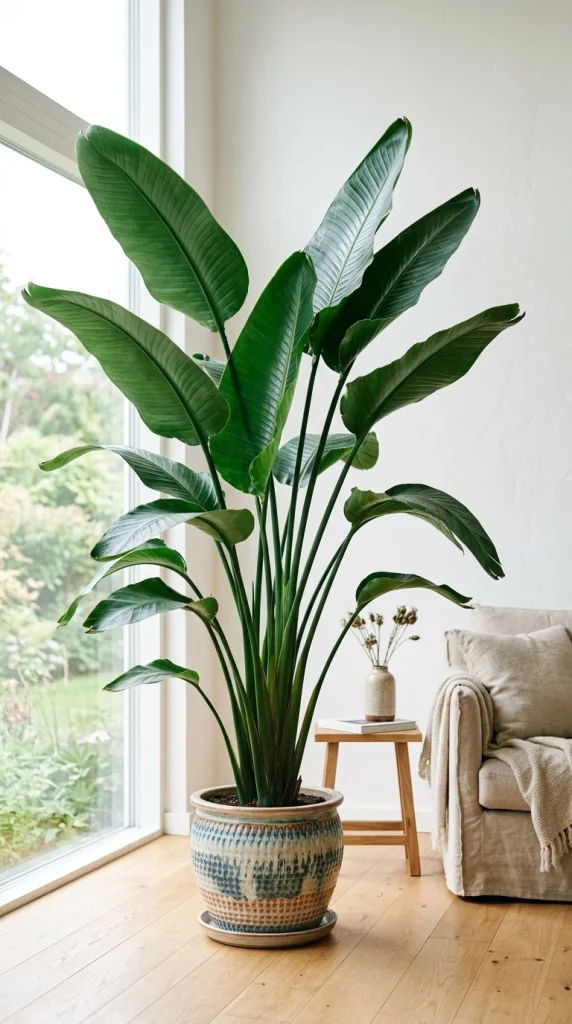
Lighting is the most critical factor for a Bird of Paradise. These plants are sun-worshippers. To keep them happy indoors, they need at least six hours of bright, indirect light daily. If you have a south-facing or west-facing window, that is the prime real estate for this botanical beauty. Without enough light, the plant will grow leggy, and its chances of blooming will drop to zero.
2. Watering
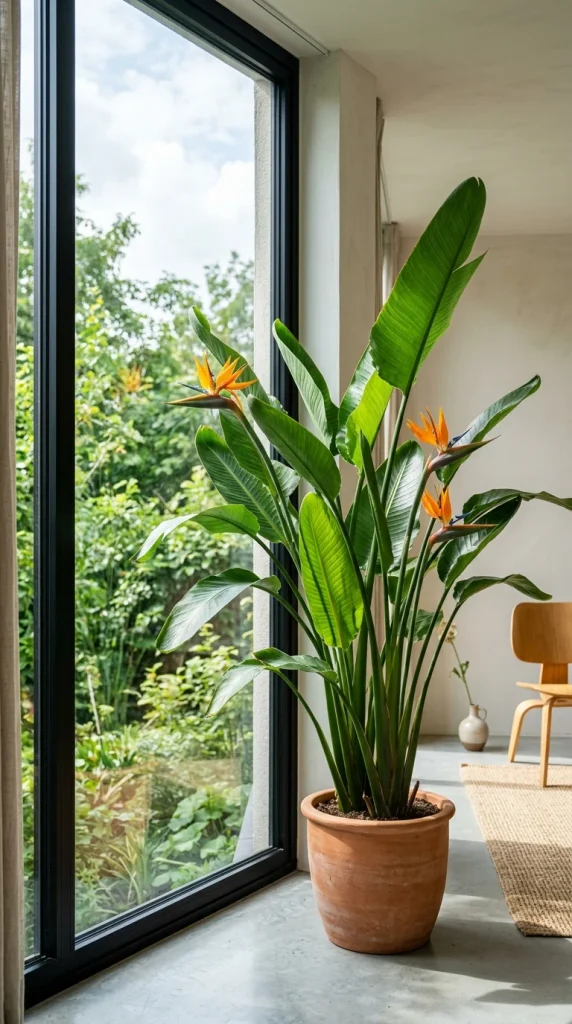
Consistency is the secret to a healthy Bird of Paradise. During the spring and summer growing seasons, you want to keep the soil consistently moist but never soggy. A good rule of thumb is to water when the top two inches of soil feel dry to the touch. In the winter, you can allow the soil to dry out a bit more between waterings as the plant’s metabolism slows down.
3. Humidity
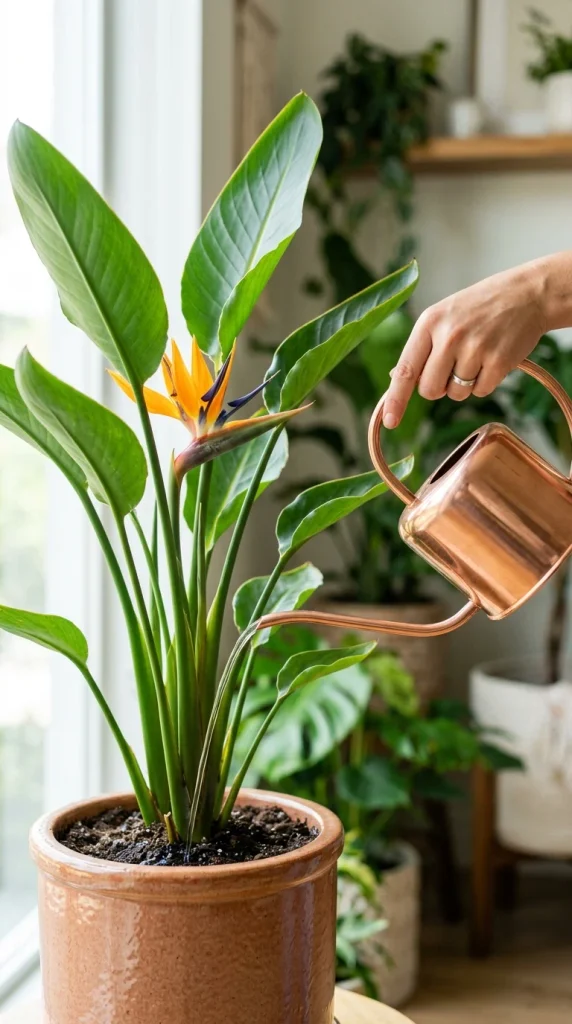
Hailing from South Africa, these plants love humidity. While they can tolerate average home humidity, they truly flourish when levels are above 50%. You can boost humidity by grouping plants together, using a pebble tray with water, or running a humidifier nearby. If the air is too dry, you might notice the edges of the leaves turning brown and crispy.
4. Temperature
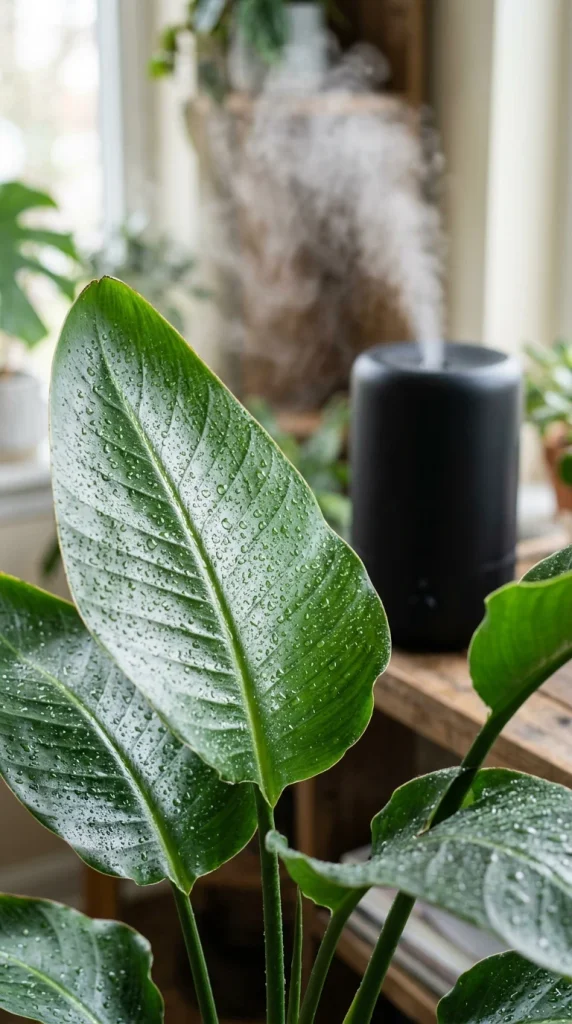
Bird of Paradise plants prefer temperatures between 65°F and 85°F. They are sensitive to the cold and should never be exposed to temperatures below 50°F. Keep them away from drafty windows, air conditioning vents, or heaters, as sudden temperature fluctuations can shock the plant and lead to leaf drop.
5. Soil
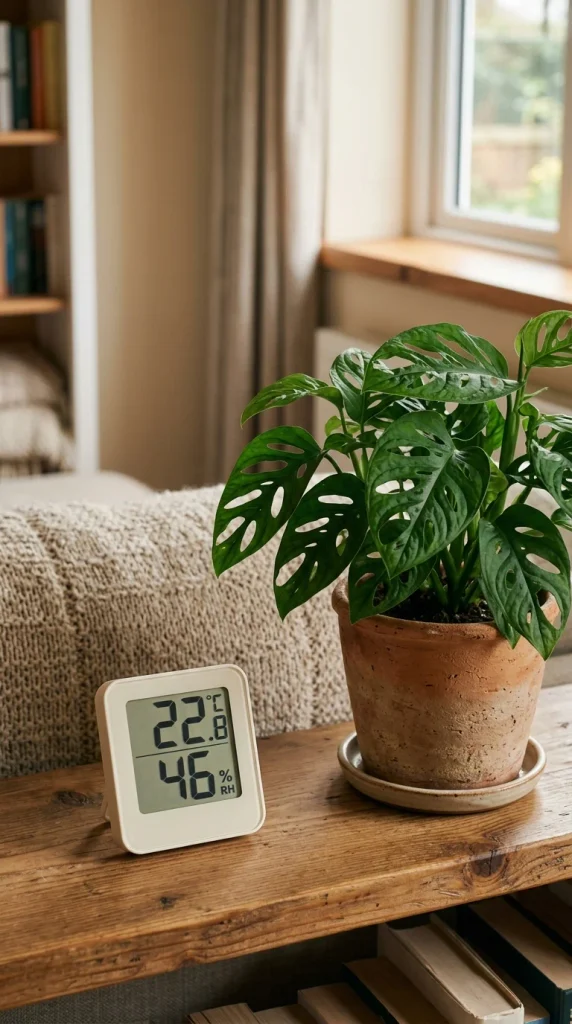
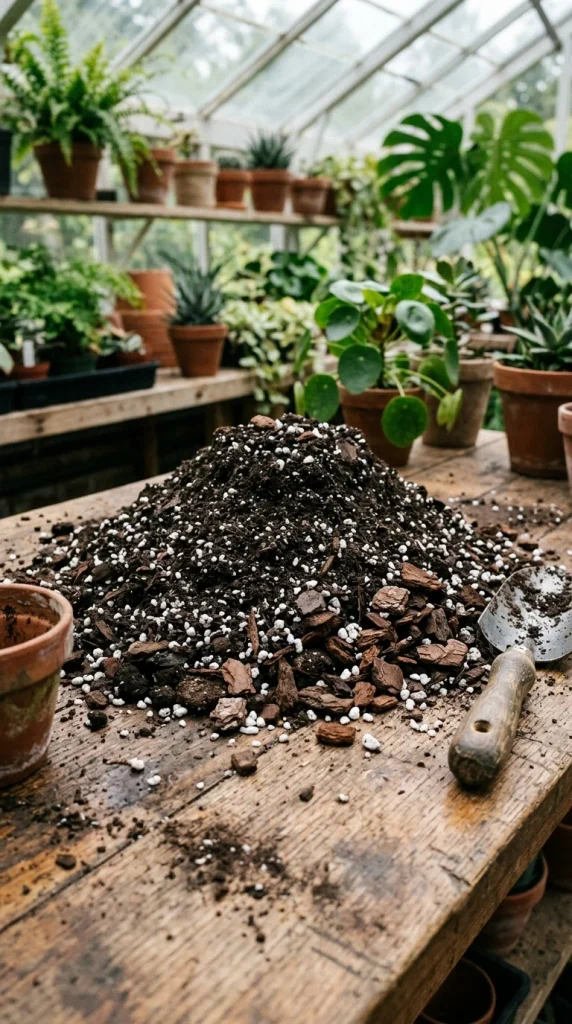
The right foundation makes all the difference. Use a high-quality, well-draining potting mix. A blend of peat moss, perlite, and pine bark works exceptionally well. This ensures that the roots have access to moisture while allowing excess water to escape, preventing the dreaded root rot.
6. Fertilization
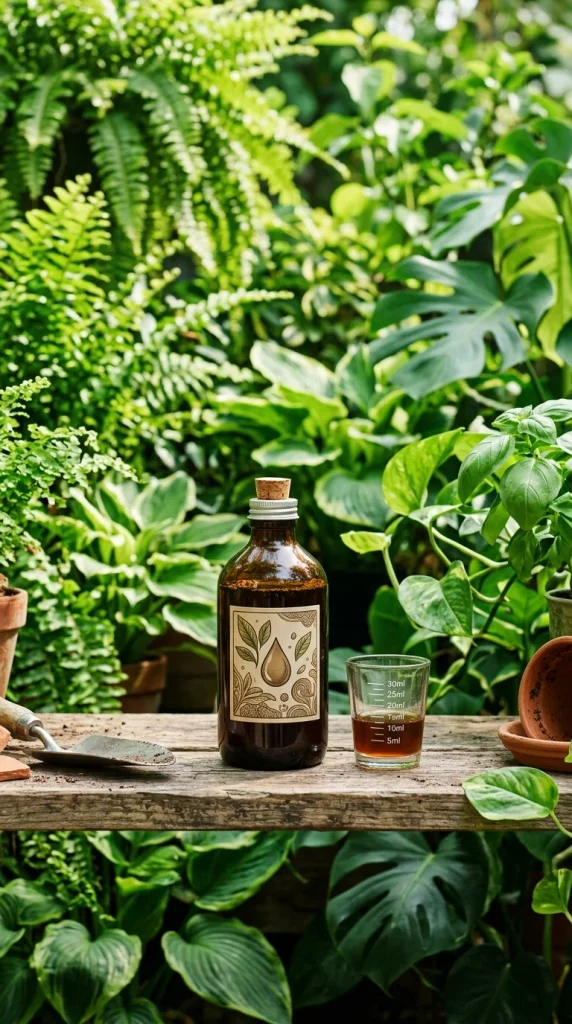
To support those massive leaves, the Bird of Paradise needs plenty of nutrients. Feed your plant every two weeks during the spring and summer with a balanced, water-soluble fertilizer. In the autumn and winter, stop fertilizing entirely to give the plant a rest. Always apply fertilizer to moist soil to avoid burning the delicate roots.
7. Drainage
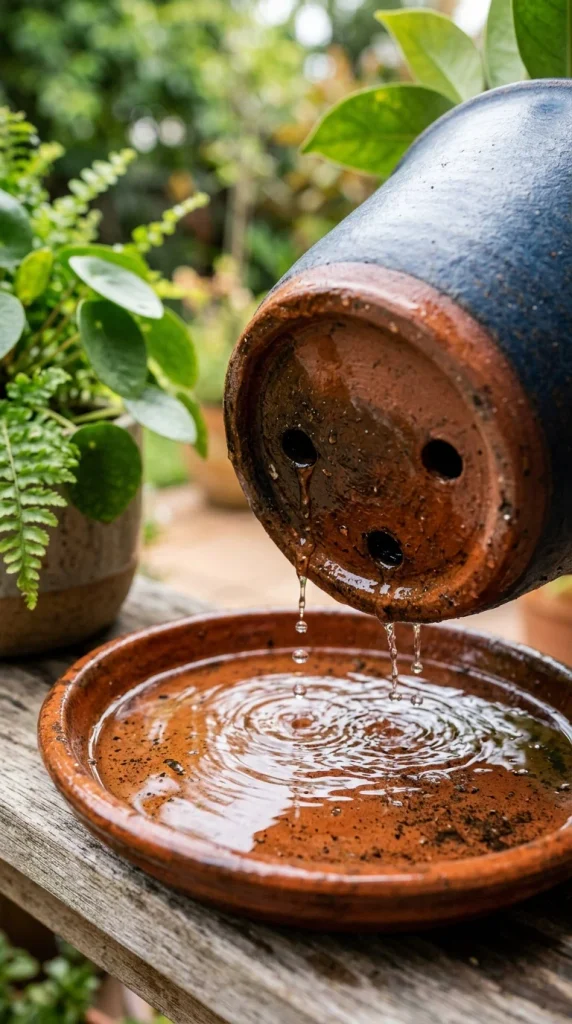
Never let your Bird of Paradise sit in standing water. Ensure your pot has ample drainage holes at the bottom. If you use a decorative “cachepot” without holes, keep the plant in a plastic nursery pot inside it, and always empty the excess water from the bottom of the decorative pot after watering.
8. Cleaning
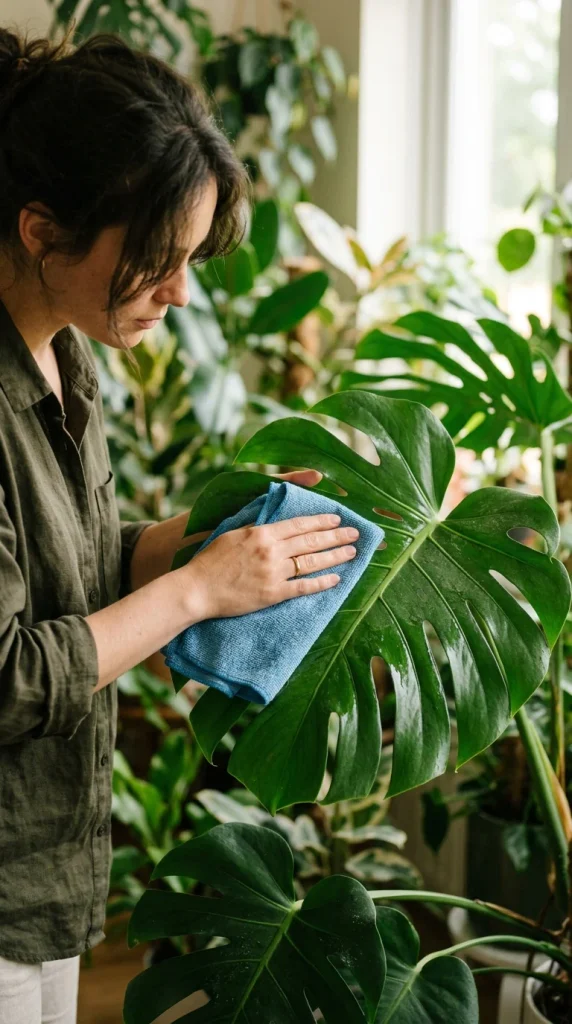
Because the leaves are so large, they tend to collect a lot of dust. Dust blocks sunlight and inhibits photosynthesis. Every few weeks, take a damp cloth and gently wipe down both the tops and bottoms of the leaves. This not only keeps the plant looking stunning but also helps it “breathe” better.
9. Pruning
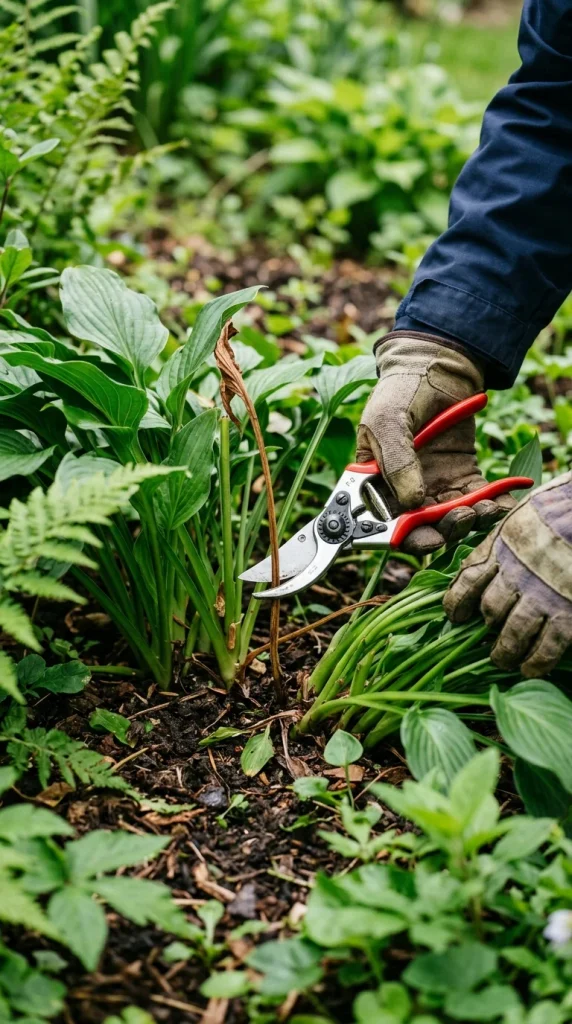
Regular maintenance keeps the plant focused on new growth. Use sterilized shears to cut away any yellowing or dead leaves at the base of the stem. If you are lucky enough to get blooms, prune the flower stalks once the flowers have faded to encourage the plant to put its energy back into foliage production.
10. Repotting
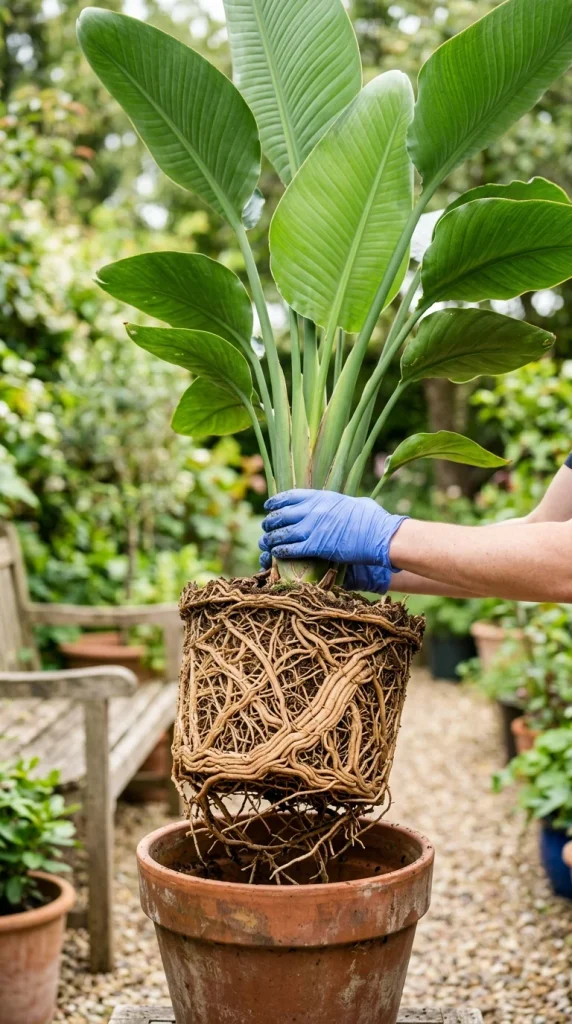
These plants actually enjoy being slightly root-bound, which can help stimulate flowering in the reginae variety. However, every two to three years, you should move it to a pot that is one size larger. The best time to repot is in early spring before the heavy growing season begins.
11. Pests
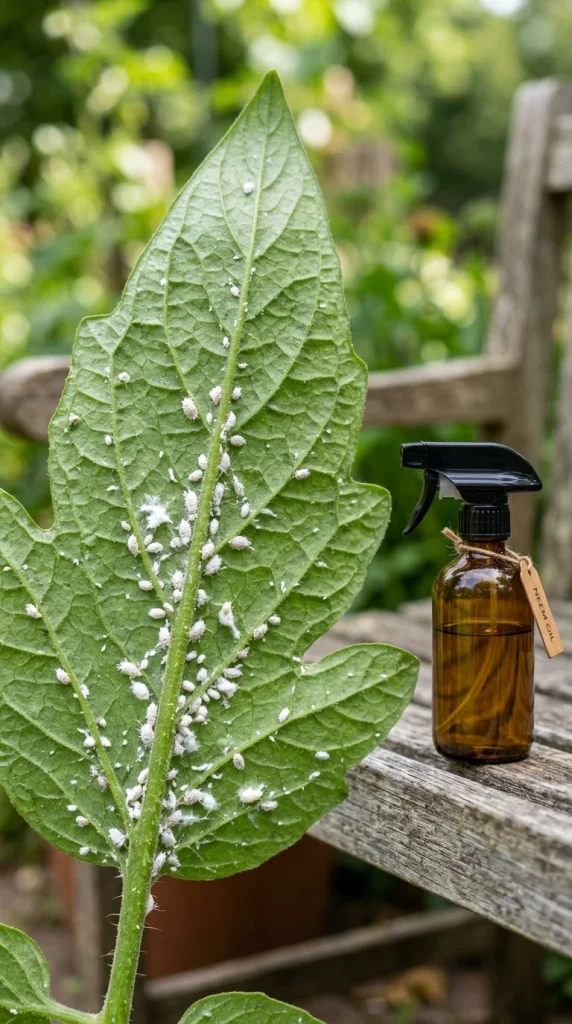
Keep a sharp eye out for common indoor pests like spider mites, scale, and mealybugs. If you spot any tiny webs or sticky residue on the leaves, treat the plant immediately with insecticidal soap or neem oil. Wiping the leaves regularly (as mentioned in Tip 8) is a great preventative measure.
12. Propagation
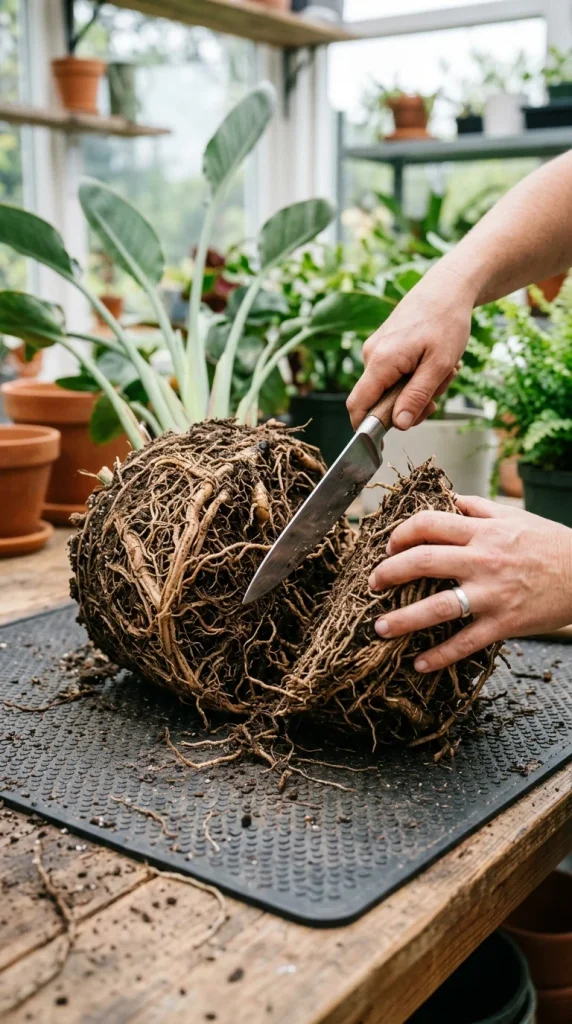
The most effective way to propagate a Bird of Paradise is through division. When repotting, you can carefully separate the rhizomes (underground stems) to create new plants. Each division should have at least a few leaves and a healthy portion of the root system attached.
13. Toxicity
Pet owners should be cautious. The Bird of Paradise is toxic to cats, dogs, and horses if ingested. It contains gastrointestinal irritants that can cause vomiting and drowsiness. It is best to keep the plant in a room that is inaccessible to curious pets or placed on a high stand where they cannot reach the foliage.
14. Flowering
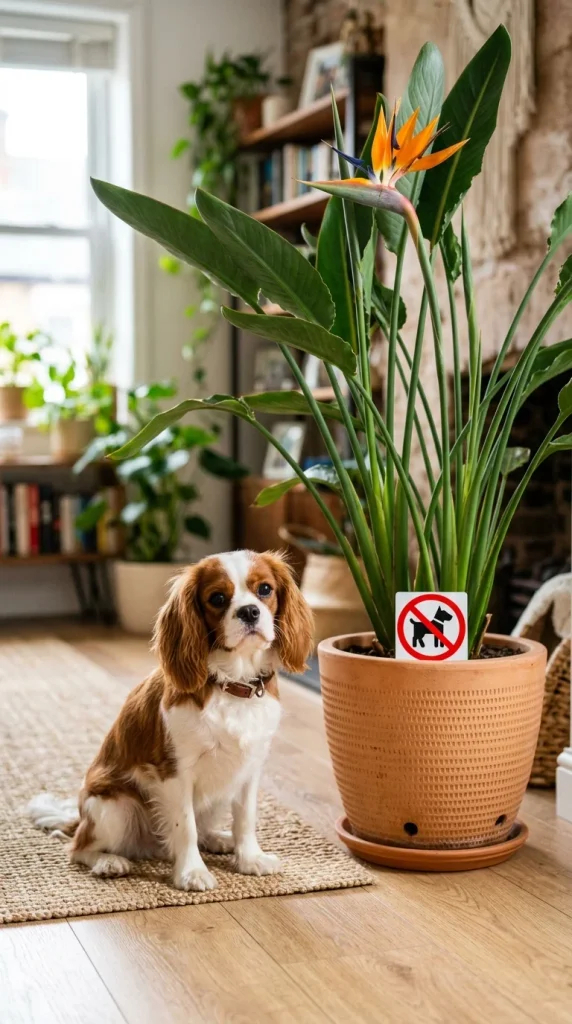
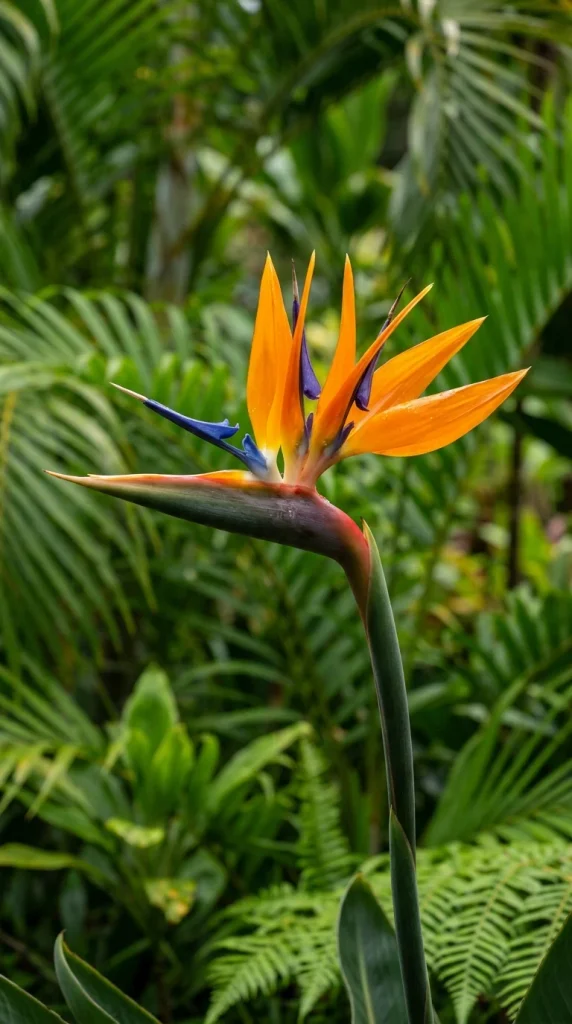
Don’t be discouraged if your indoor plant doesn’t bloom immediately. Indoor Strelitzia can take several years to reach maturity (usually 3-5 years). To encourage blooms, ensure the plant gets maximum light and is slightly snug in its pot. The Giant White variety (nicolai) rarely blooms indoors, as it needs to reach a massive height to do so.
15. Airflow
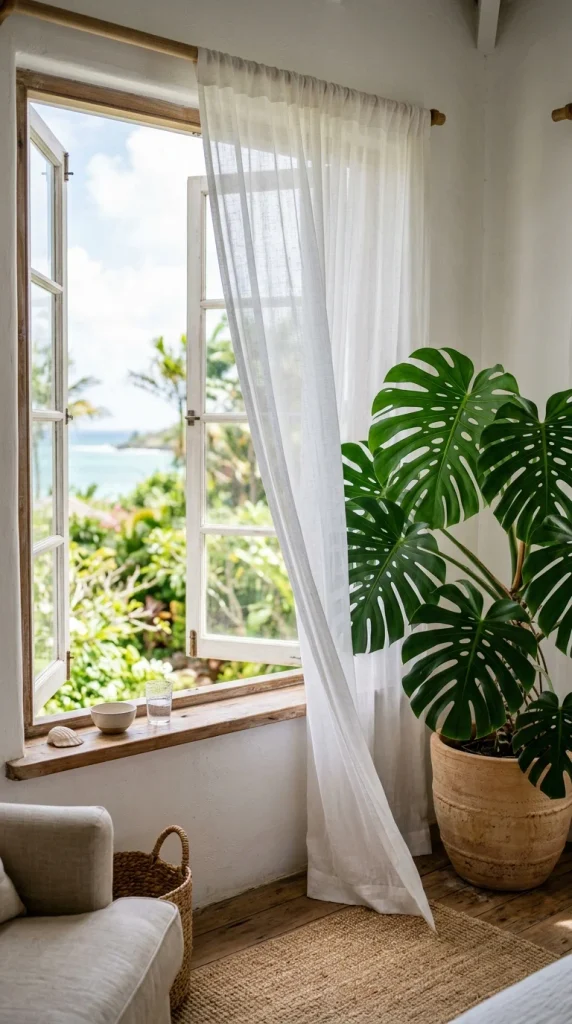
Good air circulation is vital for preventing fungal issues. Ensure your plant isn’t shoved into a stagnant corner. A gentle breeze from an open window or a ceiling fan on low can help keep the air moving around the large leaves, preventing the buildup of mold or mildew.
16. Varieties
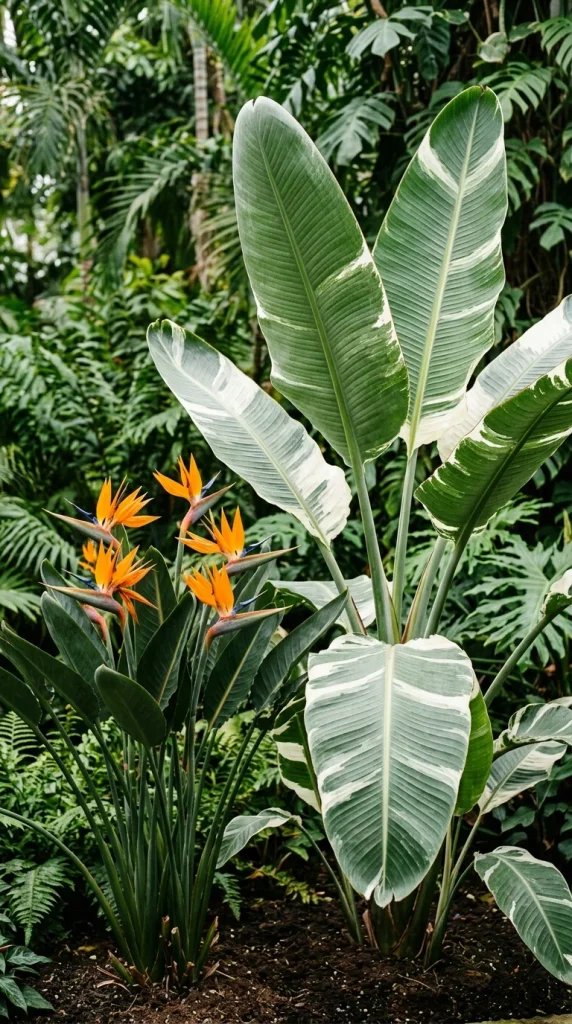
Know which one you have! The Strelitzia reginae grows to about 5-6 feet and has bright orange flowers. The Strelitzia nicolai can grow up to 20 feet tall and has massive leaves that look more like a banana tree. Their care is similar, but the nicolai will eventually require much more vertical space.
17. Water Quality
If you notice the tips of your leaves turning brown despite high humidity, your tap water might be the culprit. Bird of Paradise plants can be sensitive to chlorine and fluoride found in municipal water. Consider using distilled water, rainwater, or letting your tap water sit out for 24 hours before using it.
18. Seasonal Adjustments
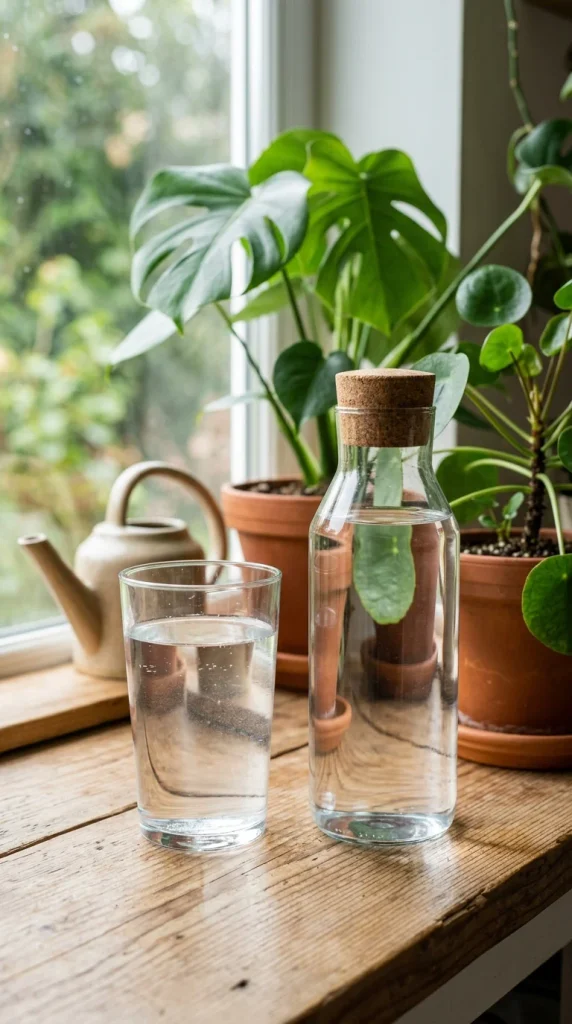
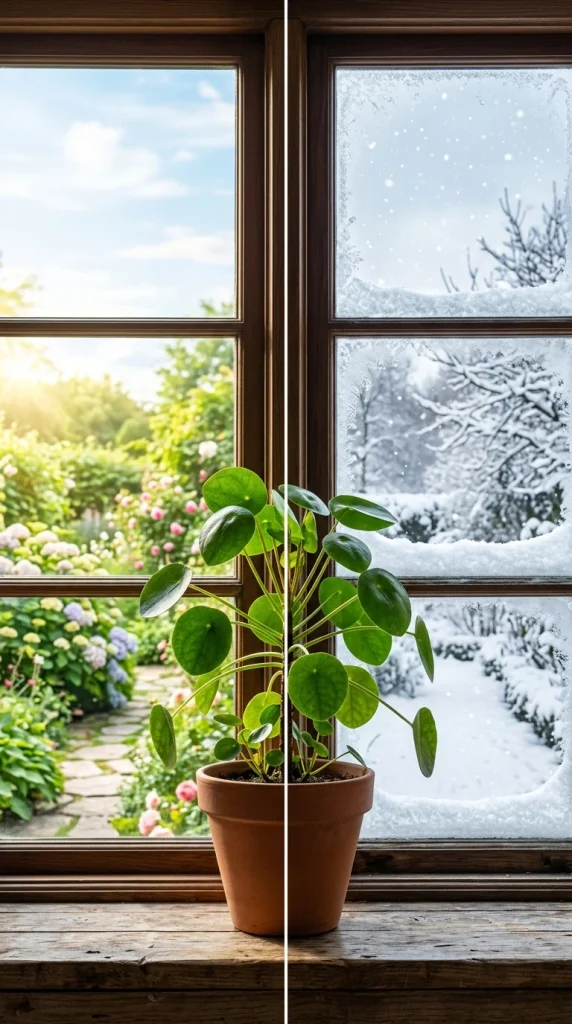
Adapt your care with the seasons. In the summer, increase watering and misting. In the winter, move the plant closer to the light source to compensate for shorter days and significantly reduce the frequency of watering. Never fertilize during the dormant winter months.
19. Yellow Leaves
Yellow leaves are usually a sign of overwatering or poor drainage. If you see yellowing, check the soil moisture. If the soil is soaking wet, stop watering and allow it to dry out. In extreme cases, you may need to repot the plant in fresh, dry soil to save it from root rot.
20. Brown Tips
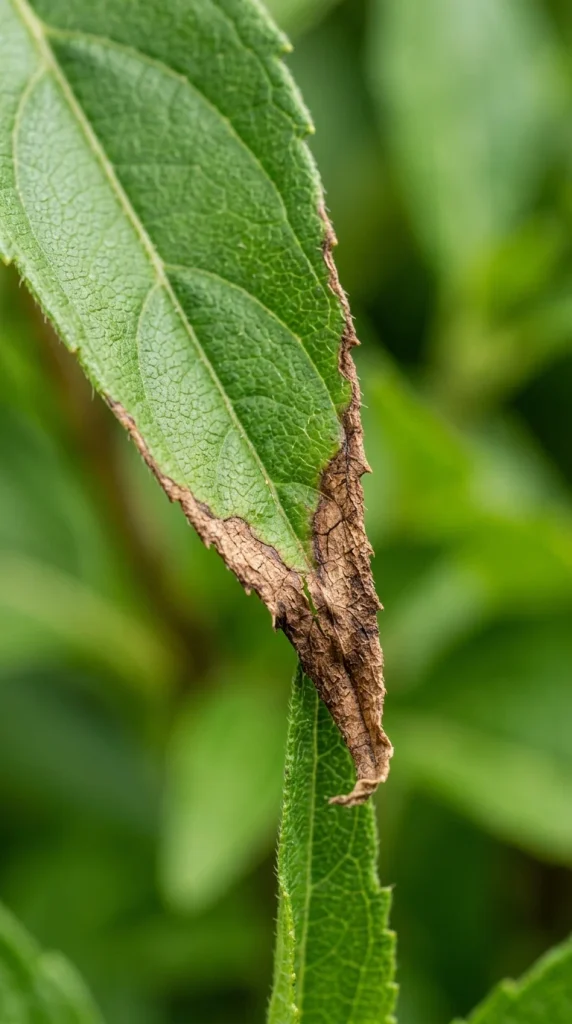
Brown, crispy leaf tips usually indicate low humidity or underwatering. Increase your misting routine or move a humidifier closer to the plant. It can also be a sign of salt buildup from fertilizer; if you suspect this, flush the soil with plenty of plain water to wash away excess minerals.
21. Leaf Splitting
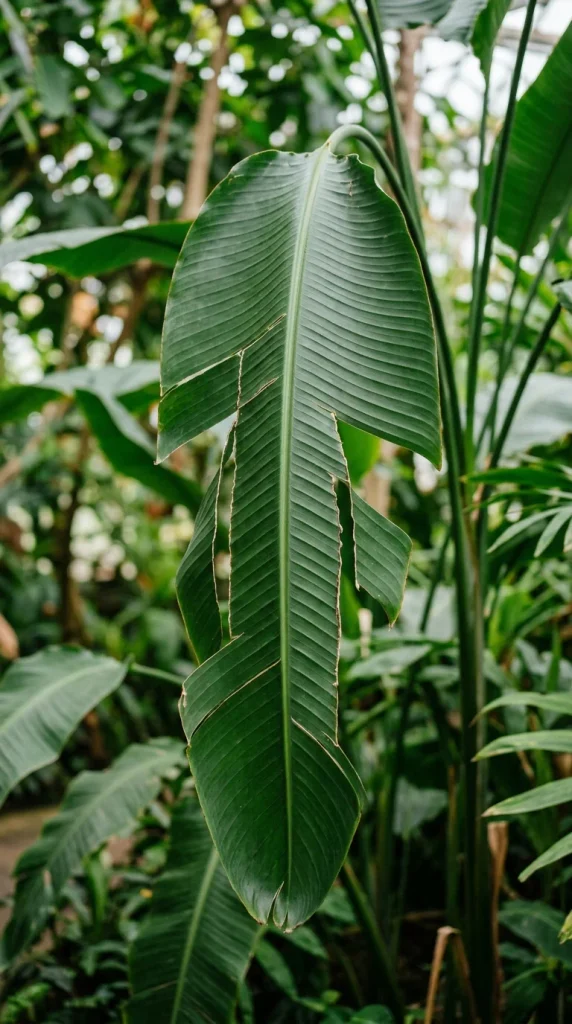
Do not panic! Leaf splitting is completely natural for the Bird of Paradise. In the wild, these splits allow wind to pass through the leaves without catching them like a sail and snapping the stems. Indoors, it is simply a characteristic look of a mature plant and does not indicate poor health.
22. Growth Speed
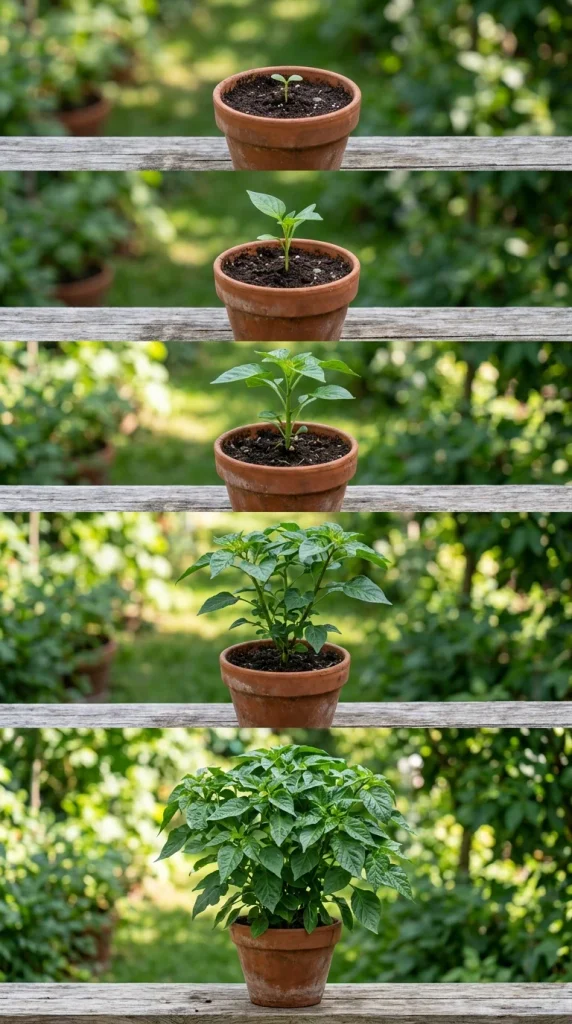
Be patient. While they are relatively fast growers under perfect conditions, they tend to grow in “spurts.” You might see three new leaves emerge in a single month during the summer, followed by several months of no visible activity. This is normal behavior for the species.
23. Support
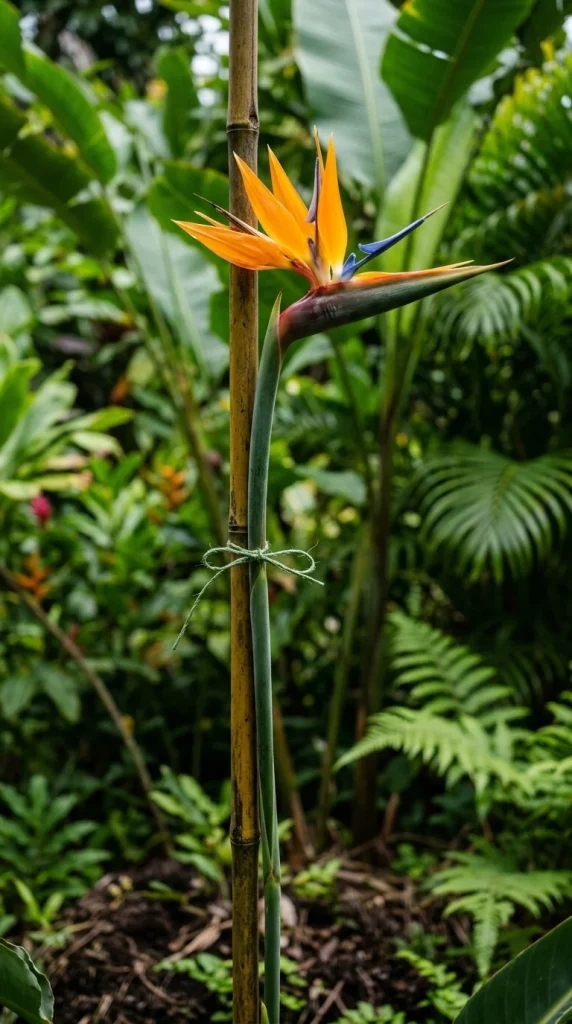
As the plant grows taller, especially the Strelitzia nicolai, the heavy leaves might cause the stems to lean or droop. You can use bamboo stakes or moss poles to provide structural support, helping the plant maintain its upright, majestic posture.
24. Acclimatization
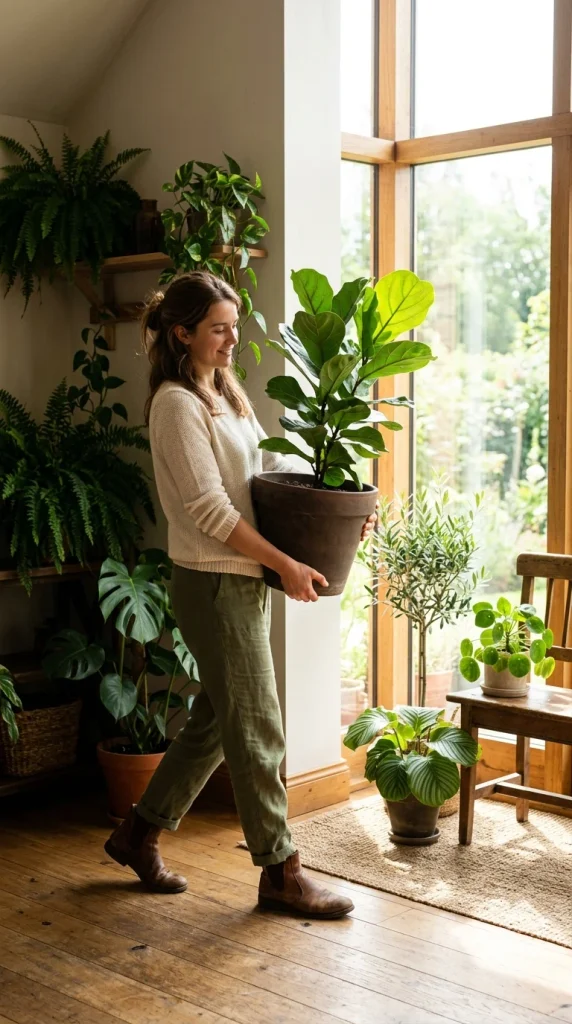
If you bring a new plant home from a nursery or move your plant from a dark corner to a sunny window, do it gradually. Sudden changes in light intensity can cause the leaves to “sunburn.” Move it closer to the light source over the course of a week to let it adjust.
25. Root Health
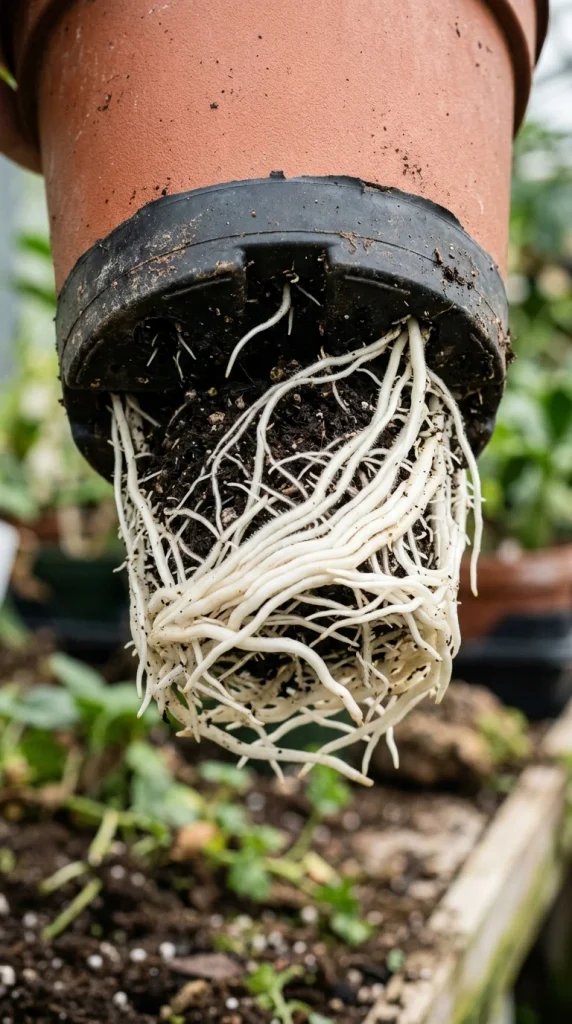
Healthy roots should be firm and white or light tan. If you ever smell a foul, swampy odor coming from the soil, or if the roots appear black and mushy, your plant has root rot. You will need to trim away the rotten parts and repot the plant immediately in fresh soil.
26. Pot Material
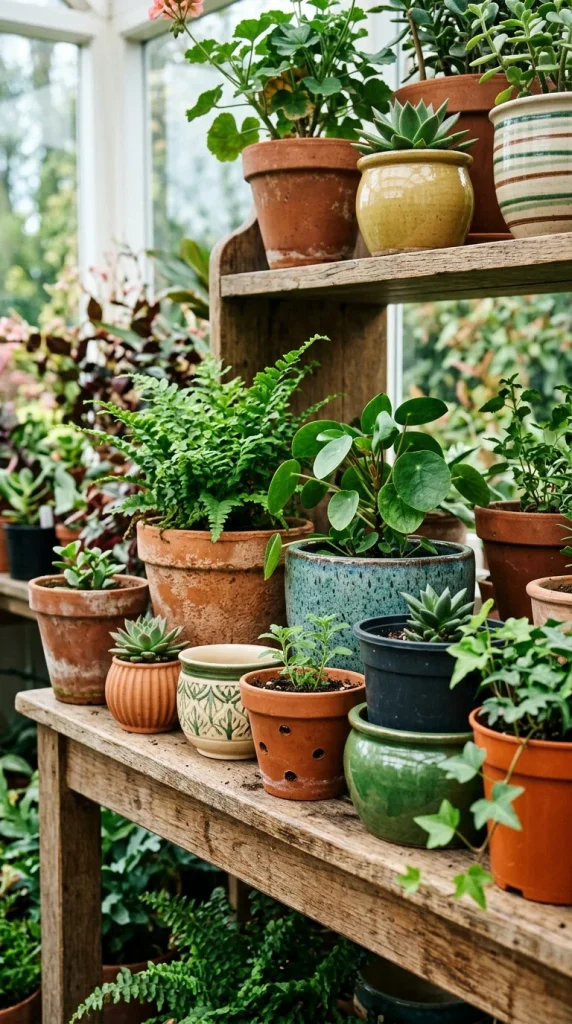
The material of your pot affects how often you need to water. Terracotta is porous and wicks moisture away, meaning you’ll need to water more frequently. Plastic or glazed ceramic pots retain moisture longer. Choose the pot that best fits your watering habits and the environment of your home.