
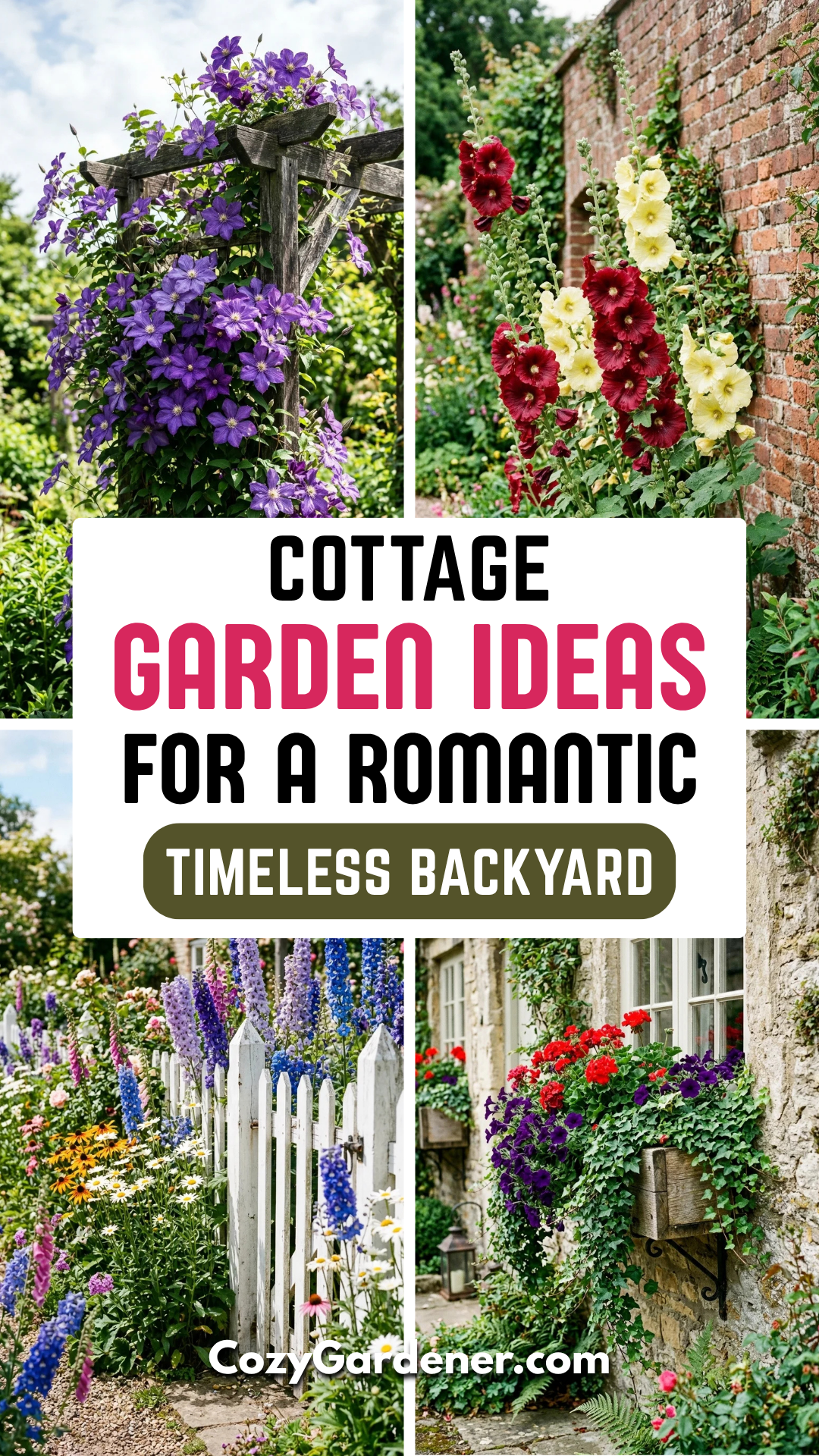
The cottage garden is the epitome of romantic landscaping. Unlike the rigid structure of formal French gardens or the minimalist lines of modern design, a cottage garden thrives on a sense of organized chaos. It is a place where flowers spill over walkways, fragrance fills the air, and every corner holds a hidden surprise. Born from the practical needs of rural laborers who mixed herbs, fruit, and flowers in small plots, the modern cottage garden has evolved into a timeless sanctuary of beauty and biodiversity. If you are looking to transform your backyard into a whimsical retreat, these 27 ideas will guide you through the essential elements of this enchanting style.
1. Climbing Roses
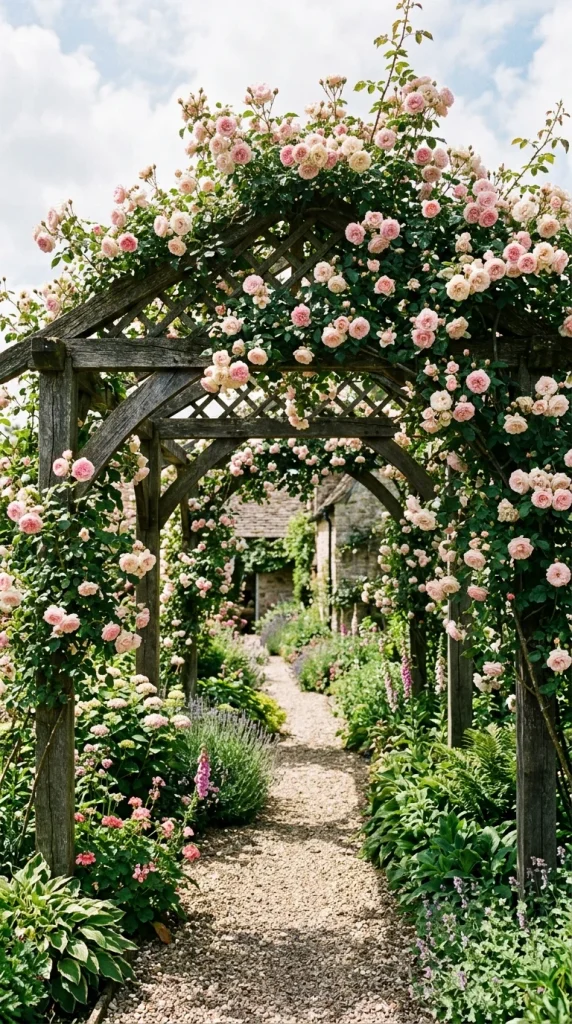
No cottage garden is complete without the queen of flowers. Climbing roses add vertical drama and an intoxicating scent that defines the romantic aesthetic. Whether they are scaled up a brick wall, draped over a doorway, or trained along a fence, they provide a sense of abundance. Choose “repeat-flowering” varieties like David Austin roses to ensure your garden remains awash in color from late spring through the first frost.
2. Stone Paths
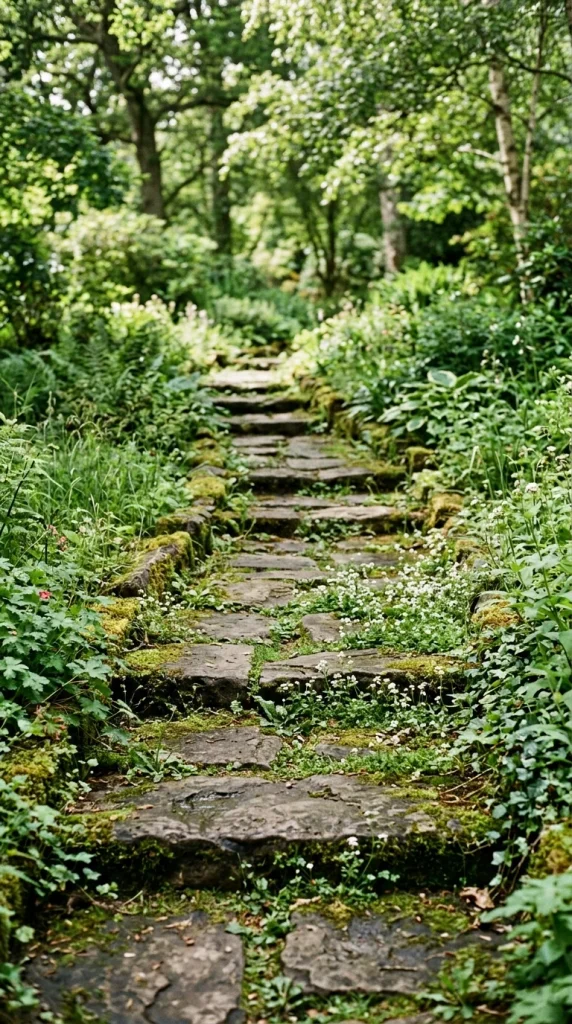
The journey through a cottage garden should never be a straight line. Meandering paths made of natural stone or weathered flagstones encourage a slower pace. By leaving gaps between the stones, you can plant “steppable” ground covers like creeping thyme or Irish moss. This softens the hardscaping and makes the path feel like it has been there for centuries.
3. Picket Fences
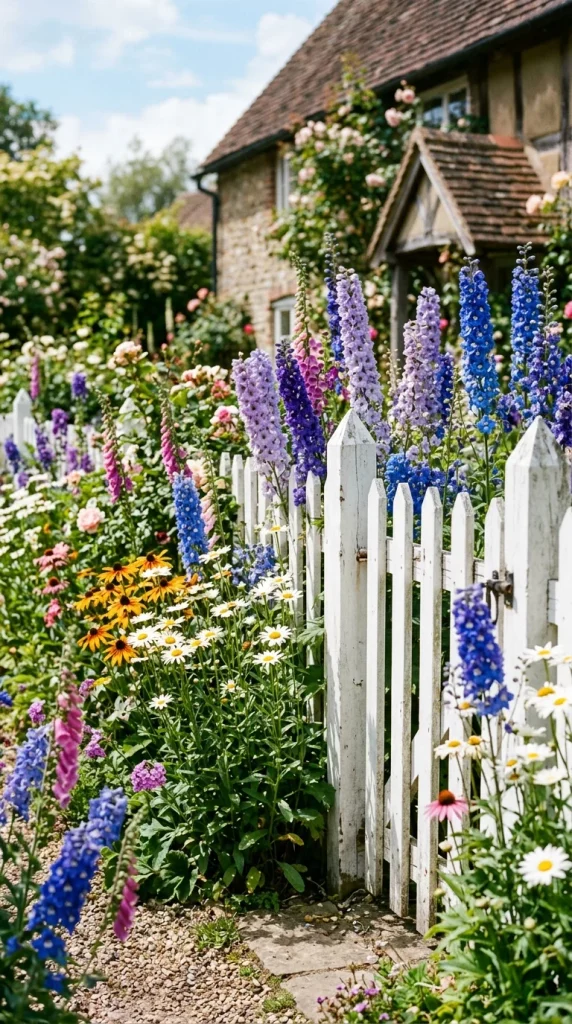
The low picket fence is the quintessential boundary for a cottage-style home. It provides a structural backdrop that helps contain the “floppy” nature of many cottage perennials. Painting the fence white makes the vibrant greens and bright floral hues pop, while leaving it natural or staining it a soft grey lends a more weathered, rustic appeal.
4. Foxgloves
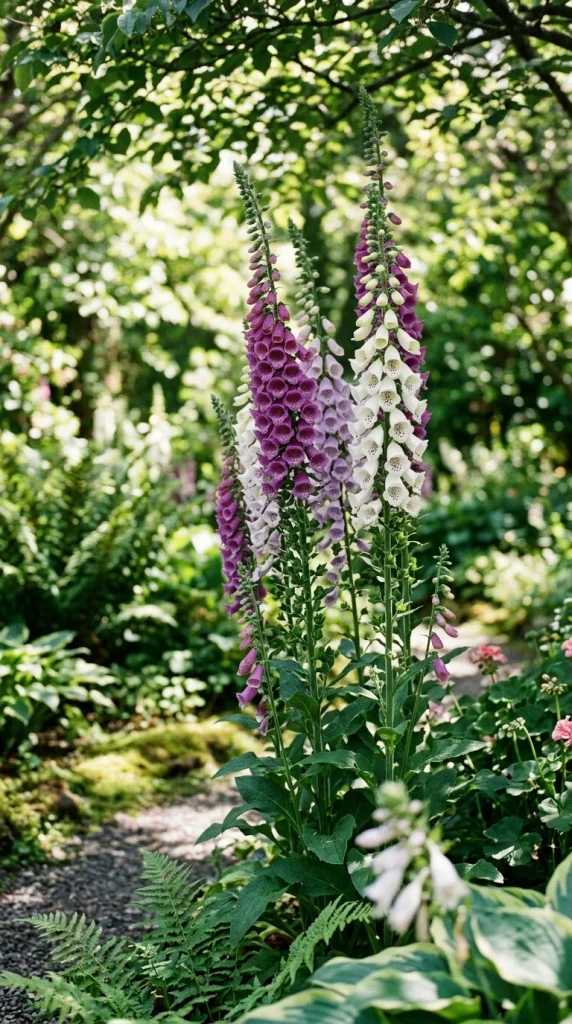
To achieve the “layered” look of a traditional cottage garden, you need height. Foxgloves (Digitalis) are the perfect vertical accent. Their tall spires of bell-shaped blooms add a sense of grandeur and rhythm to the back of a border. They are biennials, meaning they bloom in their second year, but they readily self-seed, ensuring a fresh crop of flowers year after year.
5. Rustic Benches
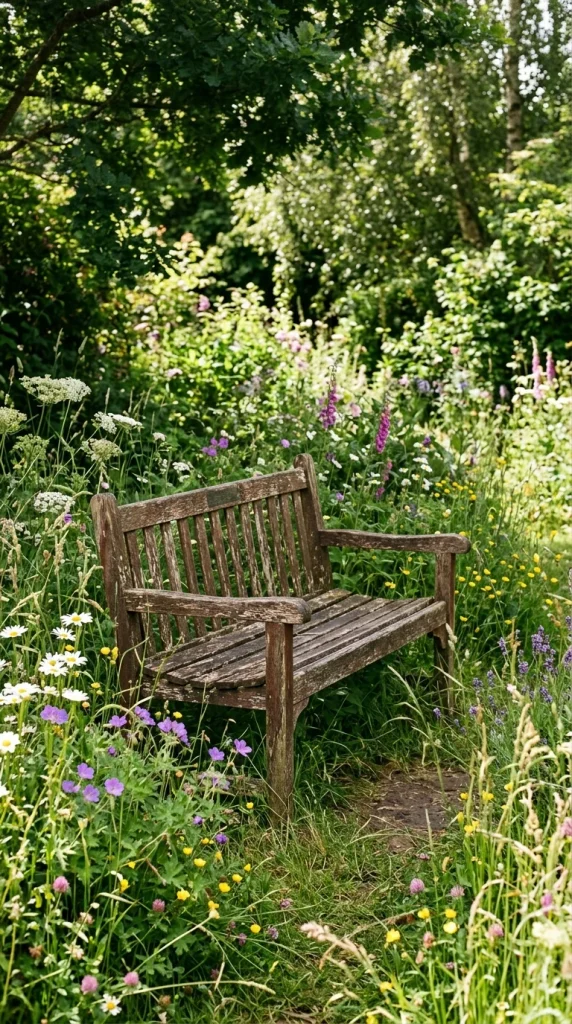
A cottage garden is meant to be lived in, not just looked at. Placing a rustic bench—whether made of wrought iron, teak, or reclaimed wood—offers a destination within the landscape. Tucking the seating into a secluded nook surrounded by tall plants creates a “secret garden” atmosphere, perfect for morning coffee or afternoon reading.
6. Garden Arches
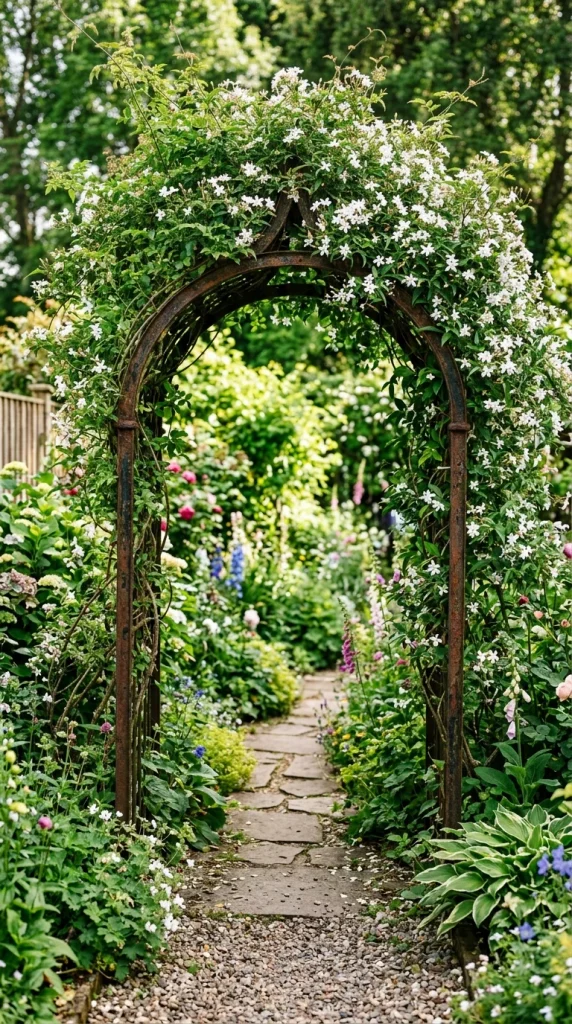
Arches act as gateways between different “rooms” of your garden. They provide essential support for heavy climbers like wisteria or jasmine. An archway at the entrance of a path creates an immediate sense of transition, signaling that you are moving from the ordinary world into a floral paradise.
7. Lavender Borders
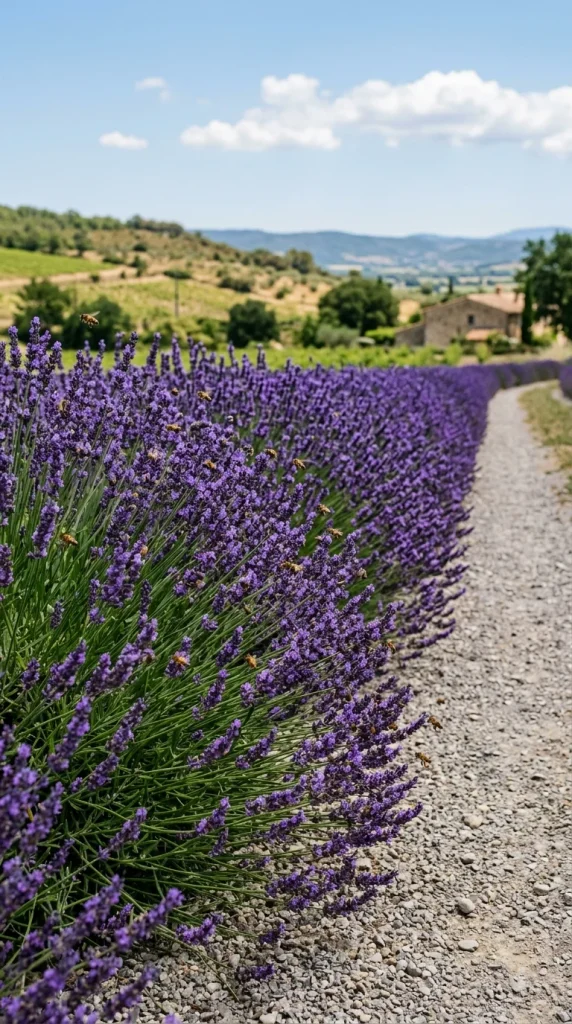
Cottage gardens are a sensory experience, and scent is a vital component. Lining your primary walkways with lavender ensures that every time you brush past, a wave of calming fragrance is released. Lavender also provides a silvery-blue foliage that looks beautiful even when the flowers aren’t in bloom, and it is a magnet for pollinators.
8. Birdbaths
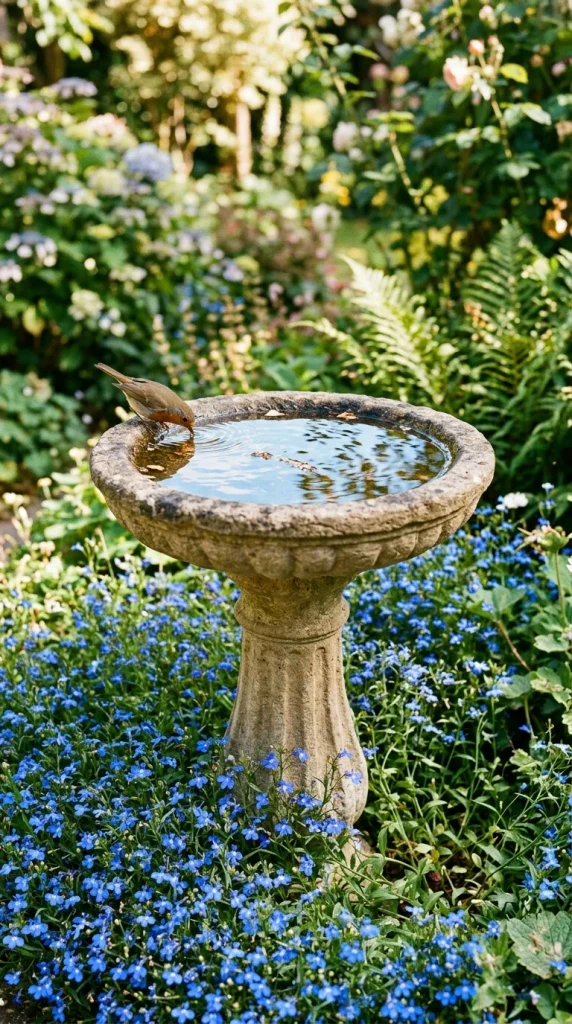
Water is a magnet for wildlife and adds a peaceful focal point. A weathered stone birdbath fits the cottage aesthetic perfectly. It serves as a visual anchor among the riot of colors and provides a much-needed drinking station for birds and butterflies, further increasing the garden’s life and movement.
9. Hollyhocks
Hollyhocks are the skyscrapers of the cottage garden. These old-fashioned favorites can grow up to eight feet tall, making them ideal for planting against a wall or fence. Their large, saucer-shaped flowers come in a variety of colors, from pale pastels to moody, near-black maroons.
10. Wildflower Meadows
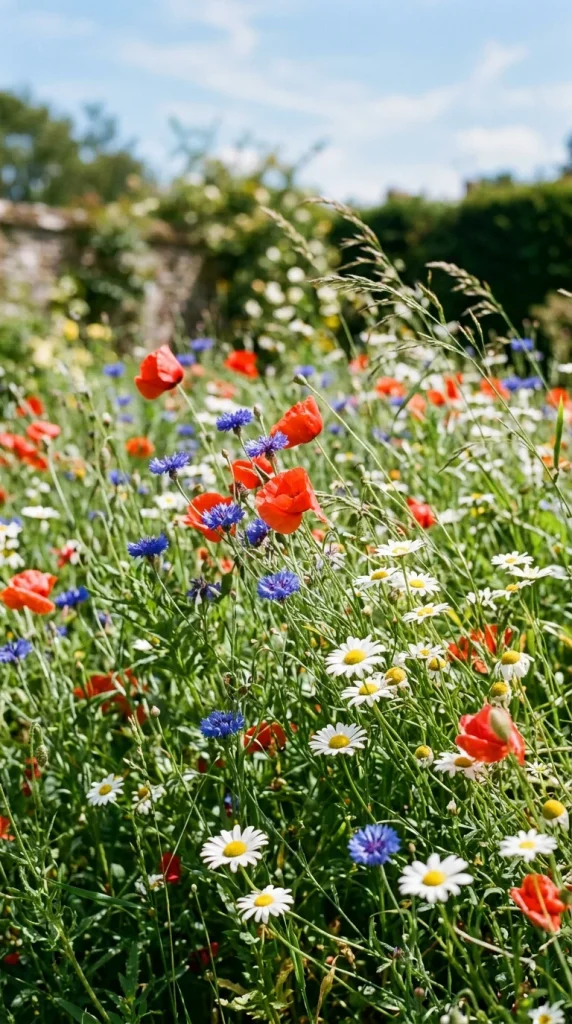
For a truly romantic and low-maintenance approach, dedicate a section of your backyard to a wildflower mix. This mimics the informal beauty of a meadow and requires very little intervention. Poppies, cornflowers, and Queen Anne’s Lace create a tapestry of color that shifts with the seasons and supports local biodiversity.
11. Antique Tools
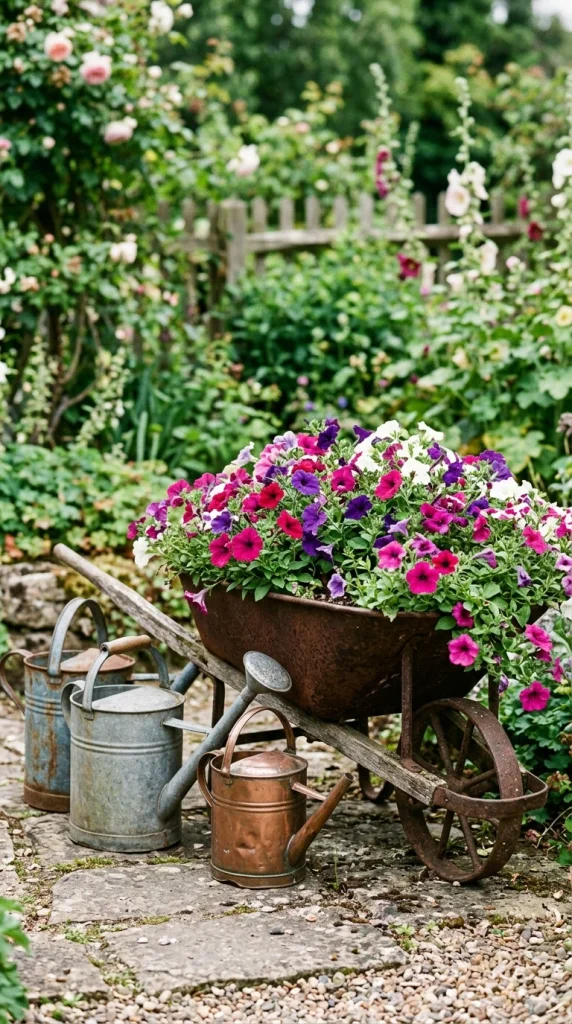
The “lived-in” charm of a cottage garden comes from the inclusion of personal and historical touches. Instead of hiding your tools, use vintage items as decor. An old galvanized watering can or a wooden wheelbarrow overflowing with annuals adds a sense of nostalgia and tells a story of generations of gardeners.
12. Water Features
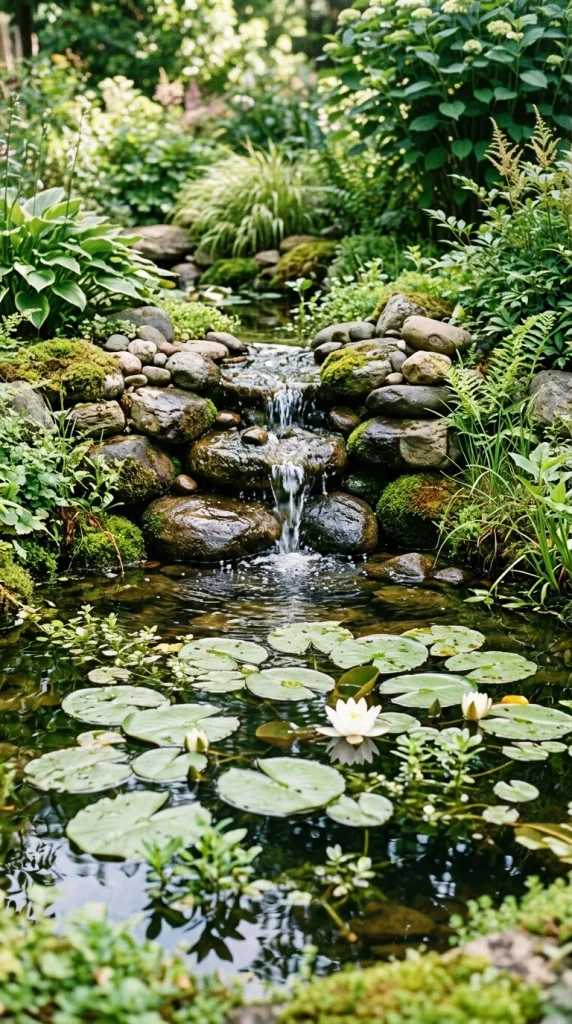
While large, modern fountains might feel out of place, a small, naturalistic pond or a simple stone “bubbler” fits right in. The sound of trickling water adds to the tranquility of the space. Surround the water feature with moisture-loving plants like ferns and hostas to integrate it seamlessly into the landscape.
13. Layered Planting
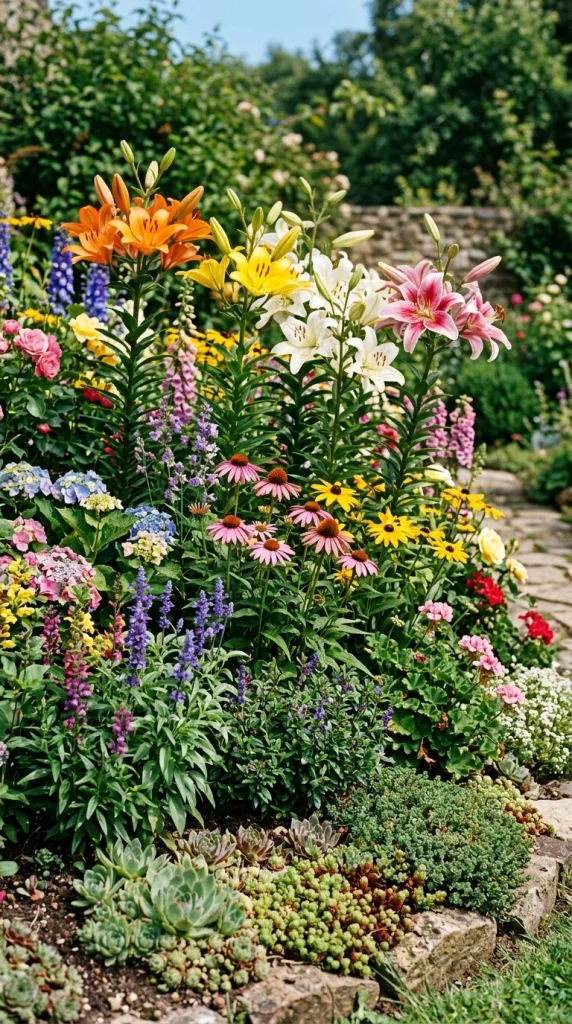
The secret to the cottage garden’s lush look is density. There should be very little bare soil visible. This is achieved through layering: ground covers at the front, mid-sized perennials in the middle, and tall shrubs or climbers at the back. This “crowded” look actually helps suppress weeds and retains soil moisture.
14. Window Boxes
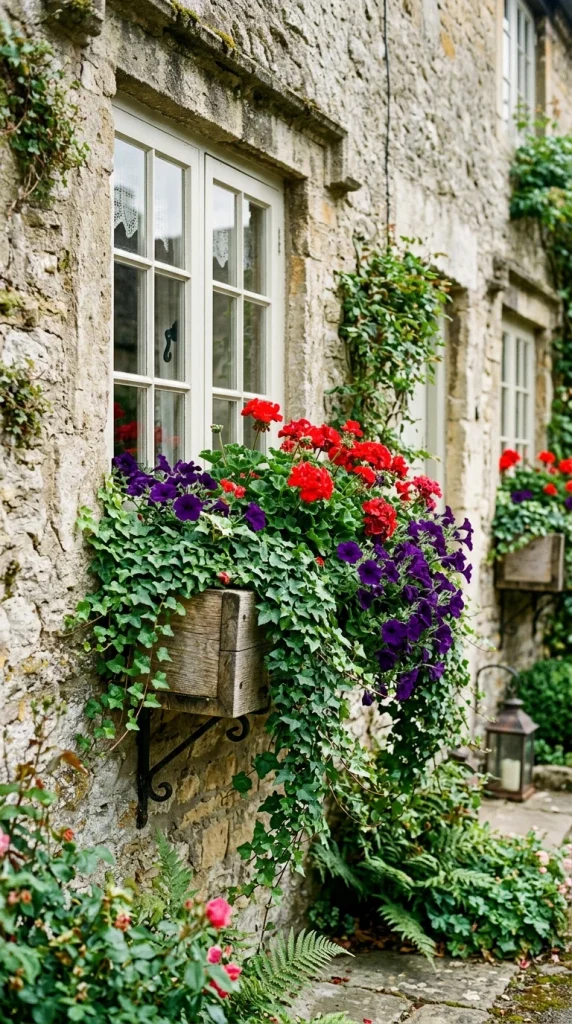
If your backyard space is limited, extend your garden vertically with window boxes. These allow you to bring the floral beauty right up to the house. Choose a mix of “thrillers” (tall plants), “fillers” (mounding plants), and “spillers” (trailing vines) to create a professional, overflowing look.
15. Herb Patches
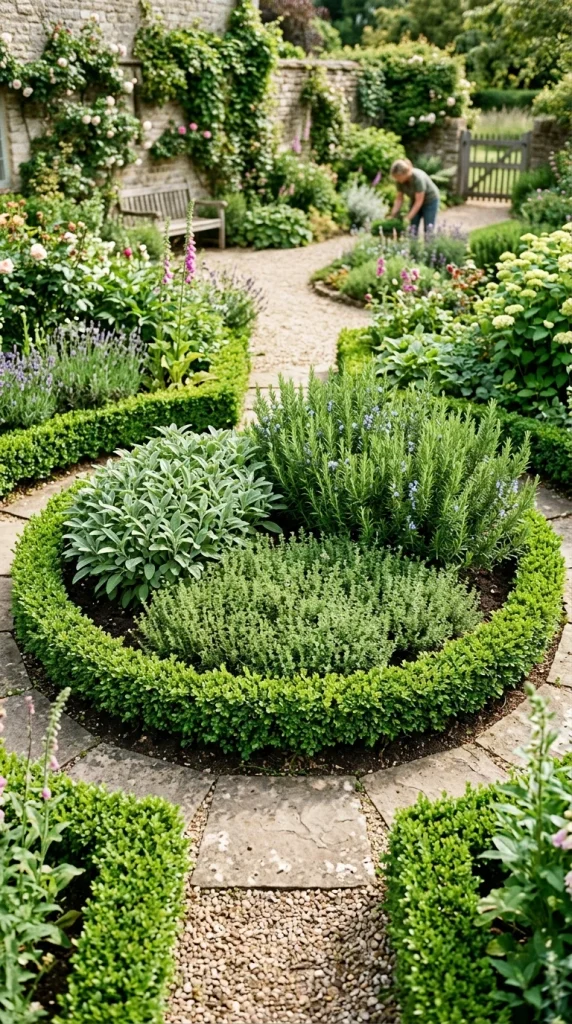
Historically, cottage gardens were functional. Integrating herbs like rosemary, sage, and mint directly into your flower beds honors this tradition. Herbs are often drought-tolerant and provide interesting textures and scents that complement flowering perennials.
16. Gravel Paths
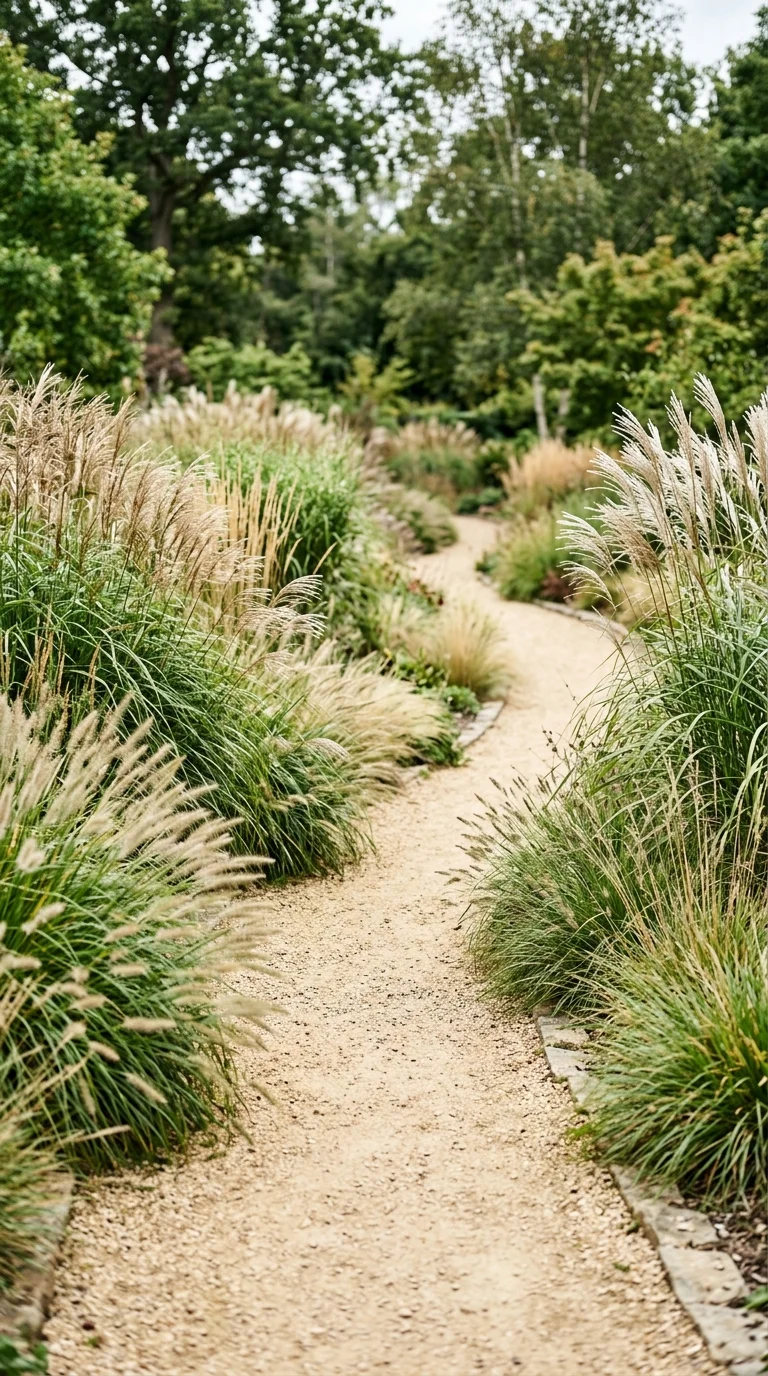
Gravel is an excellent alternative to stone for cottage garden paths. It is permeable, easy to install, and provides a satisfying “crunch” underfoot. The informal texture of gravel allows the garden to feel more relaxed and less structured than paved surfaces.
17. Weathered Gates
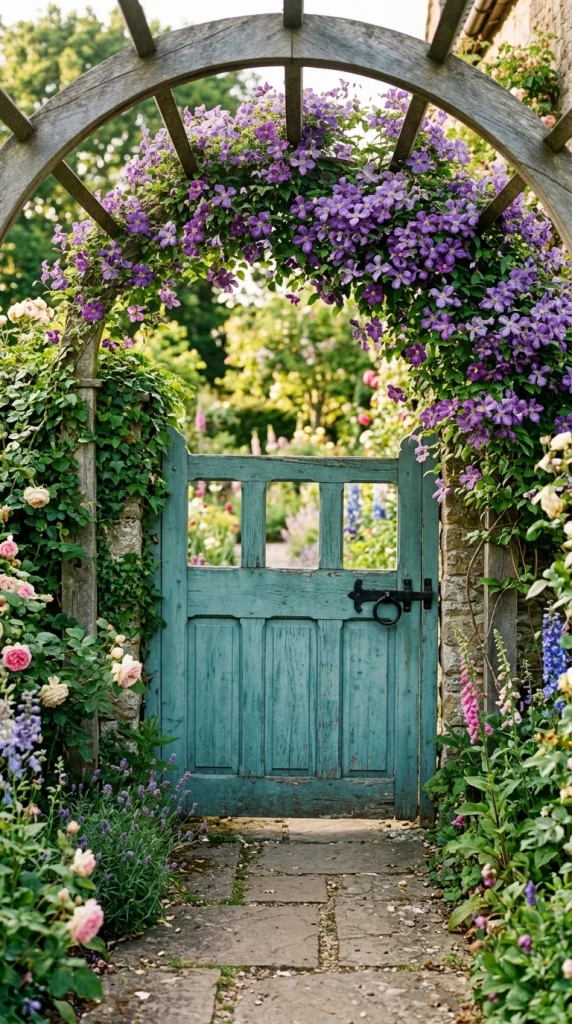
The entrance to your garden sets the tone for everything inside. A weathered wooden gate, perhaps with a bit of peeling paint or an antique iron latch, adds instant character. It suggests a boundary between the busy outside world and your personal sanctuary.
18. Sundials
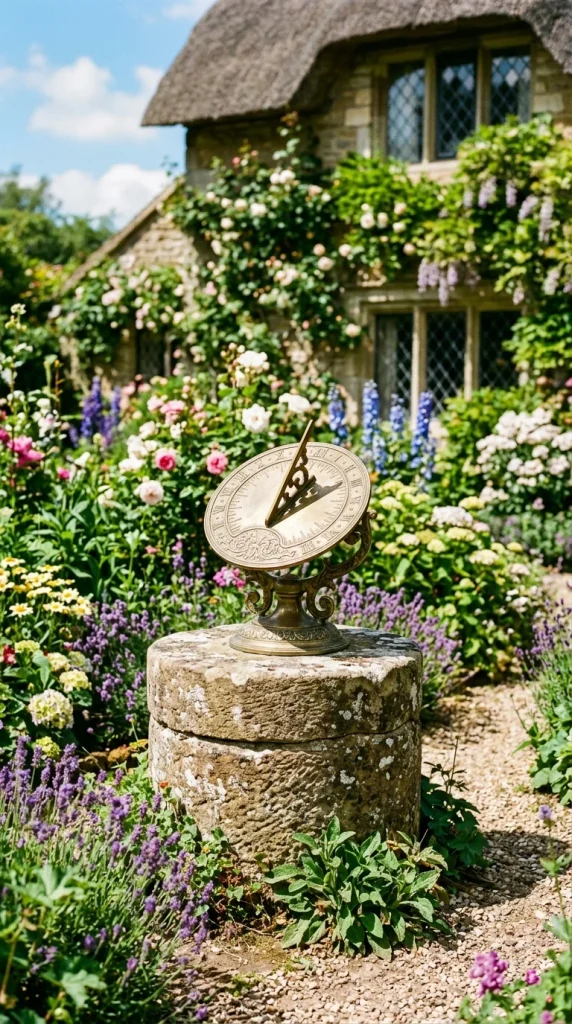
A sundial is a classic garden ornament that evokes a sense of timelessness. Placed at the intersection of two paths or in the center of a circular bed, it serves as a sophisticated focal point that doesn’t distract from the surrounding plant life.
19. Willow Edging
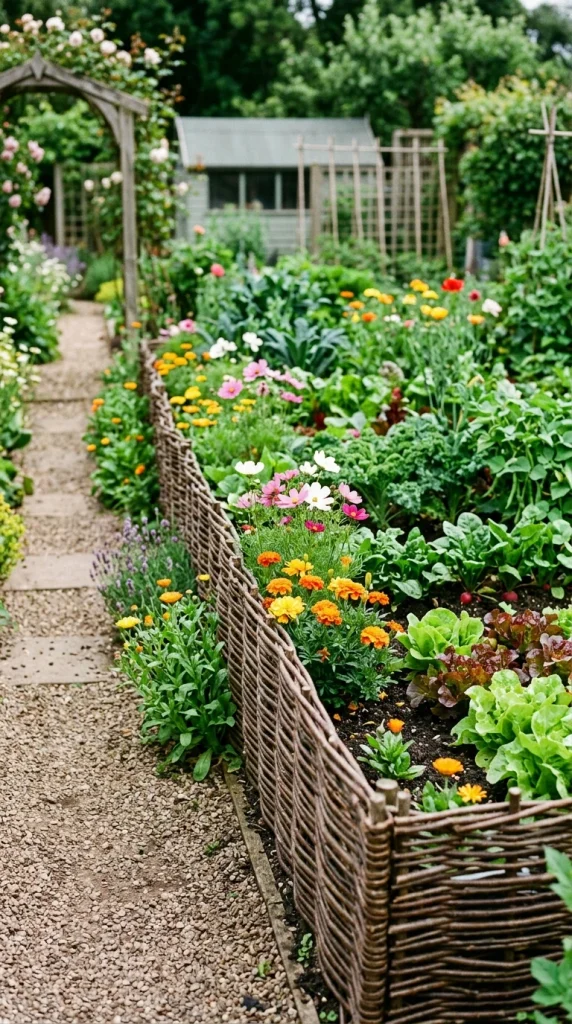
Avoid plastic or metal edging in a cottage garden. Instead, use natural materials like woven willow (wattle). This traditional method of edging adds a rustic, handmade feel and is perfect for keeping mulch in place while defining the boundaries of your beds.
20. Sweet Peas
Sweet peas are prized for their delicate, butterfly-like petals and their incredible fragrance. They are quintessential cottage garden annuals. Growing them on simple bamboo teepees or “wigwams” adds height to the garden and provides plenty of cut flowers for indoor bouquets.
21. Topiary
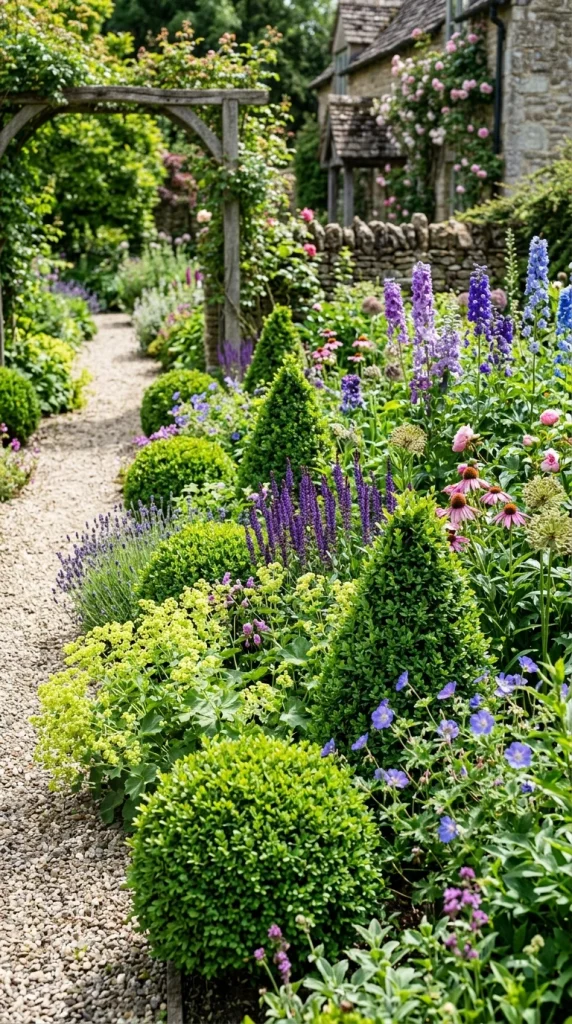
While cottage gardens are known for being wild, a few pieces of informal topiary—like boxwood balls or cones—provide much-needed structure, especially during the winter months when most perennials have died back. These “green anchors” prevent the garden from looking messy during the off-season.
22. Bee Hotels
A healthy garden is a living ecosystem. Bee hotels (or insect hotels) provide nesting sites for solitary bees, which are vital for pollination. These structures can be very decorative, fitting right into the rustic aesthetic while serving an important ecological purpose.
23. Brick Edging
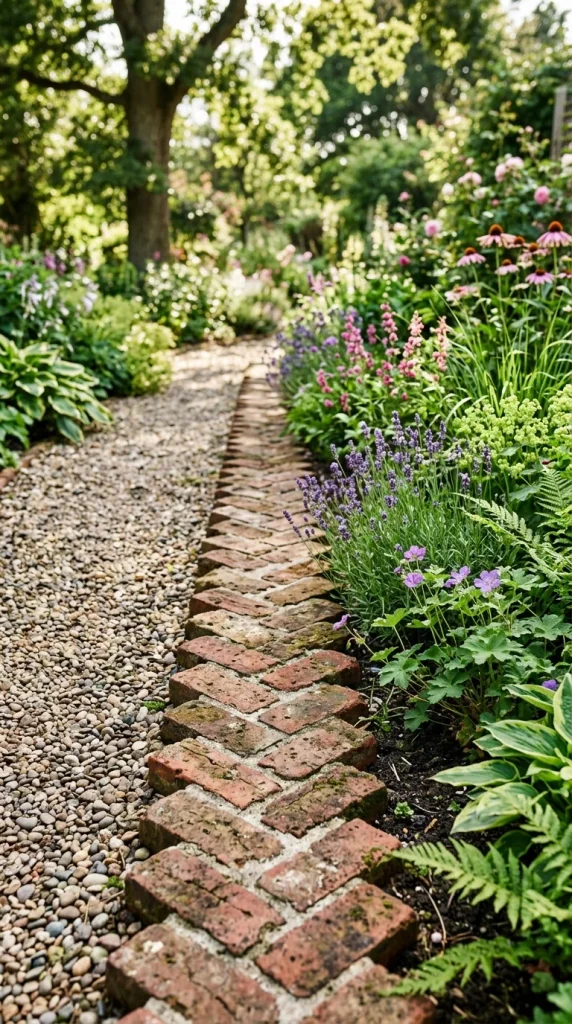
Using reclaimed bricks for edging or small patio areas adds warmth and history. Bricks can be laid in a variety of patterns, such as herringbone or sawtooth, to add subtle visual interest to the ground level without competing with the colorful blooms above.
24. Terracotta Pots
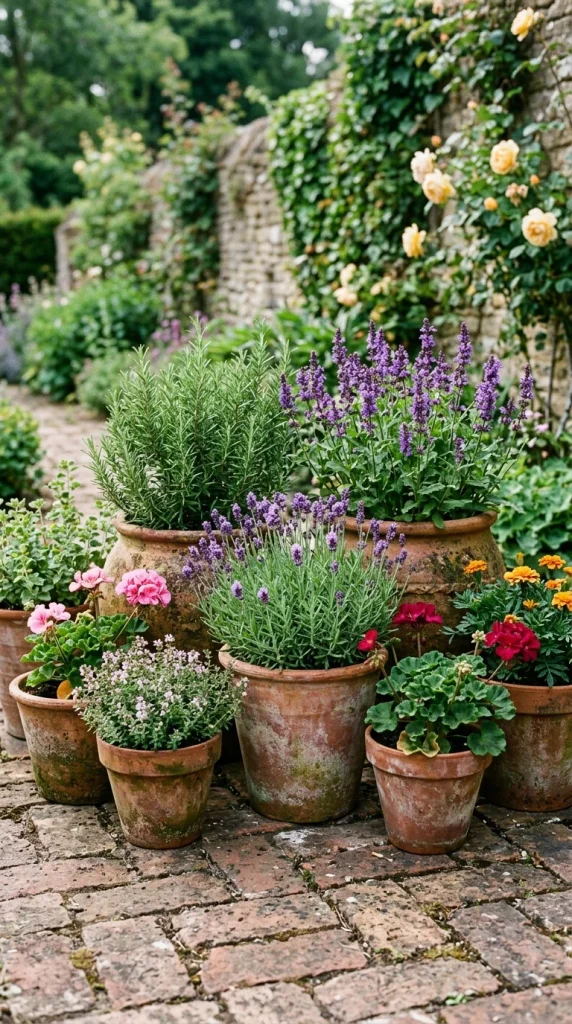
Grouping terracotta pots of varying sizes is a great way to add color to patios or doorsteps. The orange-red hue of the clay complements almost any flower color, and as the pots age, they develop a beautiful patina or “mossy” look that enhances the cottage feel.
25. Shaded Nooks
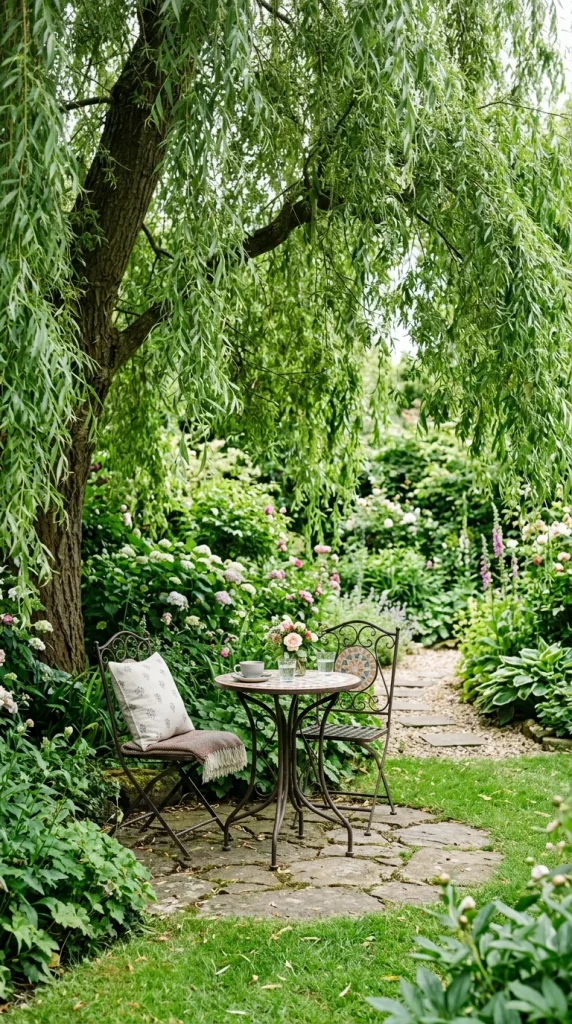
Every romantic garden needs a place to hide away. If you have a large tree, utilize the space beneath its canopy. A simple bistro set or even a hammock creates a cool, shaded retreat during the height of summer, surrounded by shade-loving plants like bleeding hearts and ferns.
26. Fruit Trees
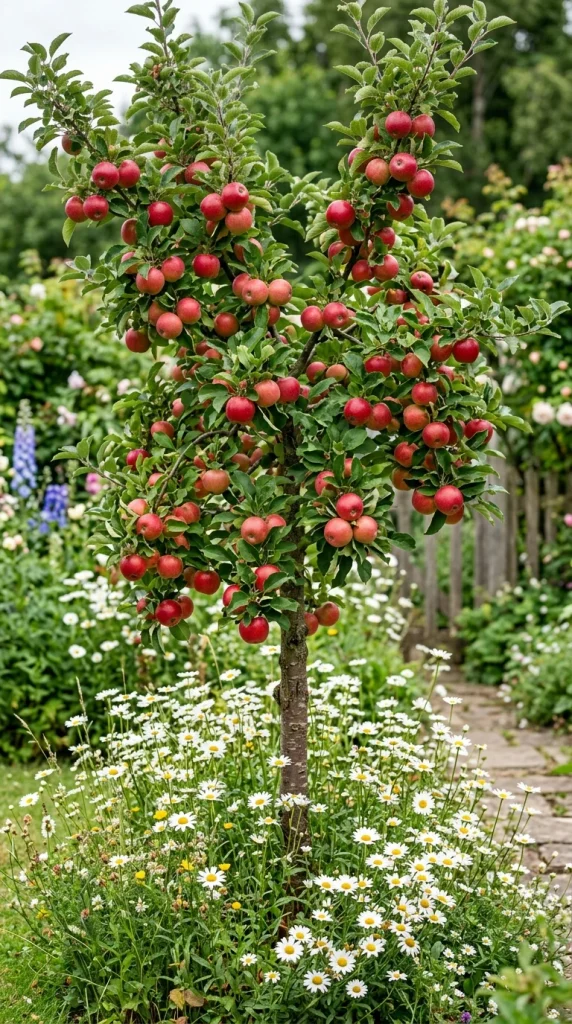
Incorporate beauty and utility by planting a dwarf fruit tree. An apple or pear tree provides beautiful blossoms in the spring and edible fruit in the autumn. Under-planting the tree with bulbs or wildflowers ensures it looks integrated into the larger garden design.
27. Clematis
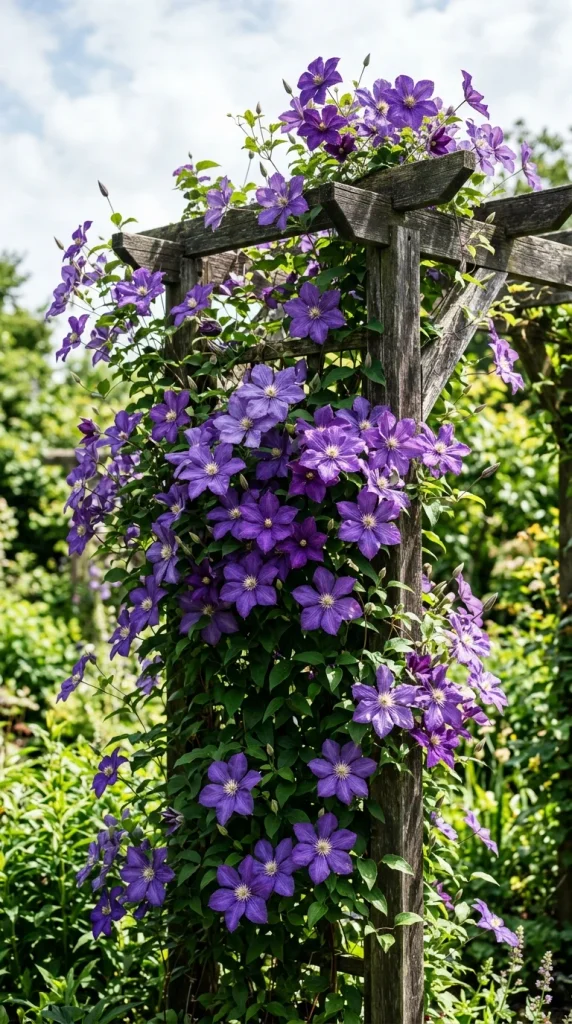
If roses are the queen, clematis is the king of climbers. With varieties that bloom in spring, summer, and even autumn, clematis can provide vertical color all year long. They are particularly effective when grown alongside climbing roses, as the two plants can intertwine to create a stunning tapestry of contrasting colors and shapes.