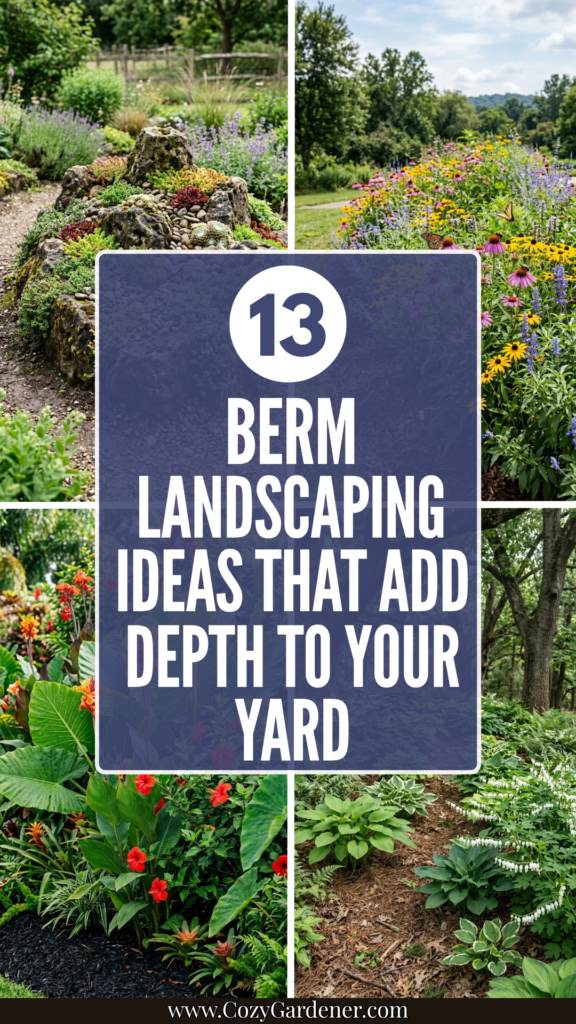
A flat yard can often feel one-dimensional and uninspiring. If your outdoor space lacks character, creating a berm—a rounded mound of soil designed to add height and interest—is one of the most effective ways to transform the landscape. Berms serve both aesthetic and functional purposes: they can improve drainage, create natural privacy screens, and provide a stage for your favorite plants to shine.
By introducing elevation, you break up the monotony of a level lawn and create “rooms” or focal points that draw the eye. Whether you are looking for a rugged rock garden or a soft, floral escape, these thirteen berm landscaping ideas will help you add significant depth and value to your property.
1. Rock Gardens
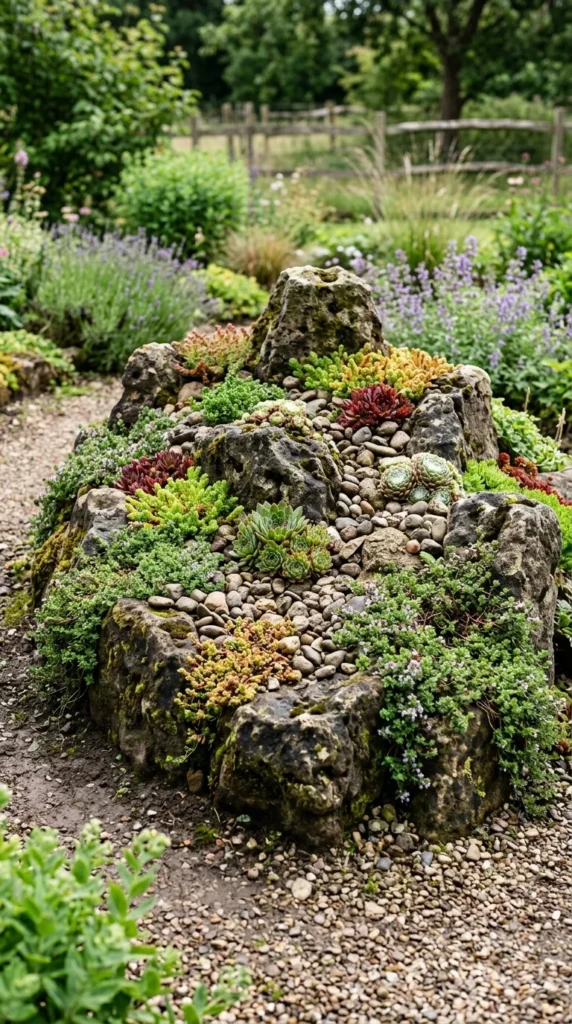
Rock gardens are perhaps the most popular use for a landscape berm. By integrating large boulders and smaller stones into the mound, you create a rugged, naturalistic look that mimics a mountain slope. The key to a successful rock garden berm is “planting” the rocks; burying at least one-third of each boulder makes them look as though they have been there for centuries rather than just dropped on top of the soil.
- Best Plants: Succulents, creeping phlox, and dwarf conifers.
- Visual Impact: Adds texture and structural permanence to the yard.
- Maintenance: Low, as rocks require no watering and suppress weed growth when combined with landscape fabric.
2. Evergreen Privacy
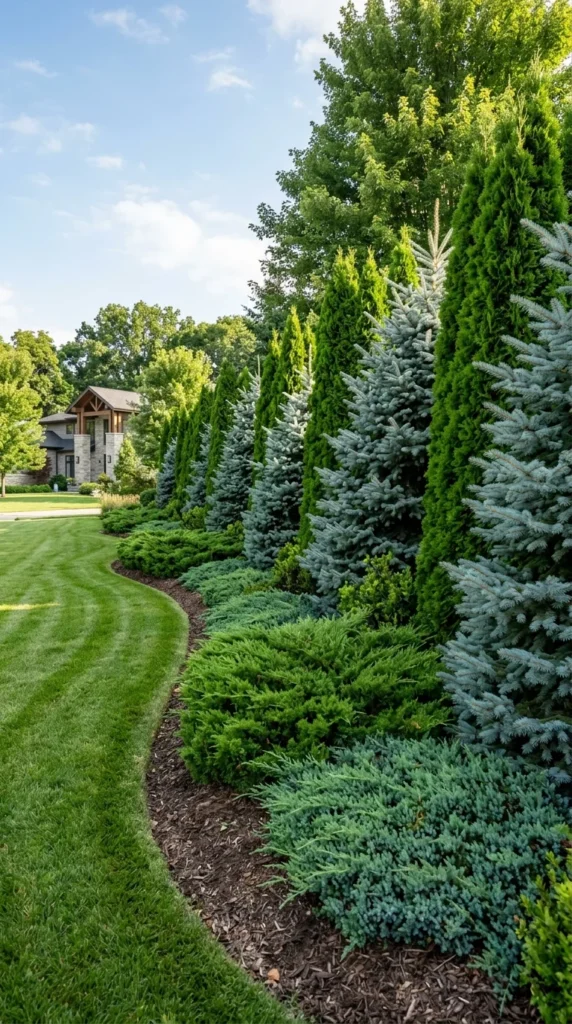
If you want to block the view of a neighbor’s house or a busy street without installing a wooden fence, an evergreen berm is the perfect solution. The added height of the mound gives your trees a “head start,” meaning you don’t have to wait years for them to grow tall enough to provide cover. Mixing different species of evergreens ensures that the screen remains visually interesting throughout the winter.
- Layering: Place taller trees at the peak and shorter shrubs on the slopes.
- Sound Buffering: The density of the soil and foliage helps absorb street noise.
- Year-Round Color: Provides a lush green backdrop even in the dead of winter.
3. Native Perennials
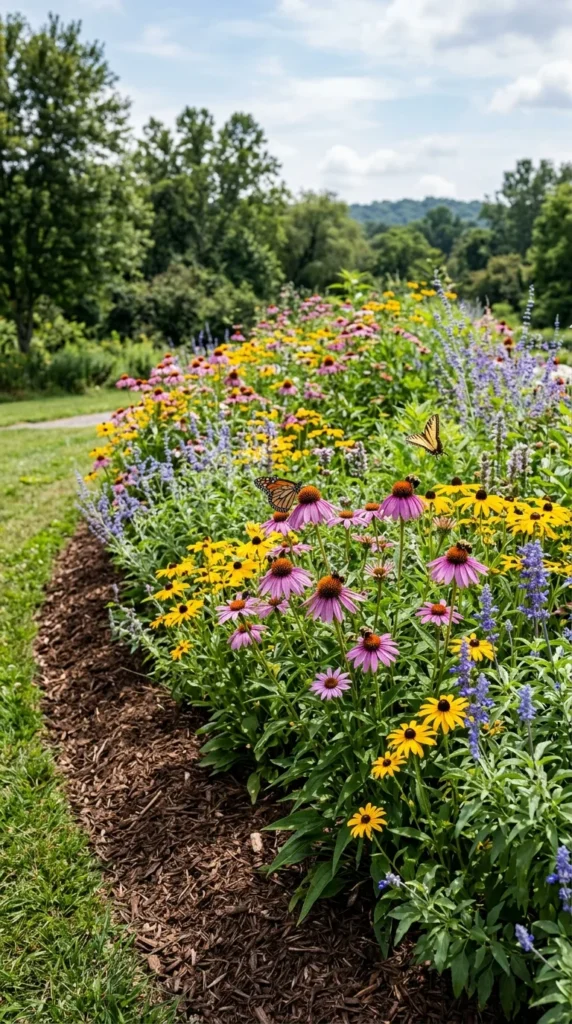
Creating a berm dedicated to native perennials is an excellent way to support local pollinators while keeping maintenance to a minimum. Native plants are adapted to your specific climate and soil, meaning they require less water and fertilizer once established. A berm provides the excellent drainage that many wildflowers crave, preventing “root rot” during rainy seasons.
- Eco-Friendly: Attracts birds, bees, and butterflies.
- Seasonal Interest: Choose plants with staggered bloom times for color from spring through autumn.
- Soil Health: Native roots help stabilize the berm and prevent erosion.
4. Water Features
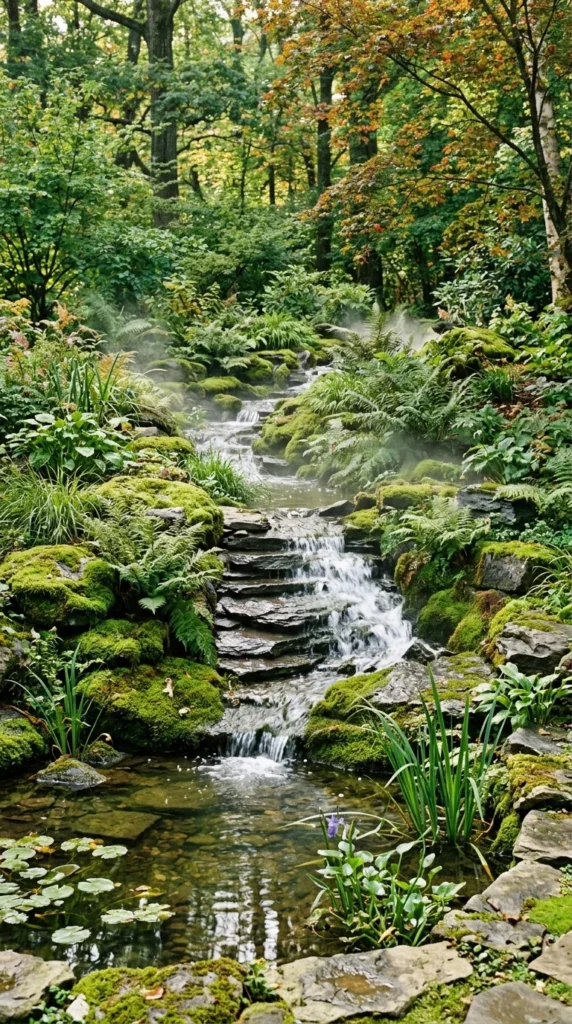
A berm provides the perfect natural slope for a backyard waterfall or stream. Instead of a flat pond that might look out of place, a “disappearing” waterfall built into the side of a mound looks organic and intentional. The elevation allows the water to tumble over rocks, creating the soothing sound of a mountain brook right in your backyard.
- Focal Point: Immediately becomes the centerpiece of the landscape.
- Wildlife: Provides a drinking and bathing spot for local birds.
- Sound Masking: The white noise of falling water helps drown out city sounds.
5. Ornamental Grasses
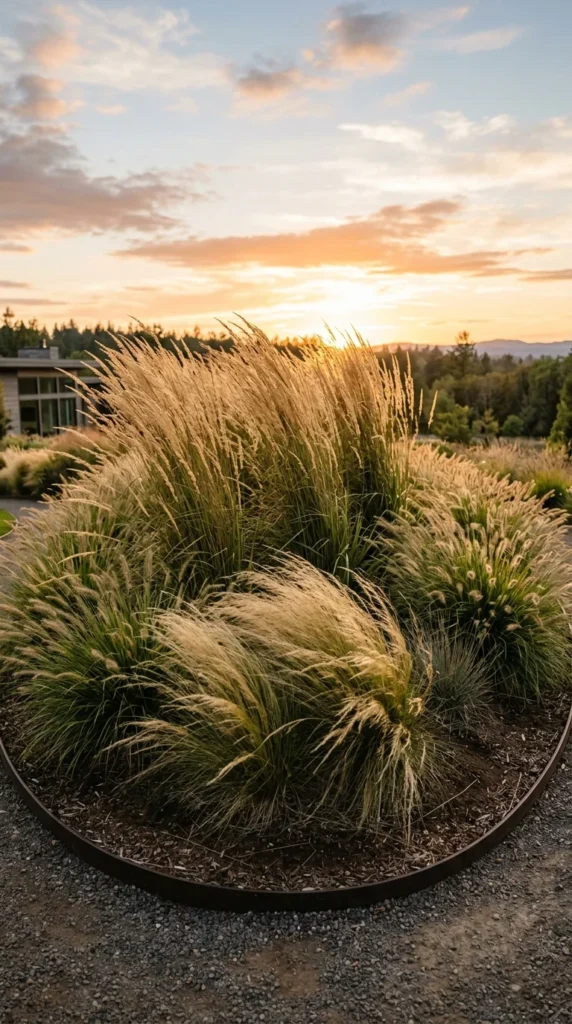
For a look that emphasizes movement and texture, ornamental grasses are unbeatable. When planted on a berm, these grasses catch the breeze more easily, creating a rhythmic swaying motion that adds a sense of life to the yard. They are particularly effective in modern or minimalist landscapes where clean lines and simple palettes are preferred.
- Texture: Offers a soft contrast to hardscapes like patios or stone walls.
- Winter Interest: Many grasses maintain their shape and golden hue throughout the winter.
- Low Water: Most ornamental grasses are highly drought-tolerant once established.
6. Retaining Walls
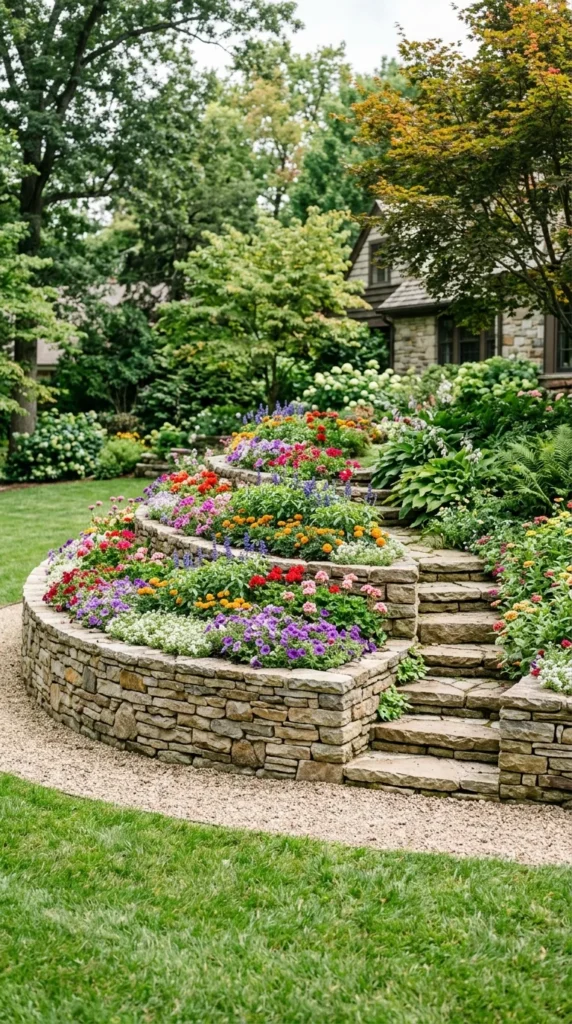
Sometimes a berm needs a little extra structural support, especially if the slope is steep. Integrating a low retaining wall into the design allows you to create tiered levels, which can be treated like individual planter boxes. This “stair-step” effect adds formal architectural interest and prevents soil from washing away during heavy rains.
- Materials: Use timber, concrete blocks, or natural stone to match your home’s exterior.
- Seating: A well-built stone wall can also serve as extra seating for guests.
- Drainage Control: Ideal for yards with significant runoff issues.
7. Flower Clusters
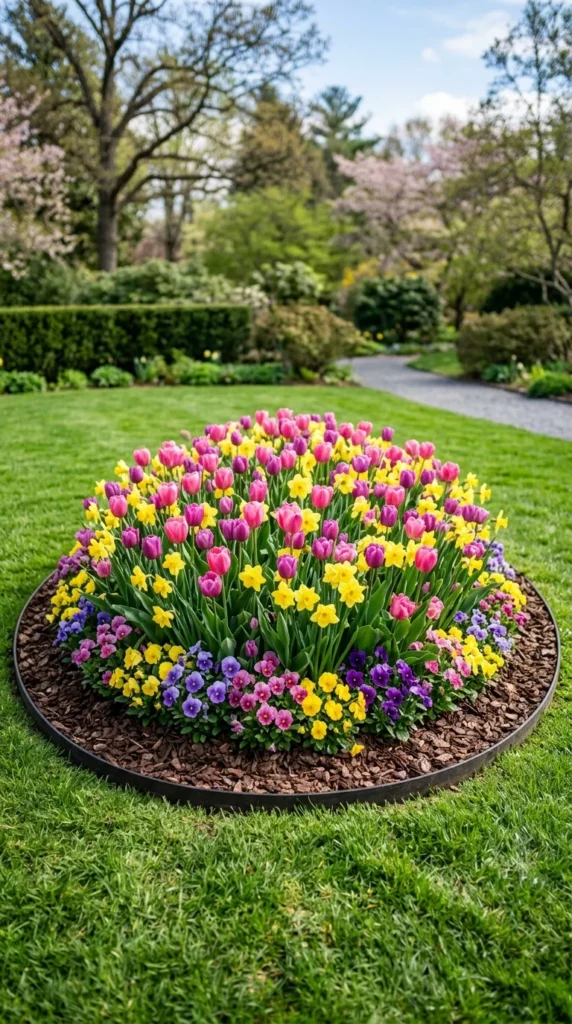
If you have a large, flat expanse of grass, a small “island” berm can break up the space beautifully. By clustering flowers together on a mound, you create a concentrated burst of color that is much more impactful than a flat garden bed. This is an excellent way to highlight seasonal favorites like spring bulbs or summer annuals.
- Visibility: Elevating the flowers makes them more visible from the house.
- Edge Definition: Use a crisp “V-cut” edge or plastic edging to keep grass from creeping in.
- Seasonal Rotation: Easy to swap out plants as the seasons change.
8. Woodland Textures
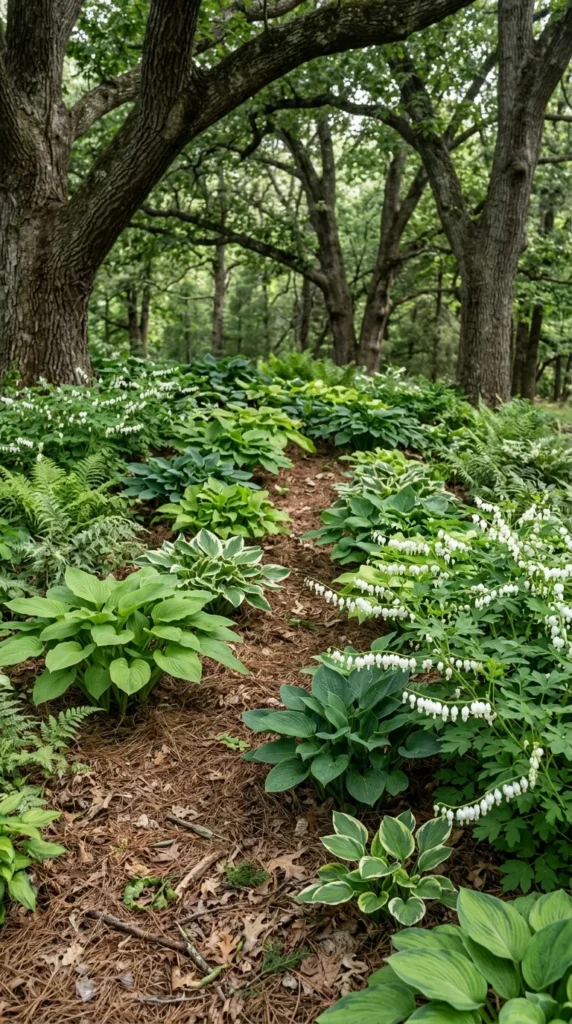
Not all berms need to be in the sun. A shaded berm under a canopy of trees can be transformed into a woodland retreat. Using shade-loving plants with varying textures—like the broad leaves of hostas contrasted with the lacy fronds of ferns—creates a lush, cool atmosphere. This is a great way to deal with areas where grass struggles to grow due to lack of light.
- Cooling Effect: Shaded berms feel significantly cooler during hot summer months.
- Low Impact: Uses natural leaf litter as mulch, reducing the need for store-bought products.
- Depth: Creates a “secret garden” feel at the edge of the property.
9. Modern Minimalism
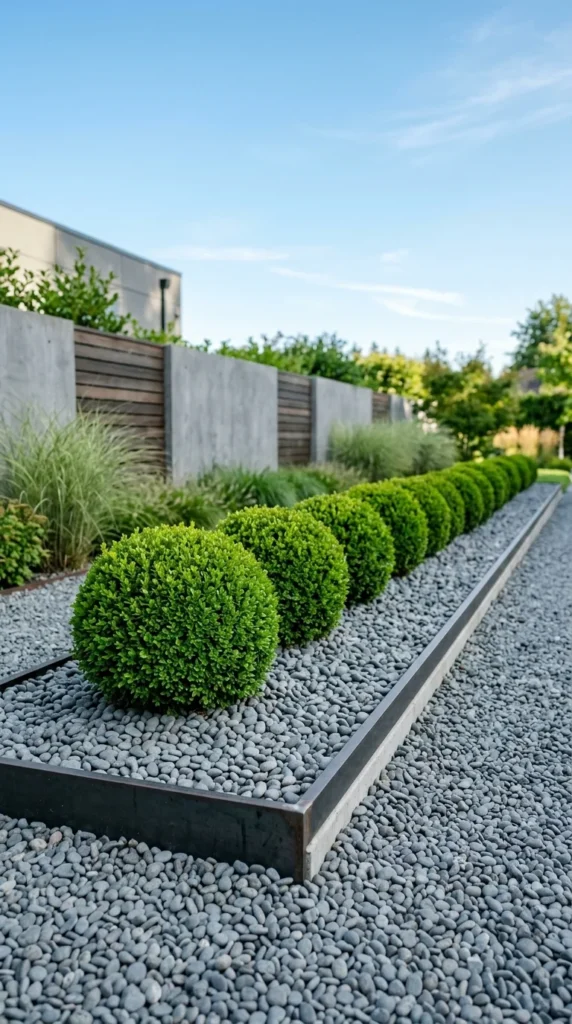
For contemporary homes, a berm can be used to reinforce a minimalist aesthetic. Instead of a wild variety of plants, choose one or two species and plant them in a repetitive, structured pattern. The clean lines of the mound combined with monochromatic mulch or gravel create a sophisticated, high-end look that requires very little “tinkering.”
- Symmetry: Focus on balance and geometric shapes.
- Clean Lines: Use metal edging for a sharp, defined border.
- Hardscape Harmony: Complements modern materials like steel, glass, and concrete.
10. Desert Xeriscaping
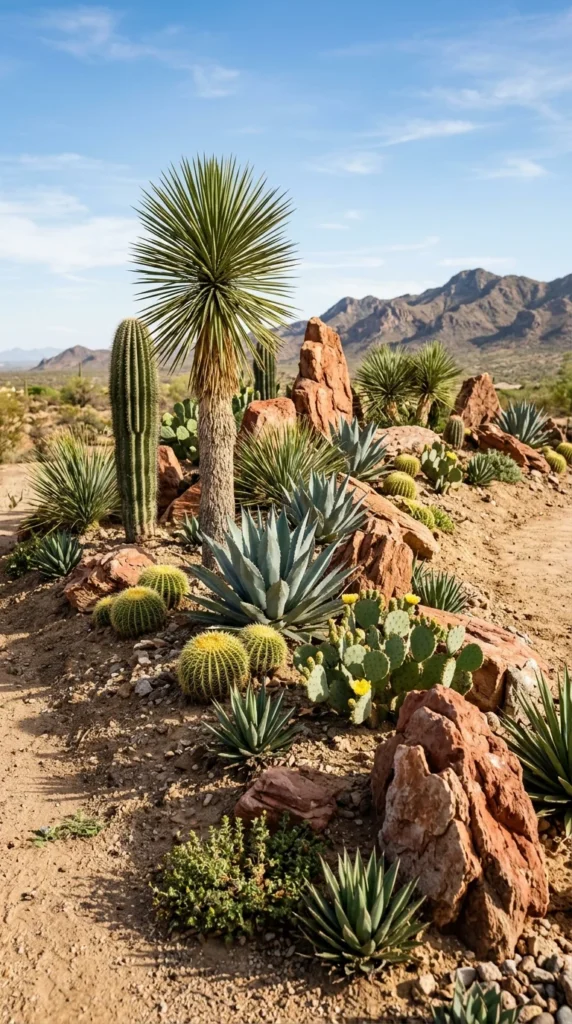
In arid regions or areas facing water restrictions, a xeriscaped berm is both practical and beautiful. By using drought-resistant plants and inorganic mulch (like gravel or crushed stone), you create a landscape that thrives on neglect. The berm adds the necessary drainage that desert plants require, as they often rot if they sit in standing water.
- Water Wise: Requires minimal to no supplemental irrigation once established.
- Bold Shapes: Cacti and succulents provide unique architectural silhouettes.
- Heat Tolerance: Thrives in full sun and high temperatures.
11. Tropical Escape
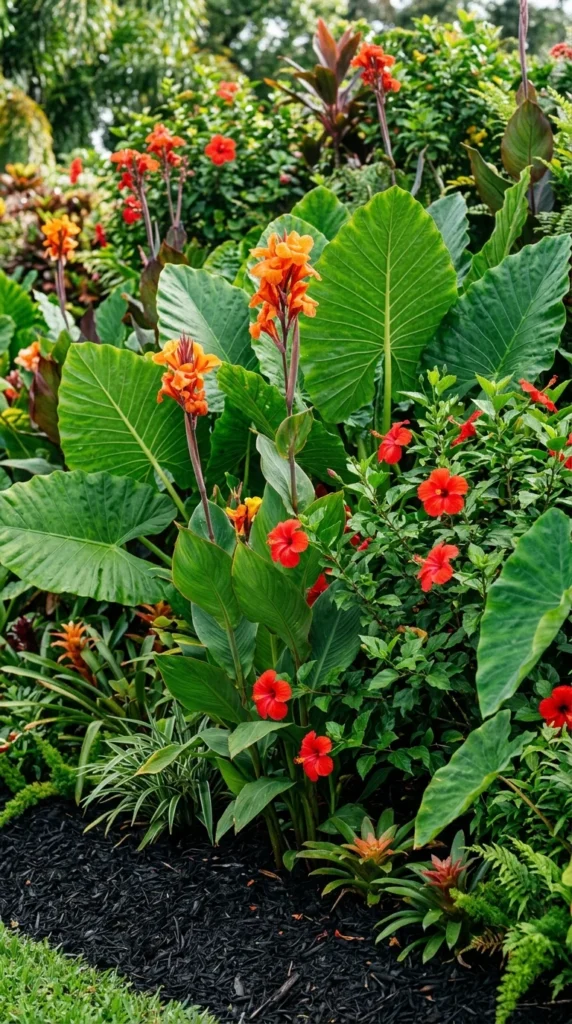
If you want your backyard to feel like a vacation destination, a tropical-themed berm is the way to go. Use plants with massive leaves and “hot” colors like red, orange, and bright yellow. Because many tropical plants are fast growers, a berm can quickly become a dense, exotic screen that provides total seclusion.
- Height: Use tall palms or bananas at the center for a dramatic peak.
- Contrasting Colors: Dark mulch makes the bright greens and neon flowers pop.
- Fragrance: Many tropical plants, like jasmine or ginger, add a sweet scent to the air.
12. Lighting Effects
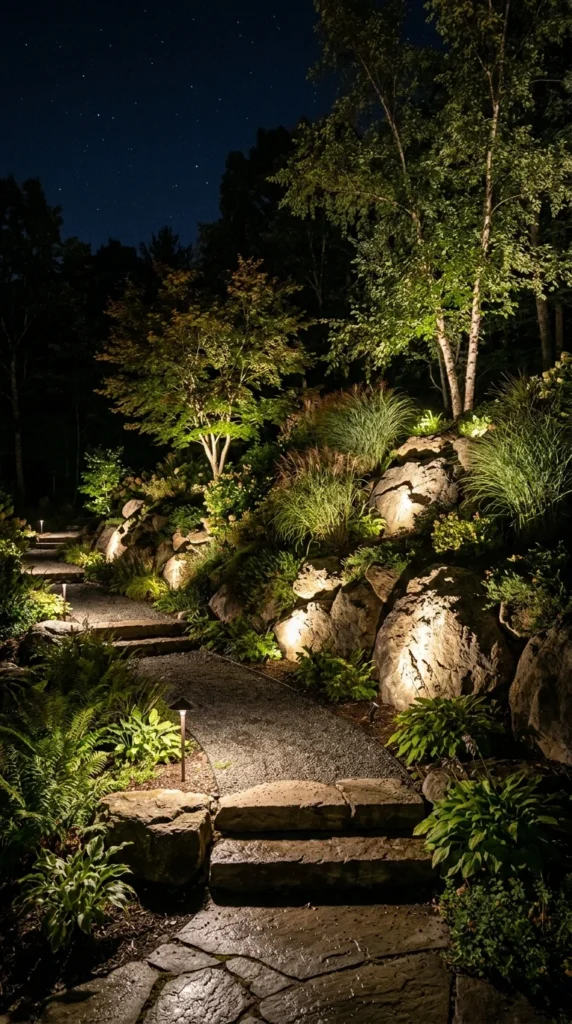
A berm shouldn’t disappear when the sun goes down. In fact, the varying heights of a berm make it the perfect canvas for landscape lighting. By placing “up-lights” at the base of trees or boulders on the mound, you create dramatic shadows and highlights that give the yard a three-dimensional feel at night. This also adds a layer of security to your property.
- Path Lights: Guide the eye along the curve of the berm.
- Silhouette Lighting: Place lights behind plants to create a glowing outline.
- Solar Options: Easy to install without the need for professional wiring.
13. Tiered Levels
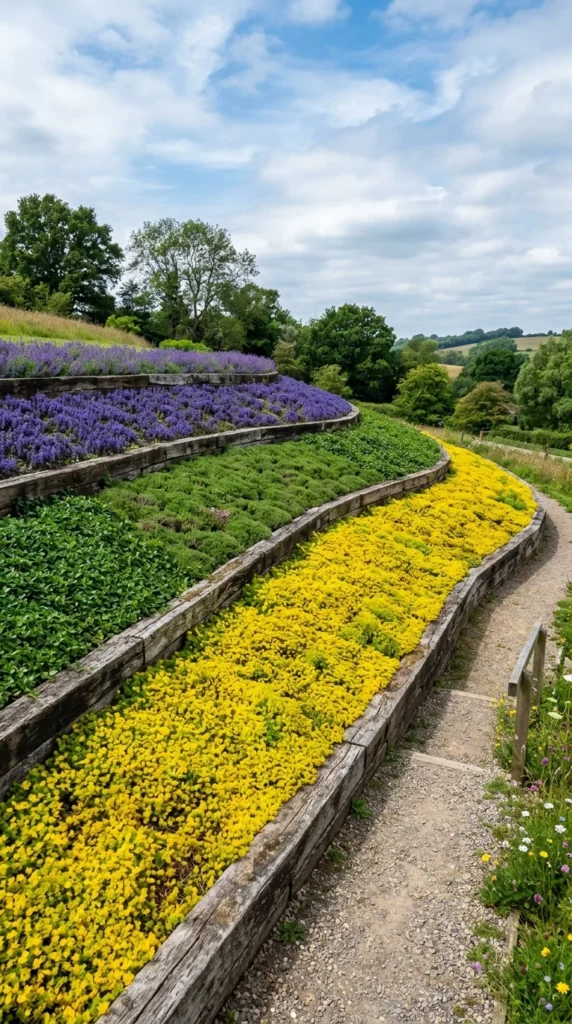
For very large yards, a single mound can sometimes look like a “lump.” Creating tiered levels—essentially a series of smaller berms stacked on top of one another—adds a professional, architectural quality. This allows you to organize your plants by height or type, creating a structured and highly organized garden bed that looks impressive from every angle.
- Visual Organization: Keep different plant varieties separated and tidy.
- Erosion Prevention: Tiers slow down water runoff significantly.
- Planting Variety: Use one tier for vegetables or herbs and another for ornamental flowers.