
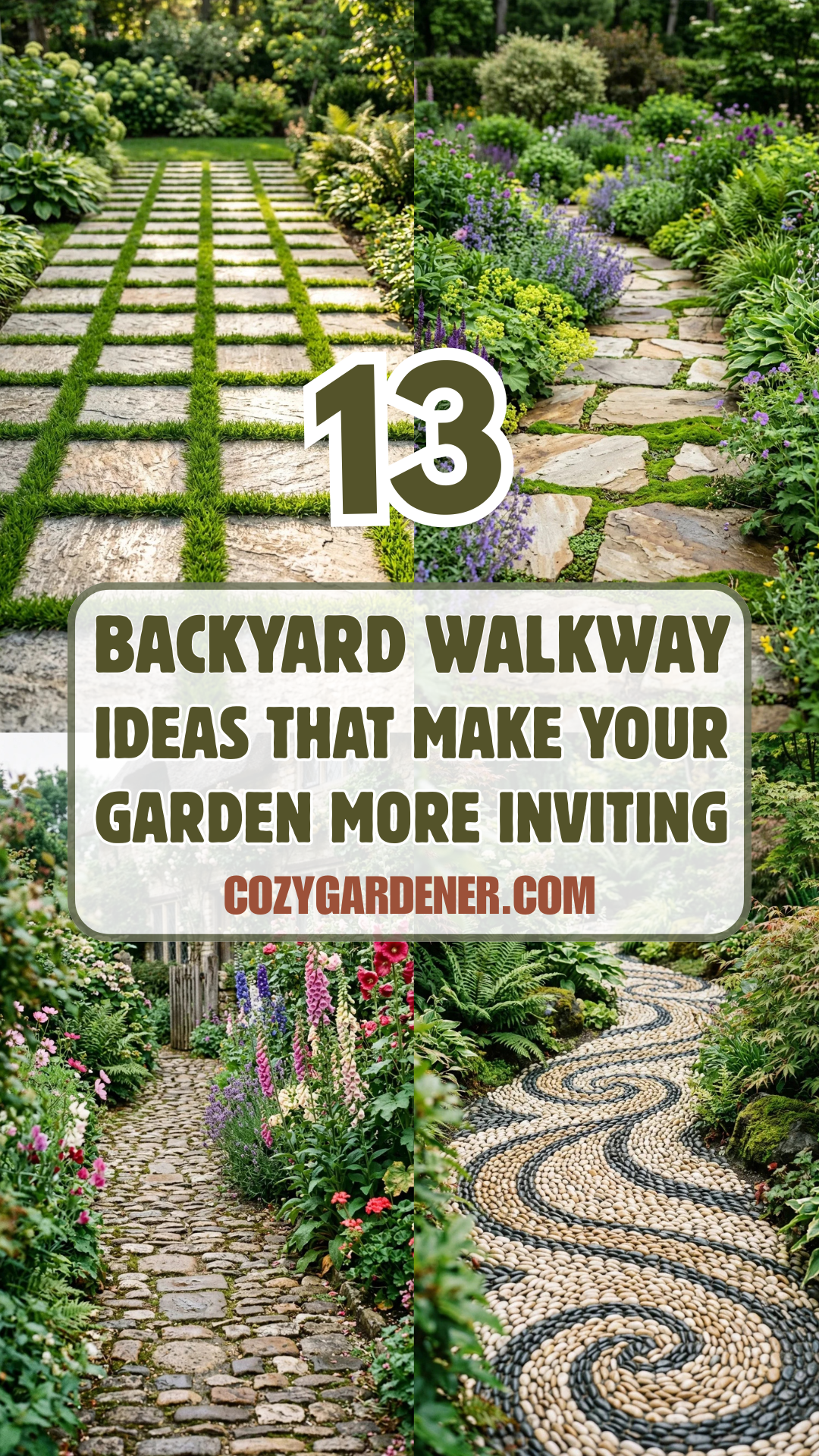
A garden is more than just a collection of plants; it is a living sanctuary that reflects your personal style and offers a retreat from the bustle of everyday life. However, even the most beautiful flower beds can feel disconnected without a clear sense of direction. This is where the backyard walkway comes into play. A well-designed path does more than just keep your shoes clean; it anchors the landscape, creates visual flow, and invites exploration. Whether you are looking for a rustic woodland trail or a sleek modern passage, these thirteen walkway ideas will transform your outdoor space into an inviting oasis.
1. Flagstone
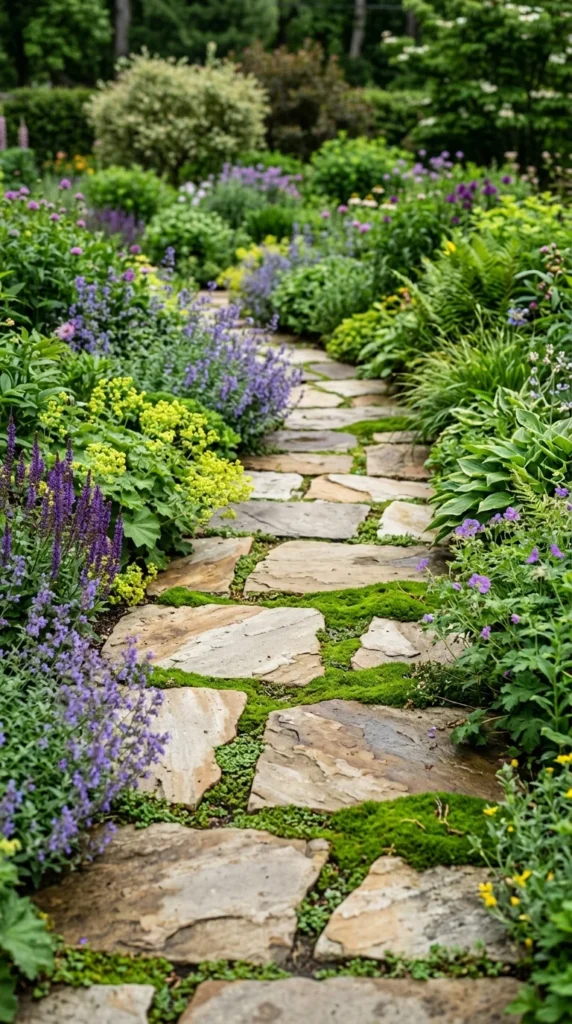
Flagstone is perhaps the most beloved material for garden paths due to its organic, natural appearance. Because the stones come in irregular shapes and varying thicknesses, every flagstone path is entirely unique. This material is incredibly durable and heavy enough to stay in place without a complex foundation. To make it even more inviting, consider planting “steppable” ground covers like Irish Moss or Creeping Thyme in the gaps. Not only does this soften the look, but it also releases a pleasant fragrance when you accidentally step on the foliage.
2. Gravel
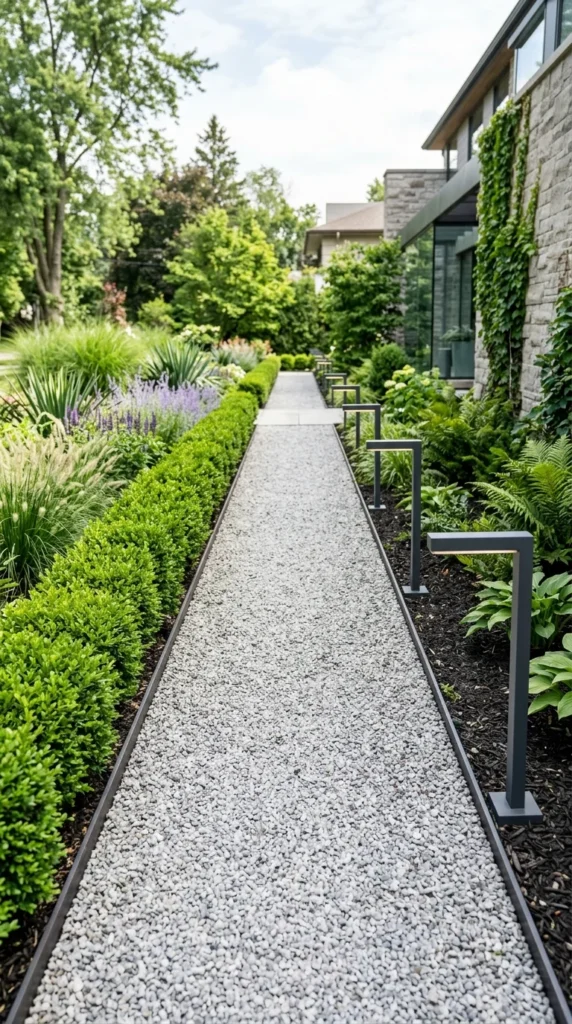
Gravel is the ultimate solution for homeowners seeking a budget-friendly and DIY-friendly option. It offers a satisfying “crunch” underfoot, providing an auditory element to your garden walk. To prevent the gravel from migrating into your lawn, use sturdy edging made of metal, plastic, or treated wood. For a more sophisticated look, opt for pea gravel or crushed granite in a color that complements your home’s exterior. It is also an excellent choice for drainage, as rainwater seeps directly through the stones into the soil below.
3. Pavers
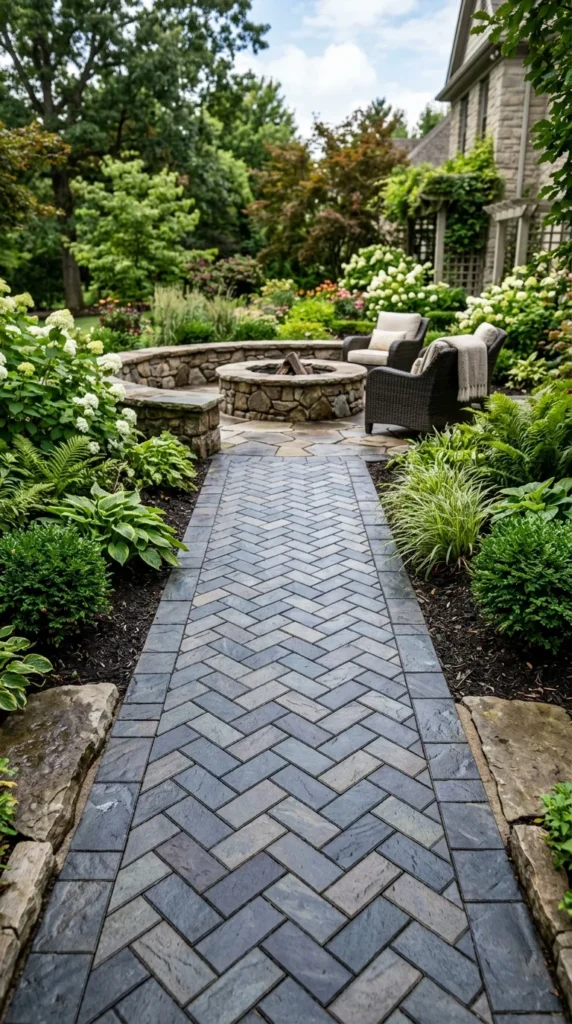
If you prefer a clean, organized look, concrete or stone pavers are the way to go. Available in an endless array of colors, sizes, and textures, pavers allow for intricate patterns like herringbone, basketweave, or running bond. They provide a smooth, flat surface that is ideal for high-traffic areas or for navigating the garden with a wheelbarrow. Because they are manufactured to uniform specifications, installation is straightforward, resulting in a professional and polished finish that adds significant curb appeal.
4. Stepping Stones
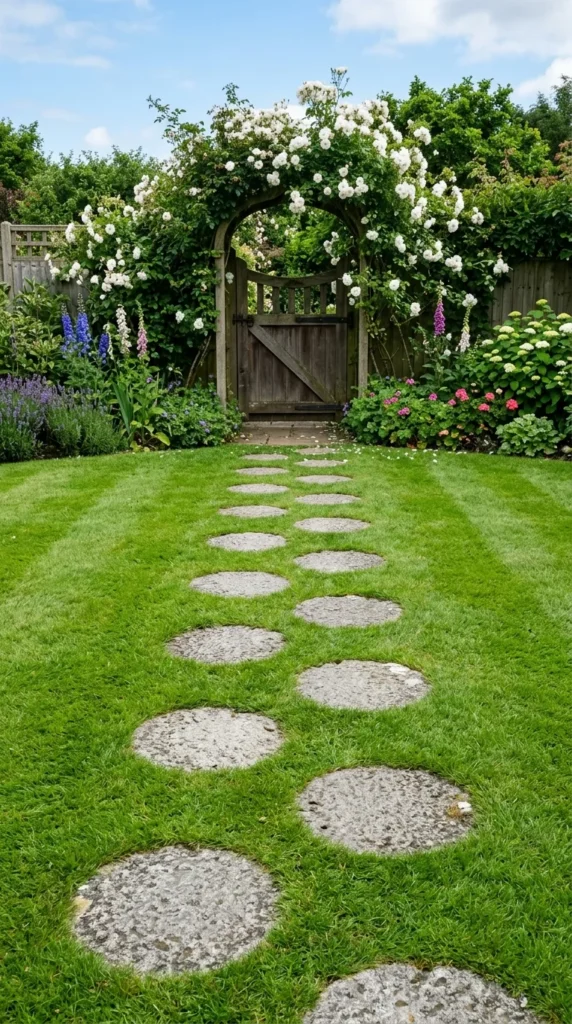
Stepping stones offer a whimsical, “less is more” approach to garden design. Rather than a solid ribbon of material, this style uses individual stones placed at a comfortable walking stride. This is an ideal choice for smaller gardens or areas where you want to maintain as much green space as possible. You can use natural flat rocks, pre-cast concrete discs, or even cross-sections of large logs. The key to a successful stepping stone path is ensuring the stones are set deep enough into the ground so that a lawnmower can pass safely over them.
5. Wood Slats
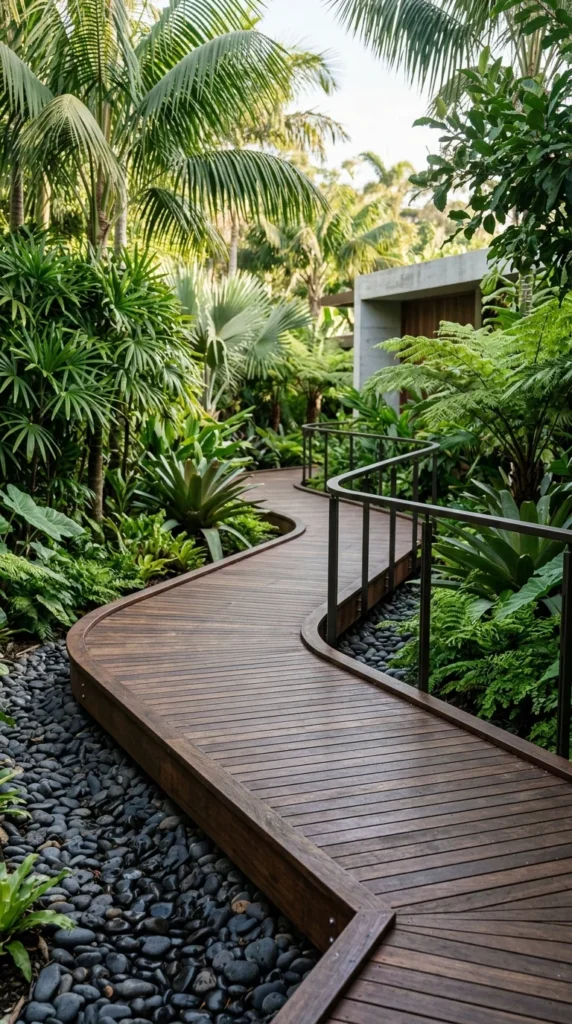
For a look that feels like a coastal boardwalk or a Zen retreat, wood slat walkways are an inspired choice. Using rot-resistant woods like cedar, redwood, or pressure-treated pine, you can create a warm, tactile path that feels wonderful under bare feet. This style works particularly well in damp areas where you want to stay elevated above the mud, or in contemporary gardens where the linear lines of the wood provide a striking contrast to soft, billowing foliage.
6. Brick
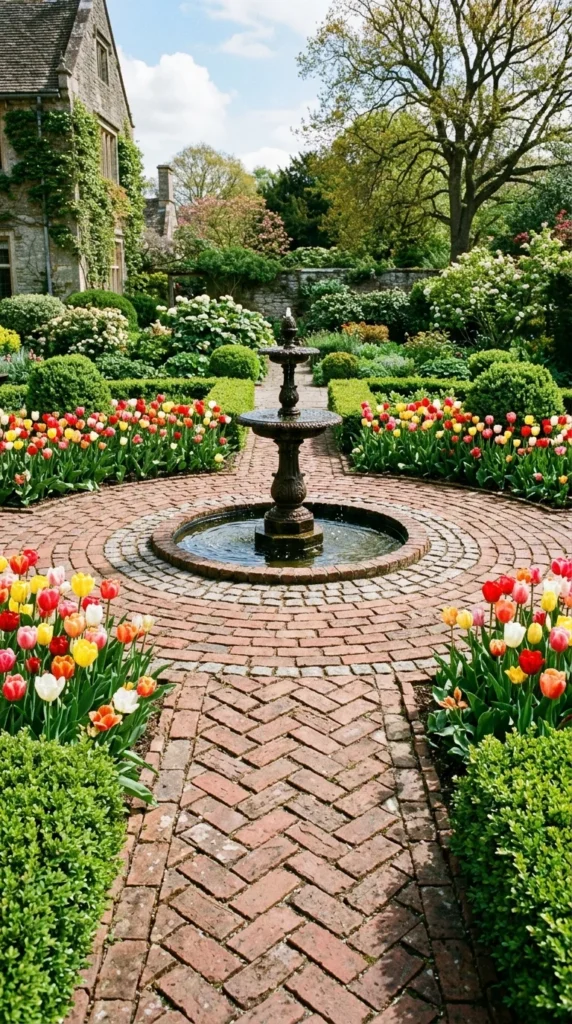
Nothing says “timeless elegance” quite like a brick walkway. Whether you use new bricks or reclaimed “street pavers” with a bit of history, the warm red and orange tones provide a beautiful backdrop for green foliage. Bricks can be laid in sand for a more flexible, permeable path, or set in mortar for a permanent, formal look. Over time, bricks may develop a slight patina or grow a bit of lichen, which only adds to their charm and makes the garden feel well-established.
7. Concrete Slabs
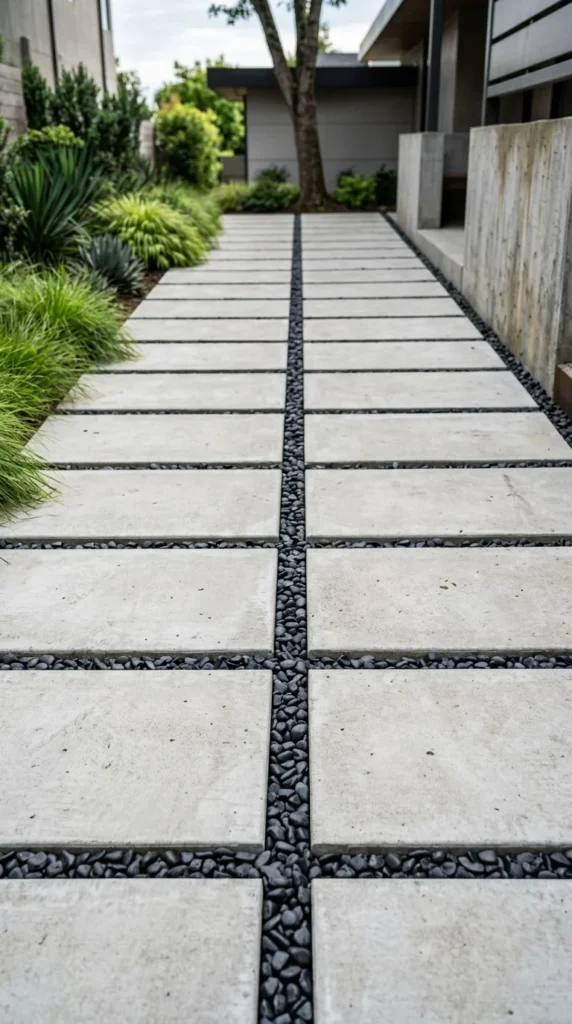
In modern and minimalist landscapes, oversized concrete slabs are a staple. These large-format “floating” steps create a sense of scale and grandeur. By leaving wide gaps between the slabs and filling them with contrasting materials—like black river stones, white marble chips, or even artificial turf—you create a high-contrast visual that doubles as a piece of landscape art. This style is particularly effective for front entryways or long, straight stretches of the backyard.
8. Mulch
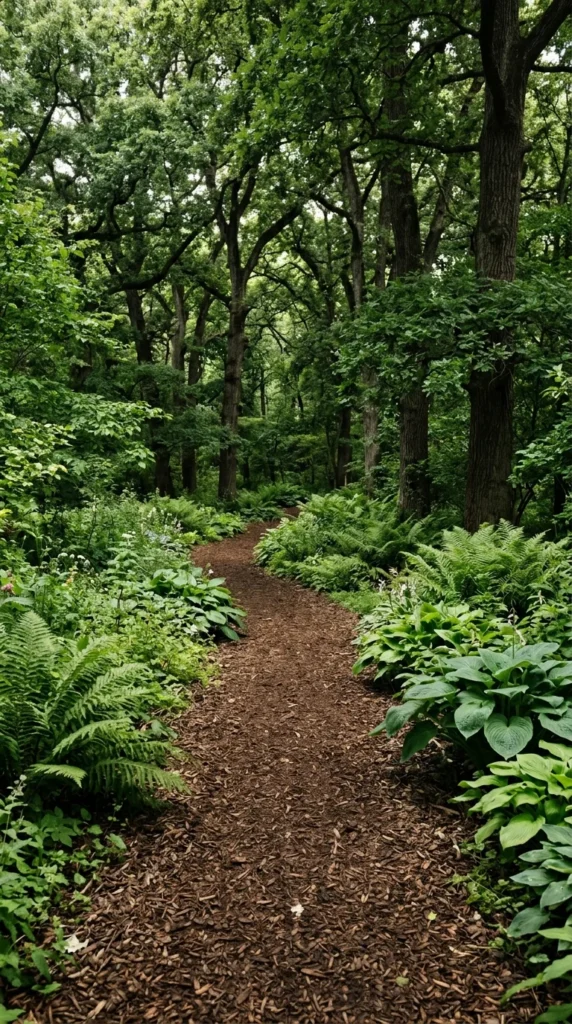
For a truly natural, “forest floor” aesthetic, a mulch or wood chip path is unbeatable. This is the most cost-effective option and is perfect for informal, woodland-style gardens. Mulch paths feel soft underfoot and blend seamlessly into the surrounding environment. While they do require refreshing every year or two as the organic material decomposes, the decomposing mulch actually improves the soil quality over time. It is an excellent choice for secondary paths that lead to compost bins or hidden garden nooks.
9. Cobblestone
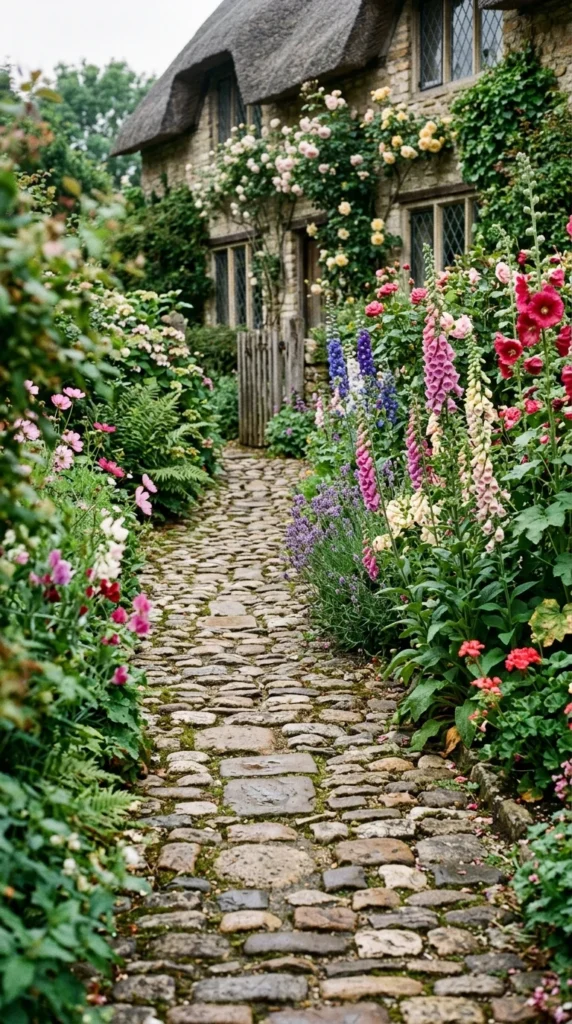
If you want your garden to feel like a slice of the European countryside, cobblestones are the answer. These rounded, tumbled stones evoke a sense of history and permanence. While they can be a bit uneven to walk on, their texture is visually stunning, especially when wet. Cobblestones are often used as edging for other materials, but a full cobblestone path creates a heavy, grounded look that anchors a garden beautifully.
10. Grass Jointed
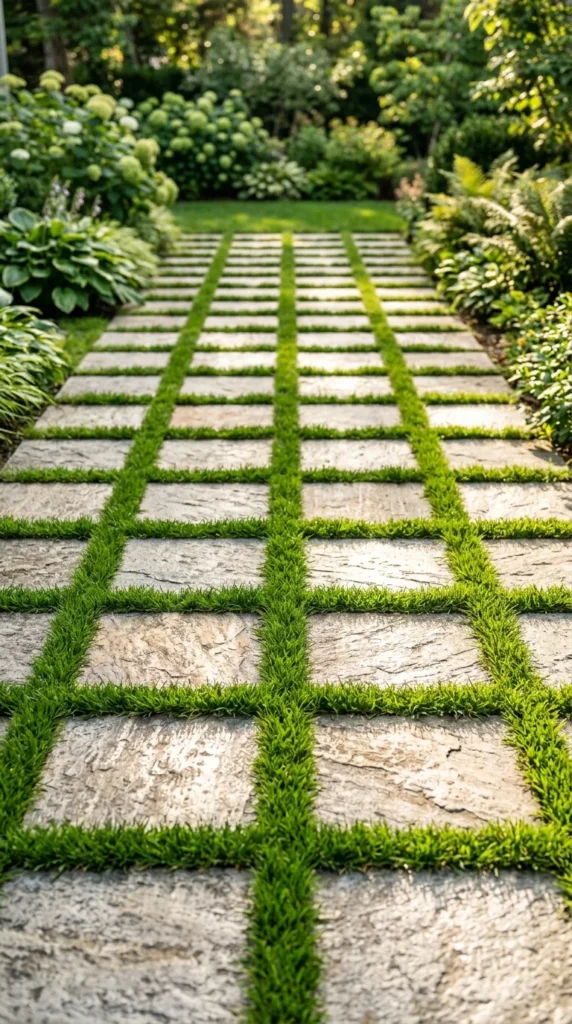
The grass-jointed walkway is the perfect middle ground between a solid hardscape and a lush lawn. By spacing out large pavers or stones and allowing grass to grow in the “grout” lines, you create a checkered or striped pattern that looks incredibly luxurious. This style requires a bit more maintenance—you’ll need to trim the grass within the joints—but the reward is a garden path that feels like it has been integrated into the earth itself. It is a favorite for Mediterranean and estate-style landscapes.
11. Mosaic
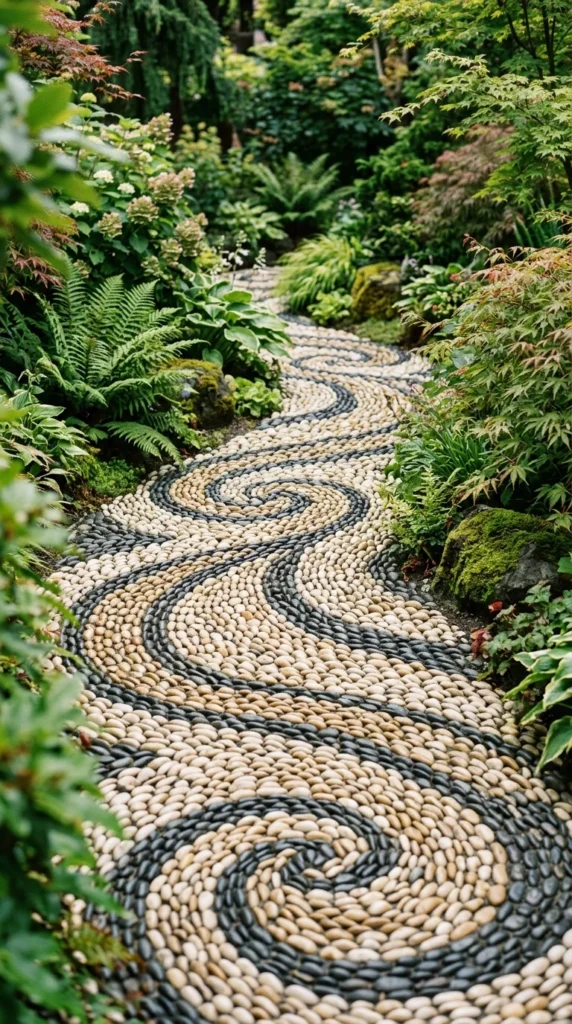
For the homeowner who views their garden as a canvas, a pebble mosaic walkway is the ultimate expression of creativity. By embedding small river stones or glass beads into a mortar bed, you can create intricate patterns, swirls, or even representational images like flowers or suns. Mosaic paths are labor-intensive to install but result in a one-of-a-kind feature that serves as a permanent focal point in the garden.
12. Crushed Shells
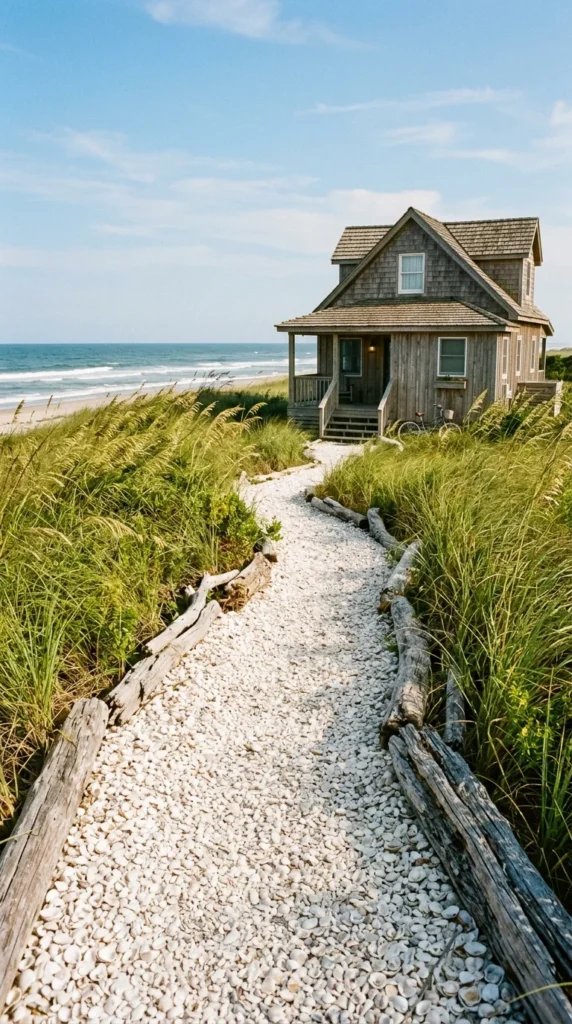
Common in coastal regions, crushed shells (such as oyster or clam shells) provide a bright, reflective walkway that illuminates even the shadiest corners of a garden. As the shells are walked upon, they break down into smaller pieces, creating a stable and well-drained surface. The white and off-white tones of the shells provide a stunning contrast against deep green shrubs and blue-toned succulents, bringing a “vacation vibe” to your own backyard.
13. Railroad Ties
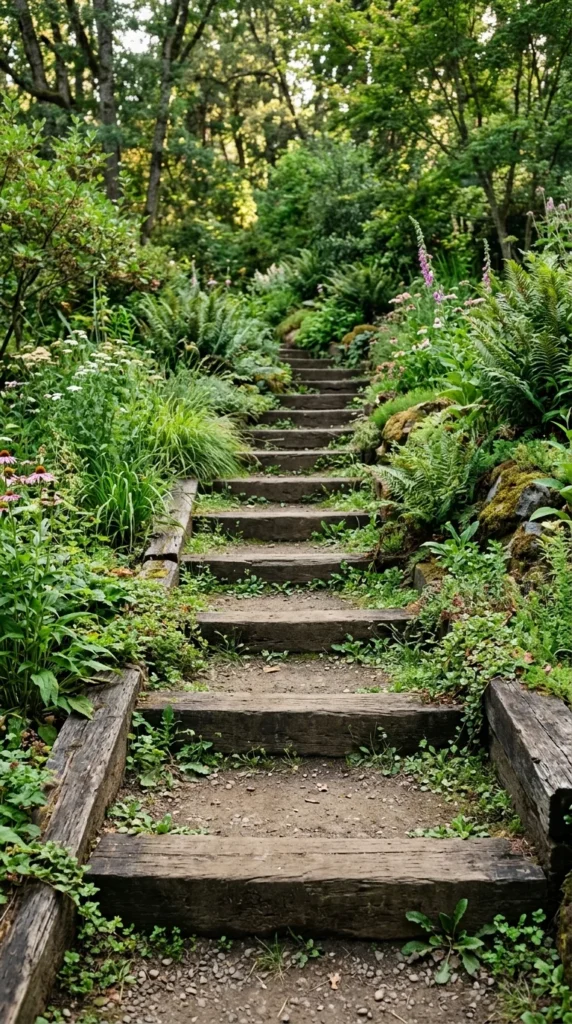
To navigate slopes or to create a rugged, rustic look, reclaimed railroad ties or large timber beams are excellent choices. These heavy-duty materials can be used to create wide, shallow steps that make a hillside garden much more accessible. The dark, weathered wood looks fantastic paired with boulders and wild, ornamental grasses. Because of their scale, railroad ties provide a sense of structure and strength that smaller materials simply cannot match.