
The front yard is your home’s handshake. It is the very first thing guests, neighbors, and potential buyers see, setting the tone for what lies behind the front door. A well-designed landscape doesn’t just increase property value—though it can boost it by as much as 15%—it also creates a sense of sanctuary and pride of ownership. Whether you have a sprawling estate or a compact urban lot, the right landscaping can transform a mundane exterior into a breathtaking masterpiece.
From the architectural structure of retaining walls to the soft textures of ornamental grasses, here are 16 front yard landscaping ideas designed to elevate your home’s curb appeal and make your property the envy of the block.
1. Stone Pathways
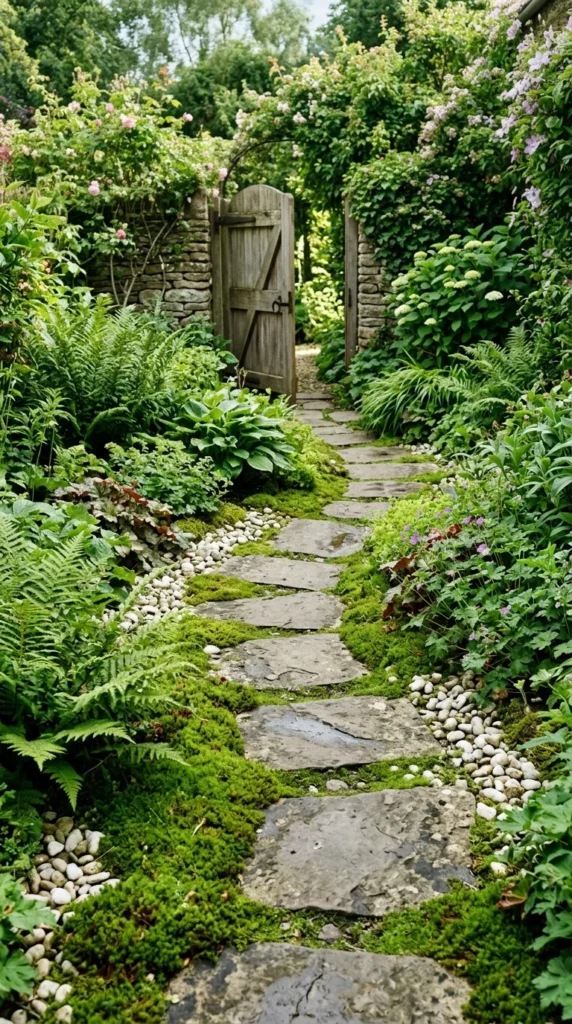
A stone pathway is more than just a functional trail; it is an invitation. Instead of a standard concrete sidewalk, opting for natural materials like flagstone, slate, or cobblestone adds texture and a timeless organic feel. A curved path creates a sense of mystery and leisure, encouraging the eye to wander through your garden before reaching the entrance. You can fill the gaps between stones with “steppable” plants like creeping thyme or Irish moss, which release a pleasant fragrance when trodden upon and soften the hard edges of the stone.
2. Perennial Borders
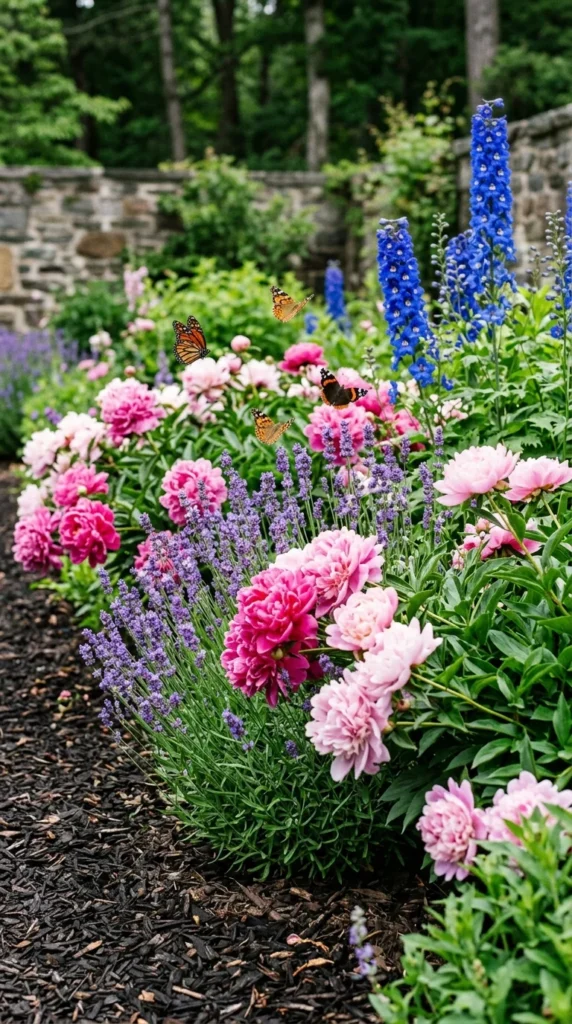
If you want a garden that keeps on giving, perennials are your best friend. Unlike annuals that need to be replanted every year, perennials like hostas, coneflowers, and daylilies return season after season, growing larger and more beautiful over time. By planting a border of perennials along your driveway or the front of your house, you create a permanent frame for your home. Mix different heights and bloom times to ensure that as one flower fades, another is ready to take its place, providing a rotating palette of color from spring through autumn.
3. Native Plants
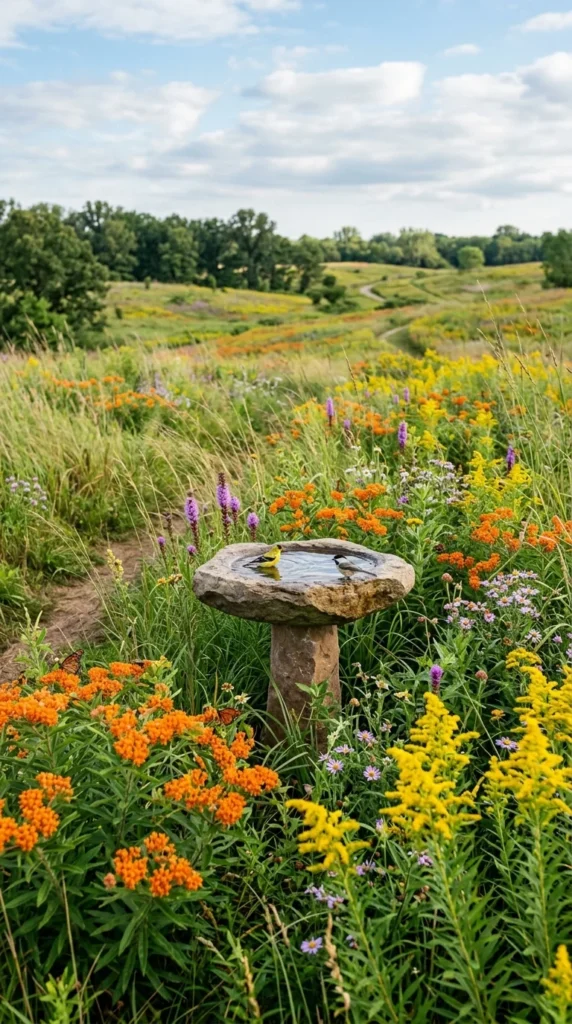
Sustainability is the ultimate luxury in modern landscaping. Native plants are those that occur naturally in your specific region, meaning they are perfectly adapted to the local soil, rainfall, and climate. Because they are “at home,” they require significantly less water, fertilizer, and pesticides than exotic species. Beyond being low-maintenance, native plants provide essential habitats for local pollinators like bees, butterflies, and birds, turning your front yard into a thriving, eco-friendly ecosystem.
4. Layered Beds
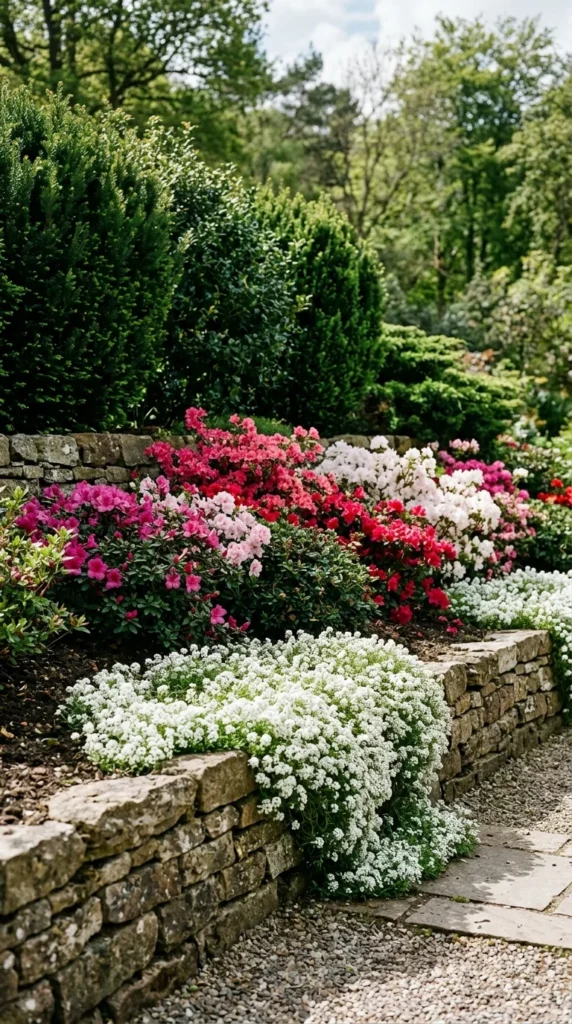
Depth is the secret ingredient to a professional-looking landscape. Layering involves arranging plants by height to create a three-dimensional effect. Start with “anchor” plants in the back—typically taller evergreen shrubs or small trees that provide structure year-round. In the middle layer, introduce seasonal color and varied textures with deciduous shrubs or tall perennials. Finally, finish the front with low-growing ground covers or annuals. This tiered approach prevents the garden from looking flat and ensures every plant has its moment in the sun.
5. Lighting Accents
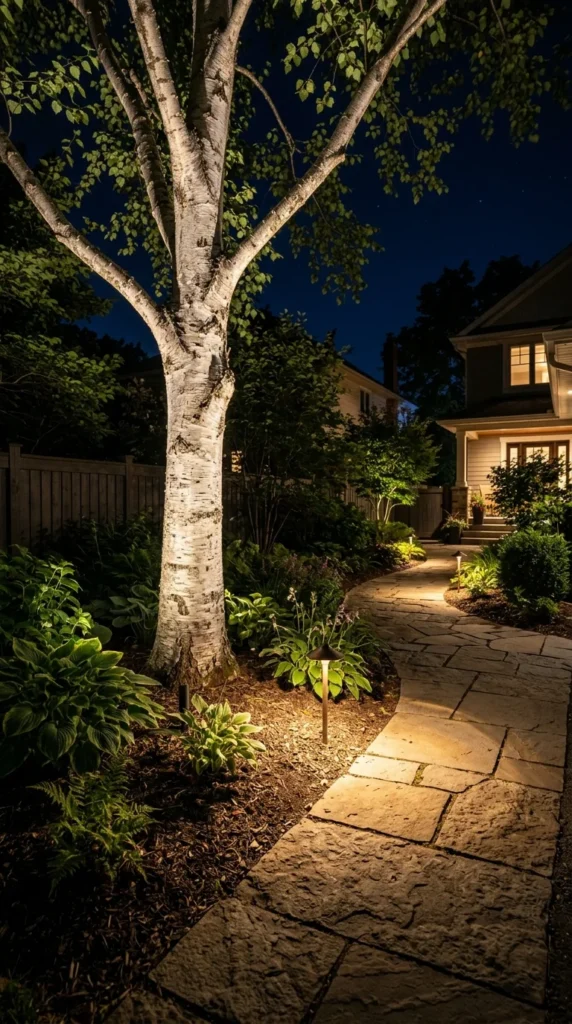
Landscaping shouldn’t disappear when the sun goes down. Strategic outdoor lighting enhances safety while highlighting your home’s best features at night. Use “uplighting” to emphasize the texture of a beautiful tree or the architectural lines of your house. Path lights provide a warm glow that guides visitors safely to the door, while “moonlighting”—placing lights high up in tree canopies—creates soft, dappled shadows on the ground below. High-quality LED systems are energy-efficient and can be programmed to transition perfectly from dusk to dawn.
6. Window Boxes
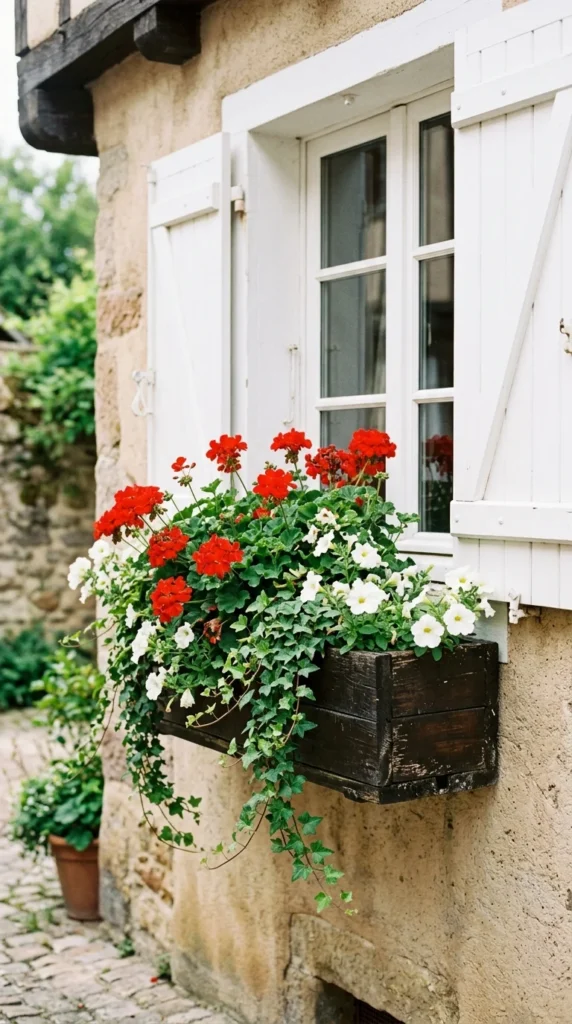
If you are short on ground space, look upward. Window boxes are a classic way to add a pop of color and charm to a home’s facade. They bridge the gap between the house and the garden, bringing the softness of nature right up to your windows. For a dynamic look, follow the “thriller, filler, spiller” rule: choose one tall, eye-catching plant (the thriller), several mounding plants to fill the space (the filler), and trailing plants that hang over the edge (the spiller).
7. Drought-Tolerant Xeriscaping
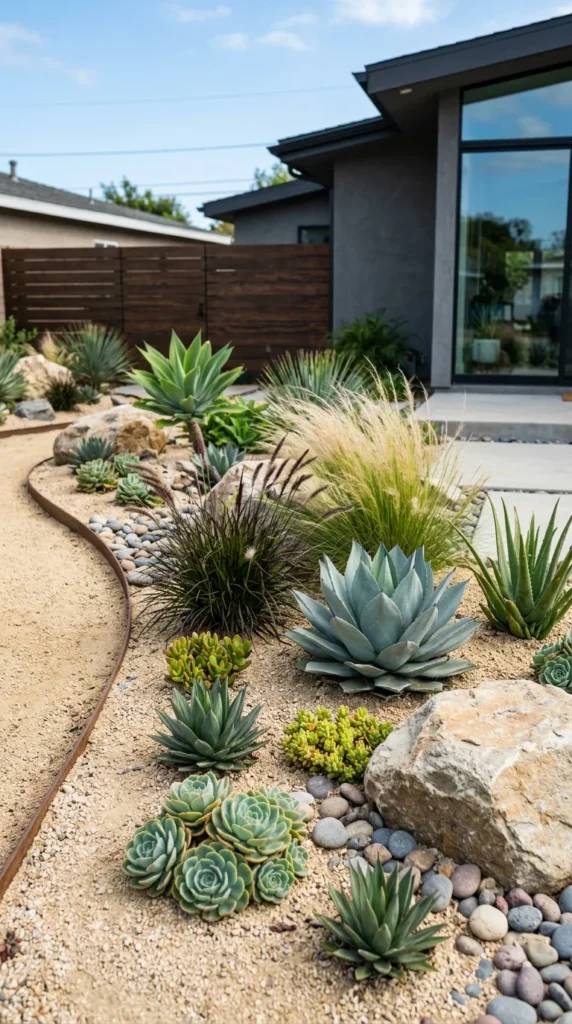
Xeriscaping is a landscaping style that requires little to no irrigation. While it originated in arid climates, it has become a popular design choice everywhere for its clean, sculptural aesthetic. Instead of a thirsty lawn, use a combination of decorative gravel, river rocks, and drought-resistant plants like agave, yucca, or lavender. This style is not only environmentally conscious but also incredibly low-maintenance, freeing you from the chore of weekly mowing.
8. Retaining Walls
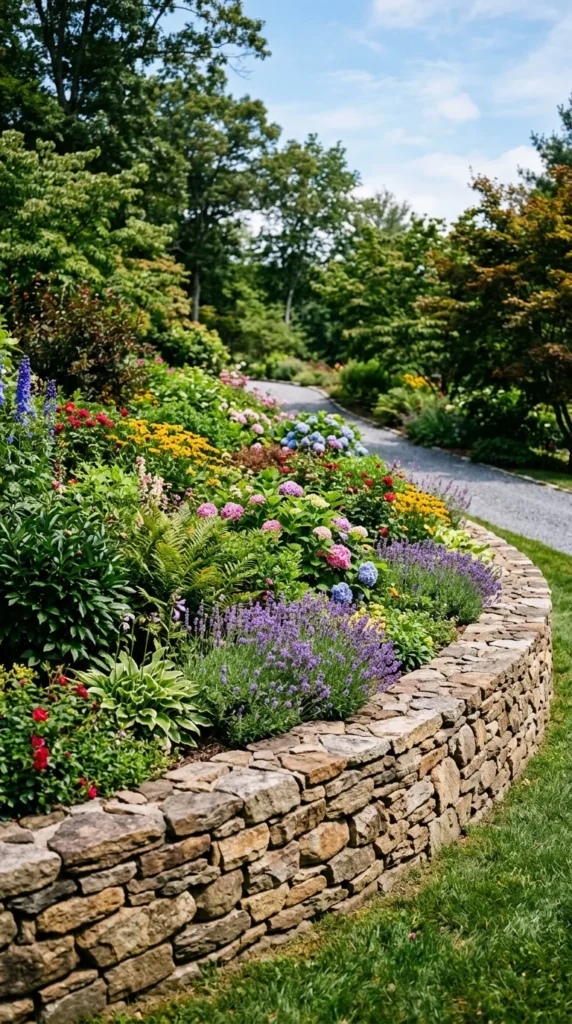
For homes built on a slope, a retaining wall is a functional necessity that can be turned into a design feature. These walls prevent soil erosion and create level “shelves” for planting. Whether you use sleek poured concrete for a modern look or rugged natural stone for a cottage feel, retaining walls add structural definition to the yard. They can also serve as extra seating for guests or a place to display potted plants.
9. Ornamental Trees
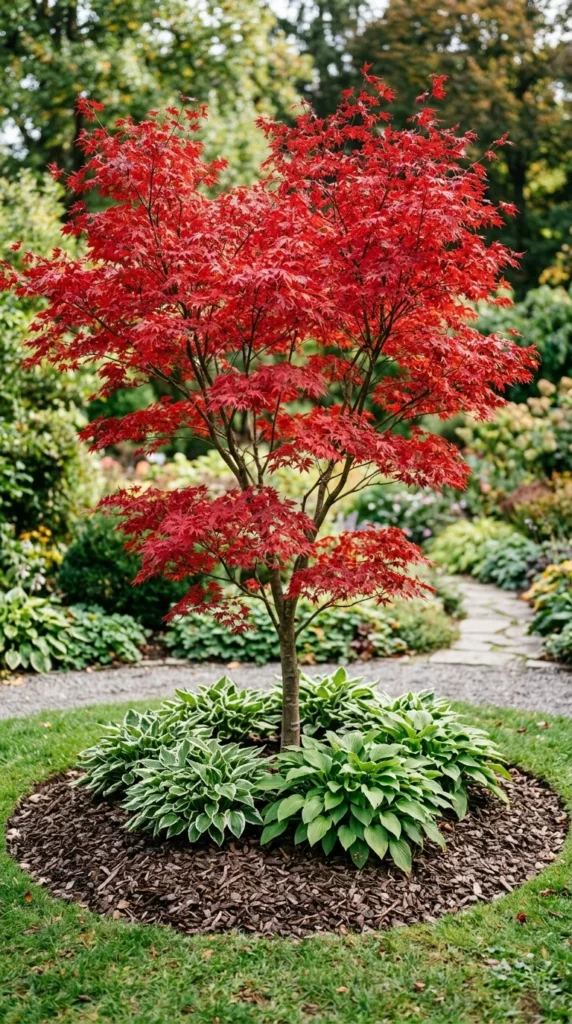
Every front yard needs a focal point, and an ornamental tree is often the perfect candidate. Unlike large shade trees, ornamental varieties like Japanese Maples, Dogwoods, or Redbuds stay relatively small, making them ideal for framing a house without overwhelming it. Many offer multi-seasonal interest, with showy spring blossoms, lush summer foliage, and dramatic fall colors. A well-placed tree creates a “destination” for the eye and adds vertical scale to your landscape design.
10. Ground Covers
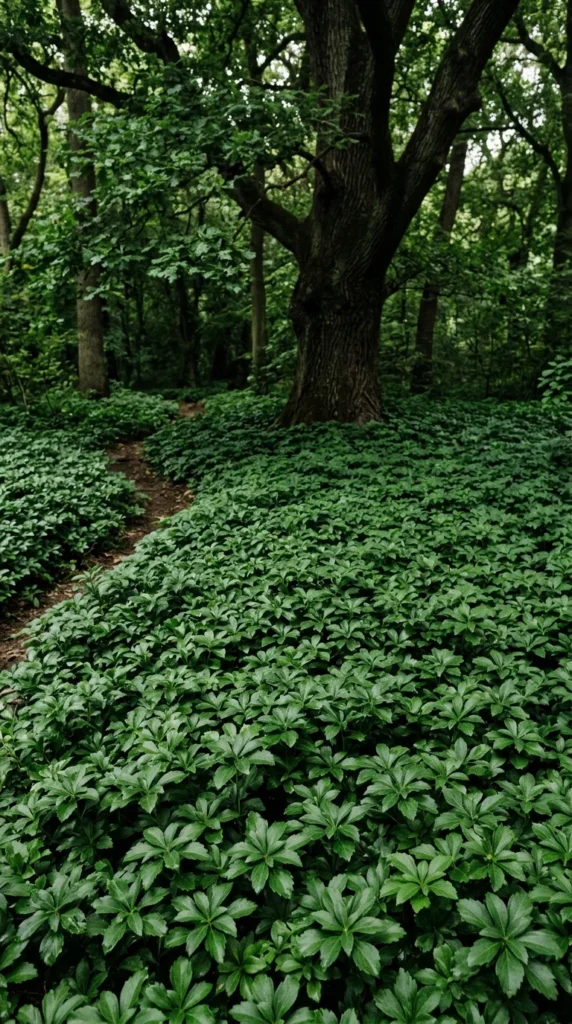
Grass isn’t the only way to cover the earth. In areas where turf struggles to grow—such as deep shade or steep hillsides—ground covers are a lifesaver. Plants like creeping phlox, vinca minor, or pachysandra spread quickly to create a “living rug” that chokes out weeds and requires no mowing. In the spring, many ground covers burst into a sea of tiny flowers, providing a massive impact for very little effort.
11. Picket Fencing
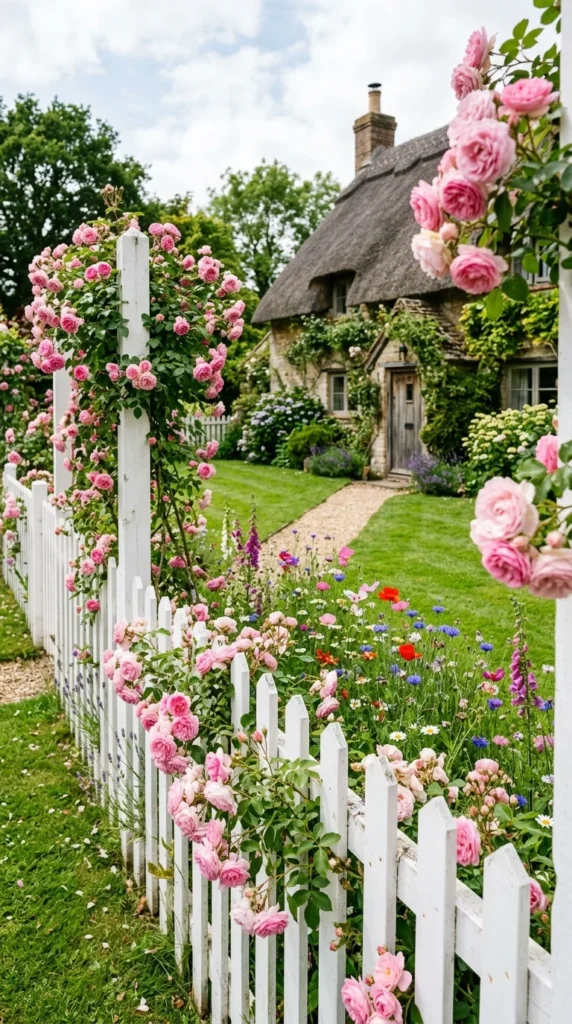
There is perhaps no greater symbol of domestic charm than the white picket fence. A low fence defines the boundaries of your property without creating a visual barrier, making your yard feel like a private garden. When paired with climbing roses or clematis, the fence becomes a trellis, adding vertical floral displays. This is a perfect choice for traditional, colonial, or cottage-style homes looking to add a touch of nostalgia.
12. Water Features
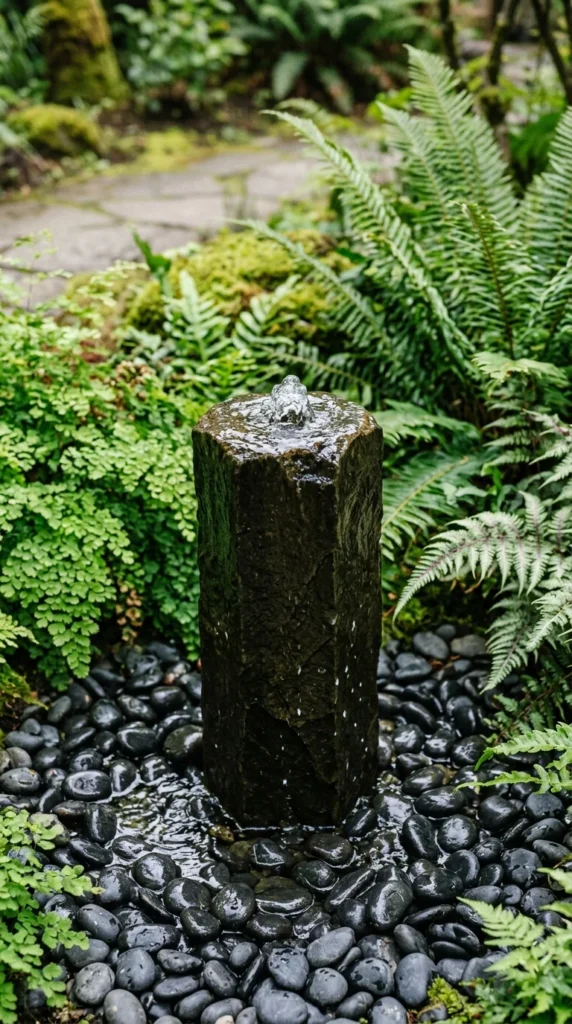
The sound of trickling water has a transformative effect on a space, masking street noise and creating a sense of tranquility. You don’t need a massive pond to enjoy this; a simple disappearing fountain or a wall-mounted water feature can provide the same sensory benefits. Water features also attract birds and dragonflies, adding movement and life to your front yard.
13. Container Gardens
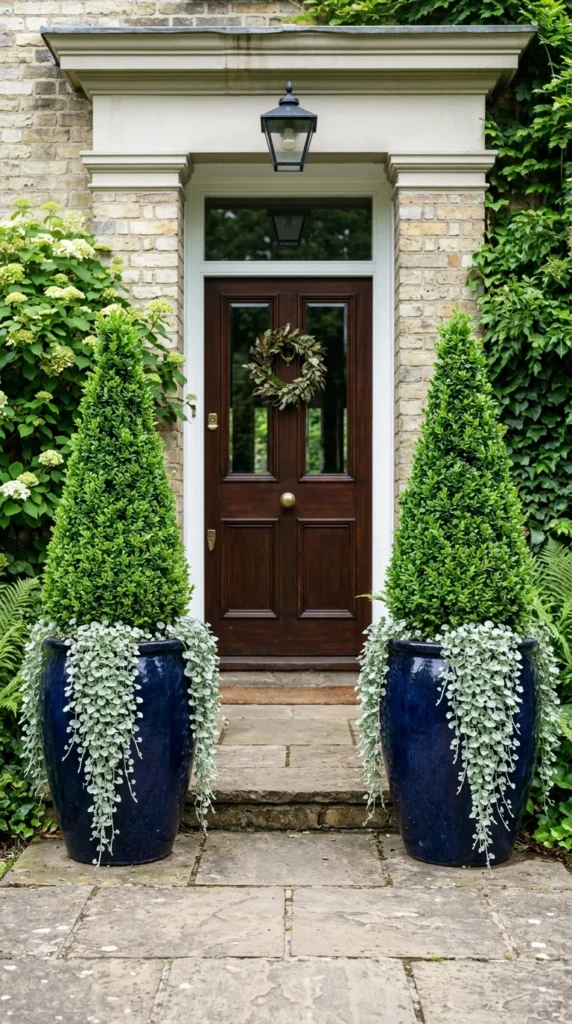
Container gardening offers the ultimate flexibility. Large pots and planters allow you to introduce color and greenery to hardscaped areas like porches, steps, or driveways. Using symmetrical containers on either side of an entrance creates a formal, welcoming look. The best part? You can easily swap out the plants to reflect the seasons—mums in the fall, evergreens in the winter, and tropicals in the summer.
14. Edible Landscapes
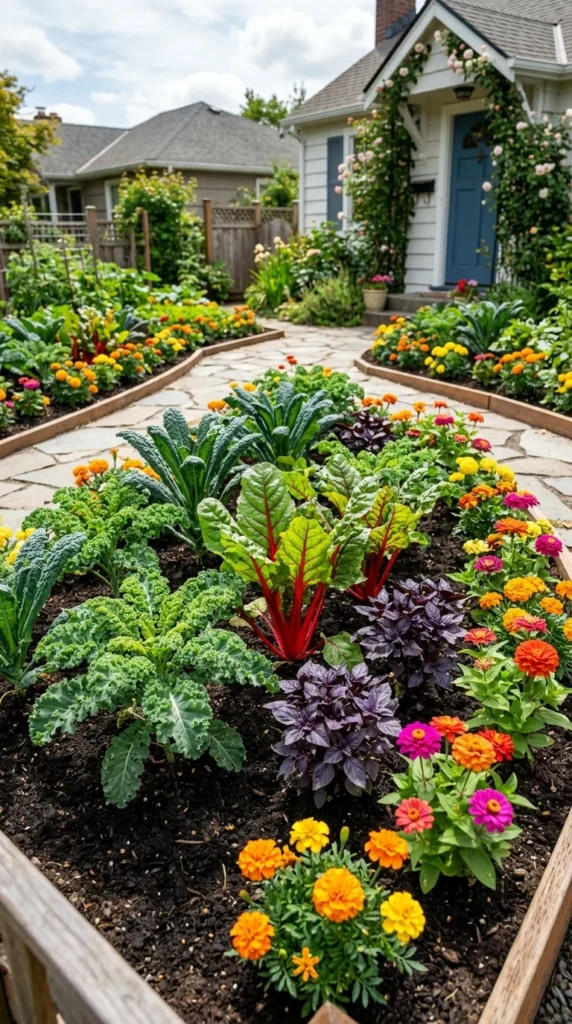
Who says the front yard can’t be productive? “Foodscaping” is the practice of integrating edible plants into your ornamental landscape. Many vegetables and herbs are stunningly beautiful; consider the deep purple of ‘Redbor’ kale, the architectural spikes of artichokes, or the delicate fronds of fennel. By mixing these with flowers, you create a yard that is as delicious as it is beautiful, proving that utility and aesthetics can go hand in hand.
15. Symmetrical Greenery
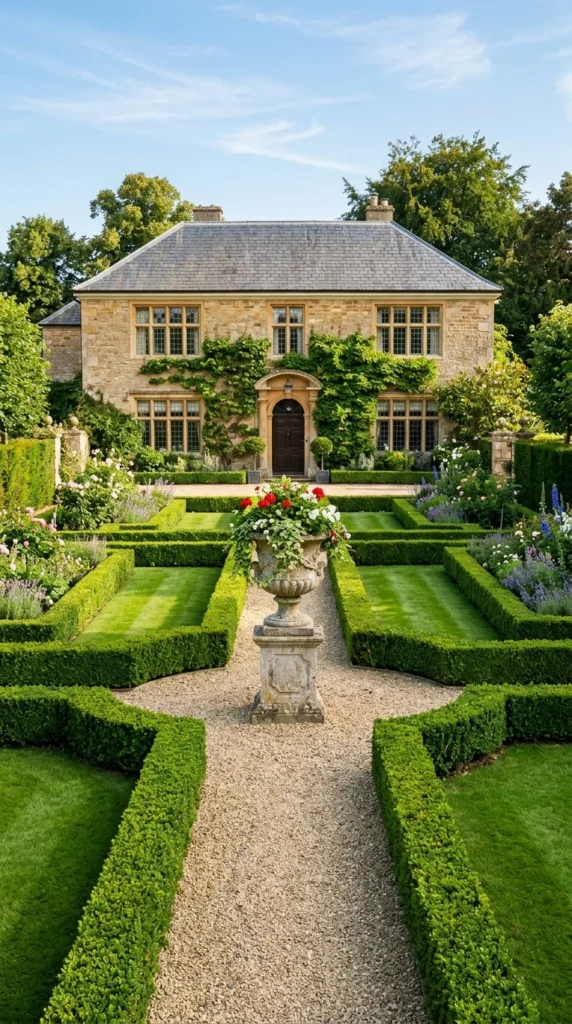
For those who prefer a clean, organized look, symmetry is the way to go. Mirroring the plantings on both sides of a central axis (usually the front door or walkway) creates a sense of balance and order. This style often relies on “evergreen architecture”—hedges, topiaries, and structured shrubs that maintain their shape year-round. It’s a sophisticated approach that works particularly well with traditional and contemporary architecture alike.
16. Modern Gravel
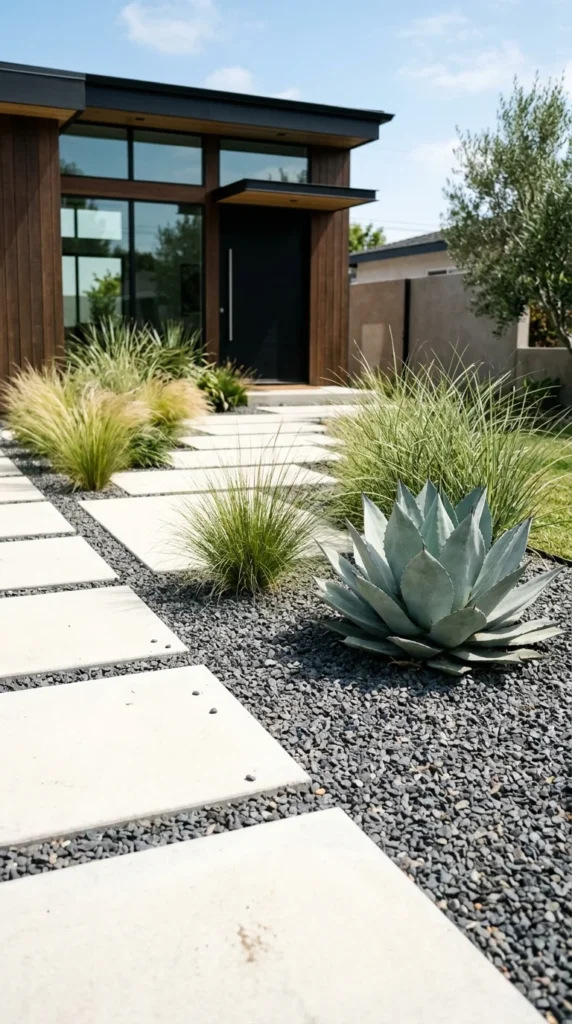
If you crave a minimalist, high-impact look, modern gravel landscaping is a top choice. Using contrasting colors of crushed stone or pea gravel creates a clean, graphic appearance. This style emphasizes form and texture over a riot of color. It is highly permeable, allowing rainwater to soak into the ground, and it provides a sleek, “gallery-like” backdrop for architectural plants. It’s the perfect low-maintenance solution for the modern homeowner.