The magic of a cottage garden lies in its intentional imperfection. It is a style that celebrates the wild, the whimsical, and the densely packed. In a small space, this aesthetic is actually an advantage. Unlike formal gardens that require vast lawns to look “right,” a cottage garden thrives on being crowded, lush, and layered. By utilizing vertical space, choosing the right color palettes, and mixing functional plants with ornamental ones, you can turn even a tiny courtyard or a narrow side yard into a romantic sanctuary. Here are 23 ideas to help you maximize every square inch of your small cottage garden.
1. Climbing Roses
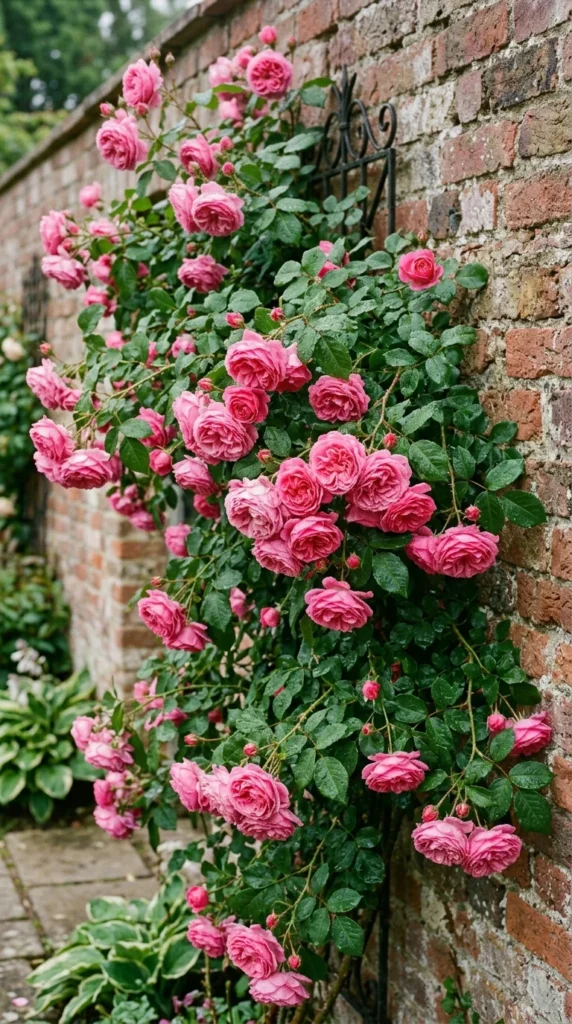
Verticality is the best friend of a small garden. Climbing roses allow you to bring the classic romance of a cottage garden upward, leaving the ground free for smaller perennials. Choose repeat-blooming varieties like ‘Eden’ or ‘Graham Thomas’ to ensure your walls stay colorful from late spring through autumn. By training the canes horizontally across a trellis or wall, you encourage more “lateral” buds to break, resulting in a wall of flowers rather than just a few at the top.
2. Picket Fences
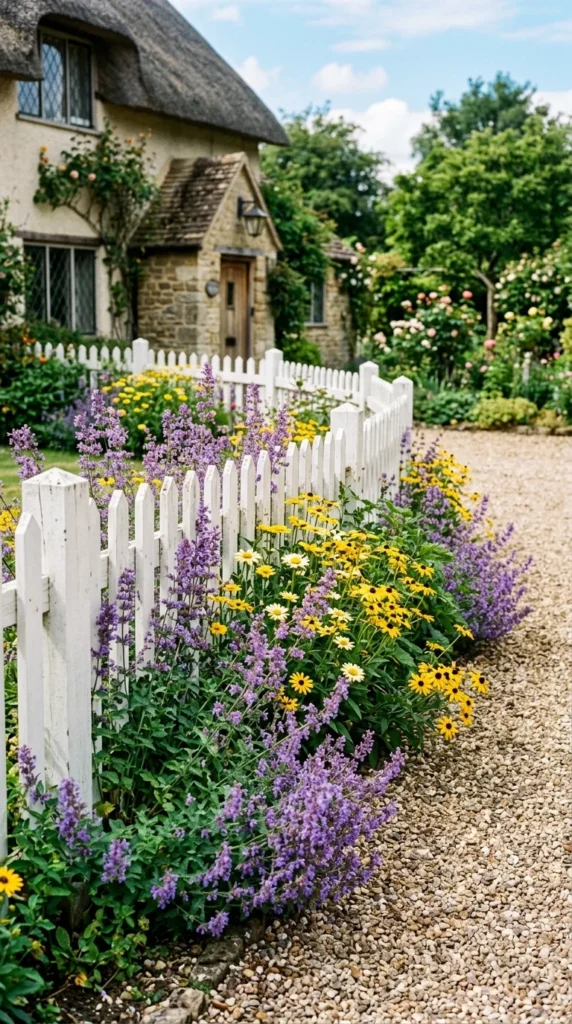
A low picket fence provides the structural “bones” that a wild cottage garden needs to look intentional rather than messy. In a small space, a white or soft grey fence acts as a frame, containing the overflowing blooms and giving the eye a place to rest. It also serves as a perfect support for leaning plants like hollyhocks or tall bellflowers, keeping them from flopping onto your walkways.
3. Gravel Paths
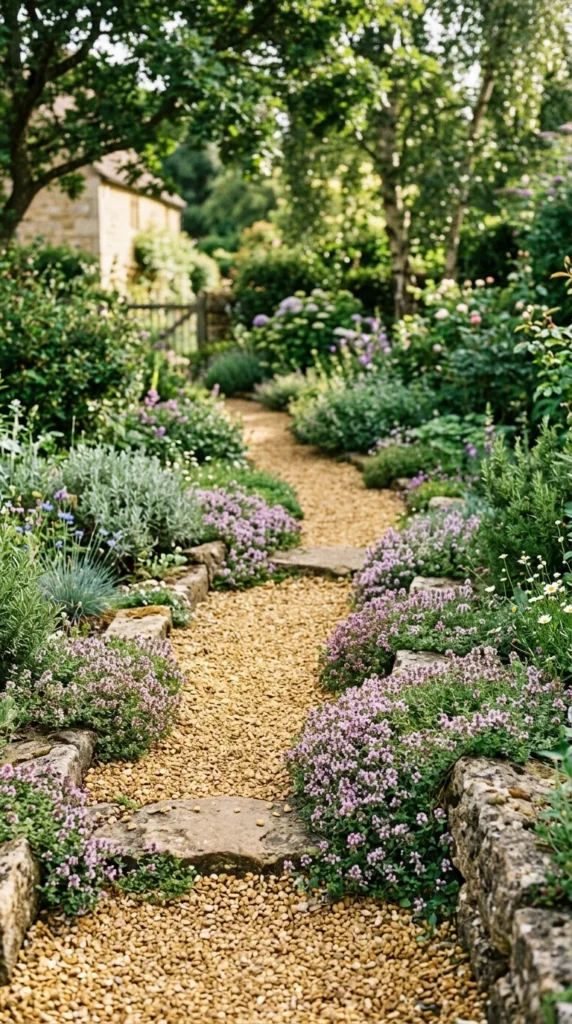
Large paving stones can make a small garden feel cramped and rigid. Gravel, on the other hand, is fluid. It can wind around tight corners and create soft, organic shapes. In a small cottage garden, a crunching gravel path adds a sensory element and allows self-seeding plants like Erigeron (Mexican Fleabane) to tuck themselves into the edges, blurring the lines between the walkway and the flower beds.
4. Layered Planting
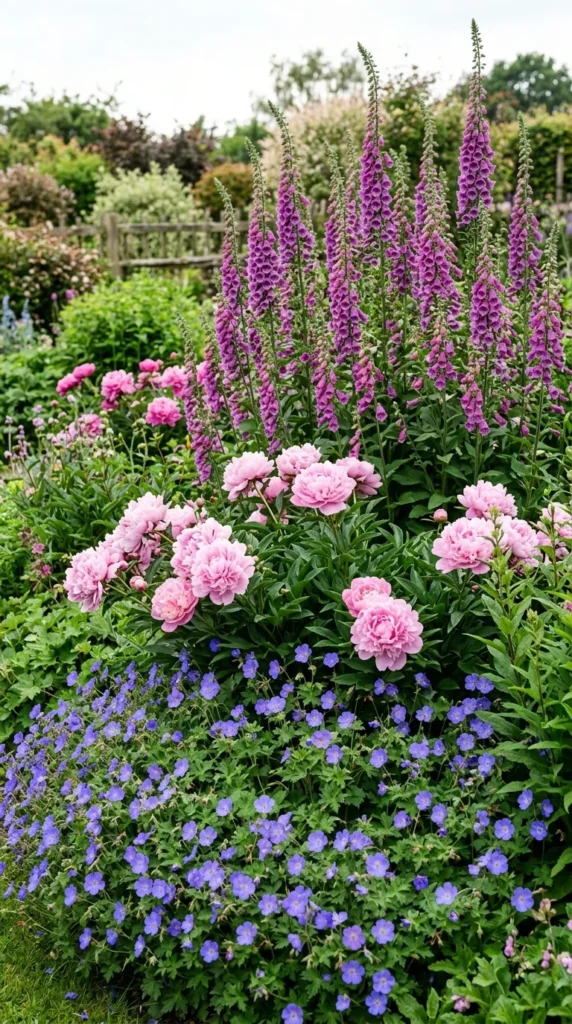
To make a small bed feel deeper, use the “staircase” method of planting. Place your tallest specimens, like delphiniums or sunflowers, at the very back. Place medium-sized shrubs or roses in the middle, and finish with low, mounding plants like lady’s mantle or hardy geraniums at the front. This creates a lush “wall” of texture that hides the boundaries of your garden, making the space feel infinitely deep.
5. Herb Spirals
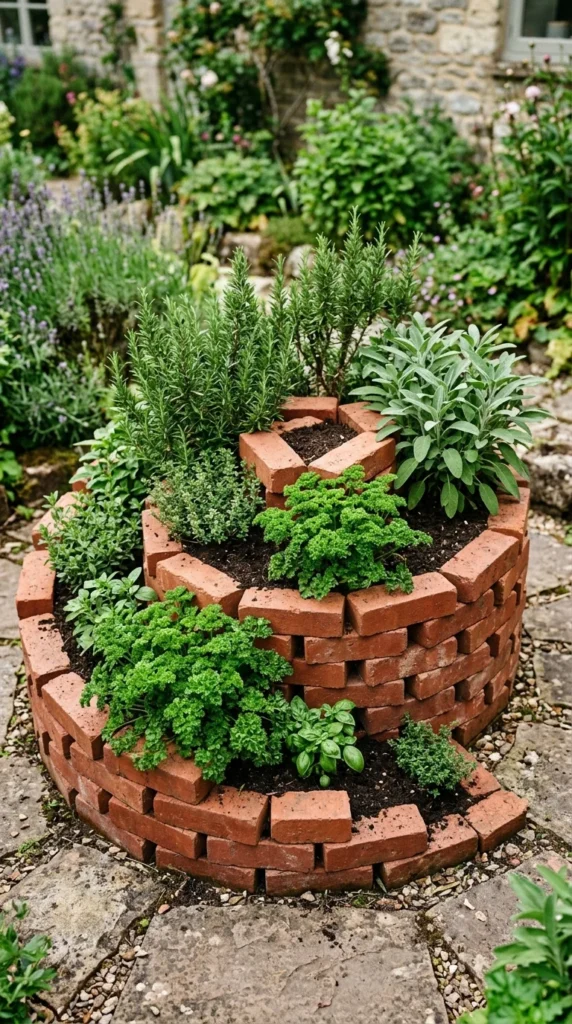
If you have very limited ground space but want a full kitchen garden, a herb spiral is a genius solution. By building upward in a corkscrew shape, you create different microclimates: the top is dry and sunny (perfect for rosemary and thyme), while the bottom is cool and moist (ideal for mint and parsley). It packs a massive amount of production into a tiny circular footprint.
6. Vintage Planters
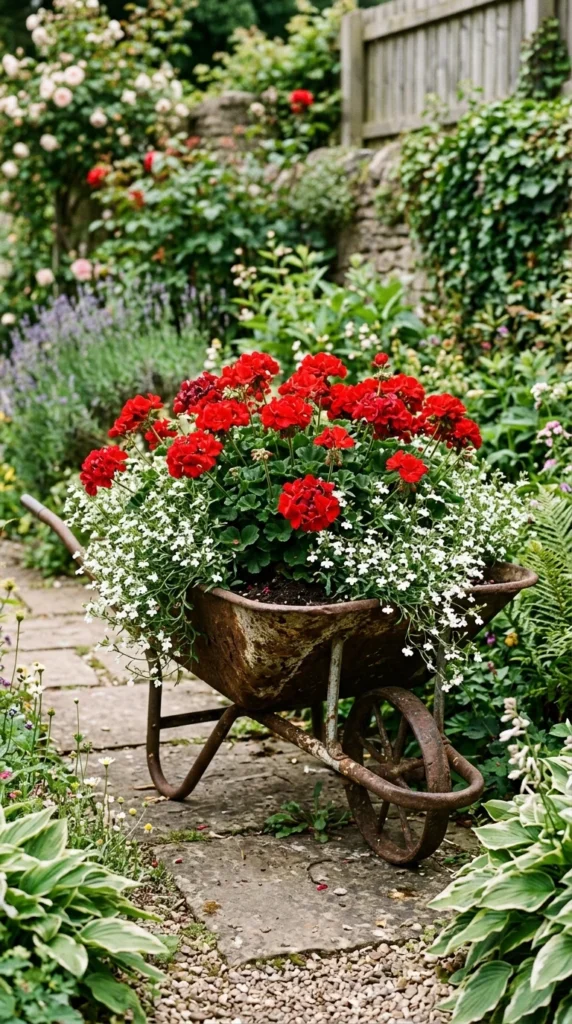
Cottage gardens are all about character and history. Instead of buying matching plastic pots, look for vintage items like galvanized buckets, old wooden crates, or even an antique clawfoot tub. Using vertical containers of varying heights adds visual interest and allows you to grow plants on balconies, patios, or atop stone walls where soil might be scarce.
7. Window Boxes
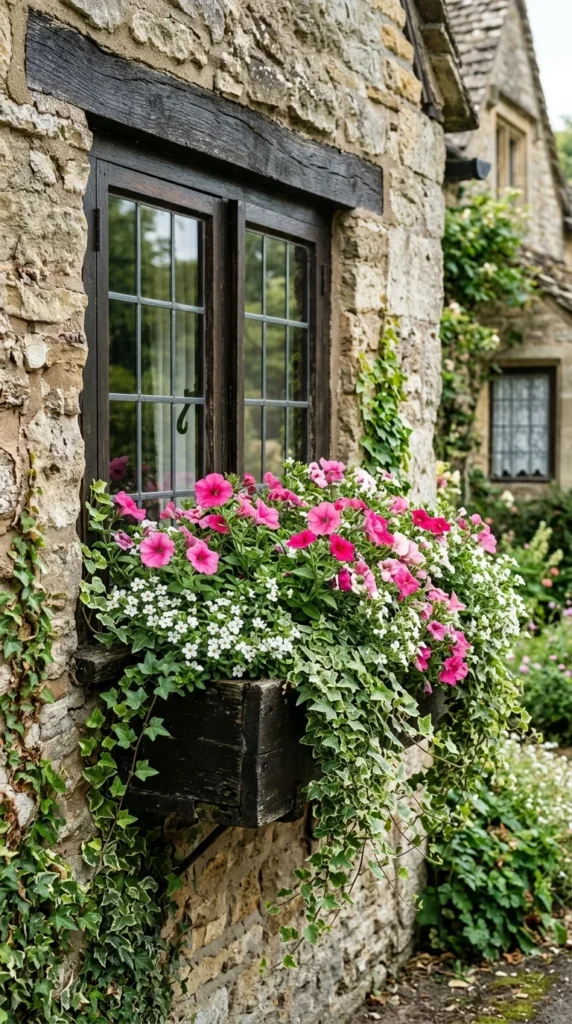
Don’t let your gardening stop at the ground level. Window boxes extend the garden upward and bring the fragrance of jasmine or stocks directly into your home. In a small garden, these boxes add a layer of greenery that doesn’t take up any floor space, making the exterior of your home feel like a living part of the landscape.
8. Bird Baths
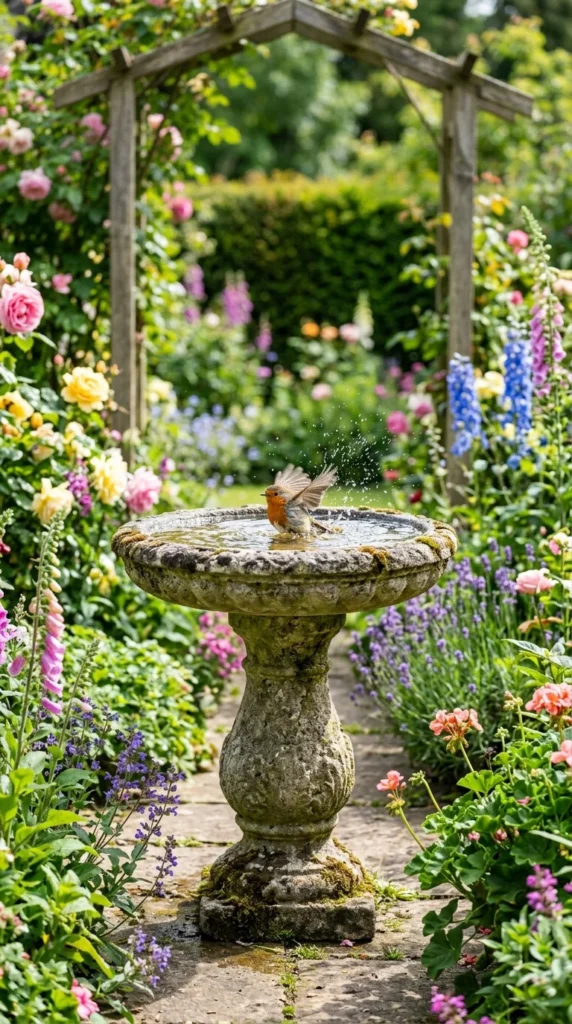
Every garden needs a focal point to draw the eye. In a small space, a large statue might feel overwhelming, but a simple stone bird bath fits perfectly. Not only does it provide a classic cottage aesthetic, but it also invites wildlife into your space. Surround it with low-growing flowers to create a “theater” for watching birds from your window.
9. Garden Arches
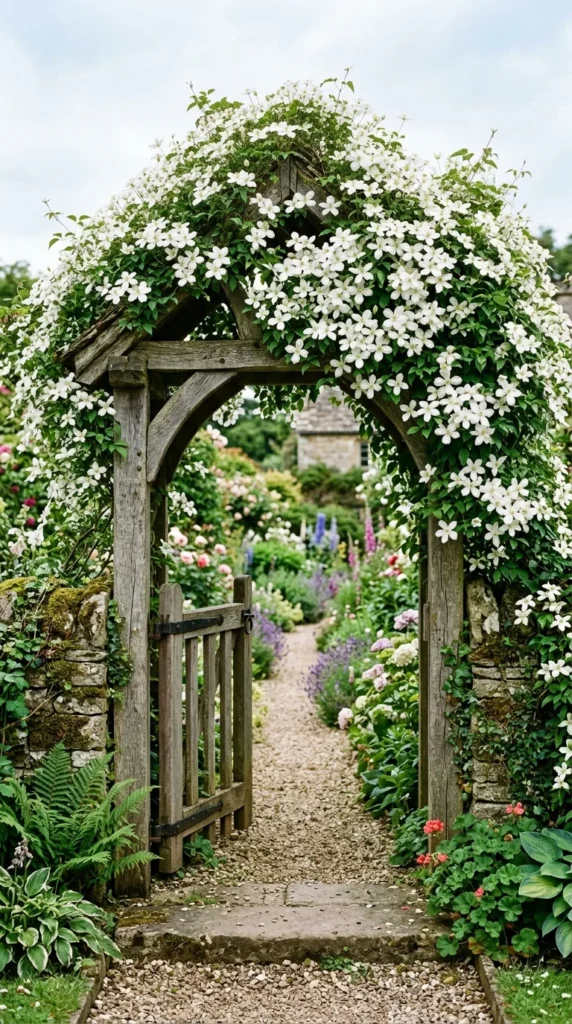
An archway creates an “entrance” to your garden, even if that garden is only a few meters long. It tricks the brain into thinking you are transitioning into a new, hidden world. Growing fragrant climbers like honeysuckle over an archway provides a vertical hit of perfume that greets you every time you walk through, making the space feel immersive and luxurious.
10. Meadow Grasses
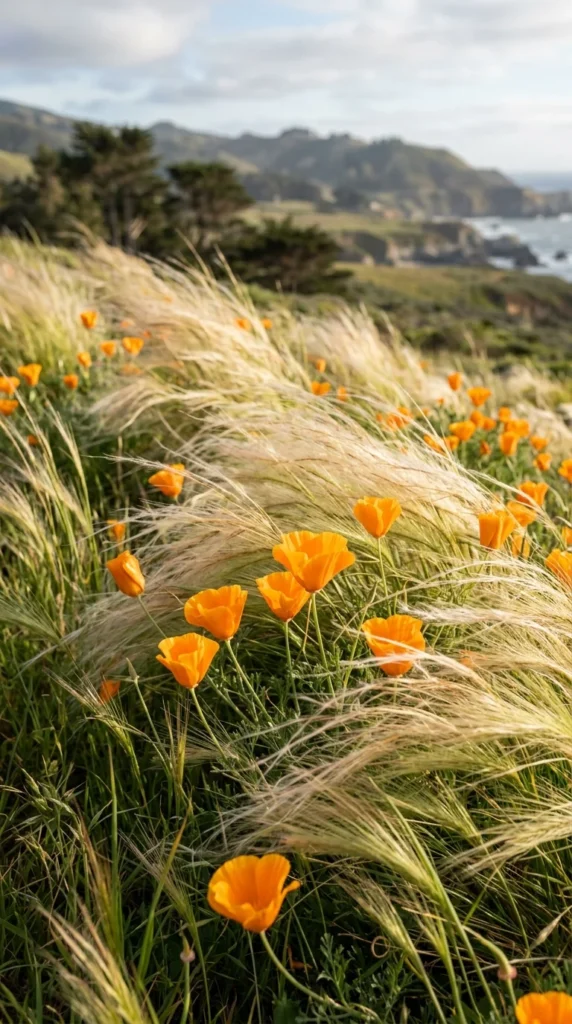
Traditional lawns are a waste of space in a tiny cottage garden. Instead, consider replacing sections of grass with ornamental grasses and wildflowers. Species like Briza media or Stipa tenuissima add movement and a “blurred” quality to the garden, which softens hard edges and creates a dreamy, meadow-like atmosphere in a fraction of the space.
11. Secret Seating
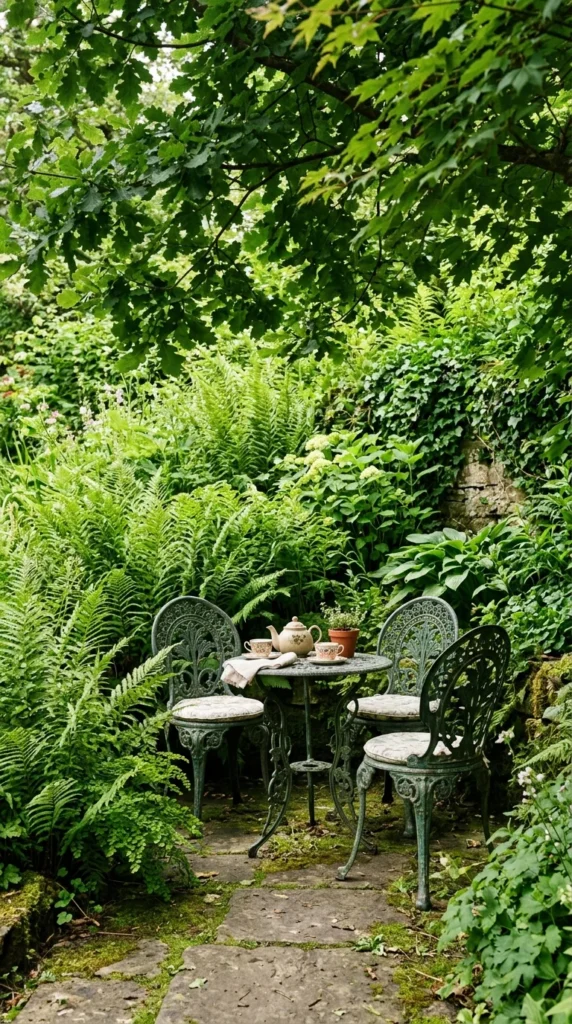
Even the smallest garden should have a place to sit. A tiny bistro set or a single weathered bench tucked into a corner makes the garden feel like a functional room. Choose furniture with slim profiles—filigree metal or slats—so that you can see through the furniture to the plants behind it, preventing the space from feeling blocked.
12. Stone Edging
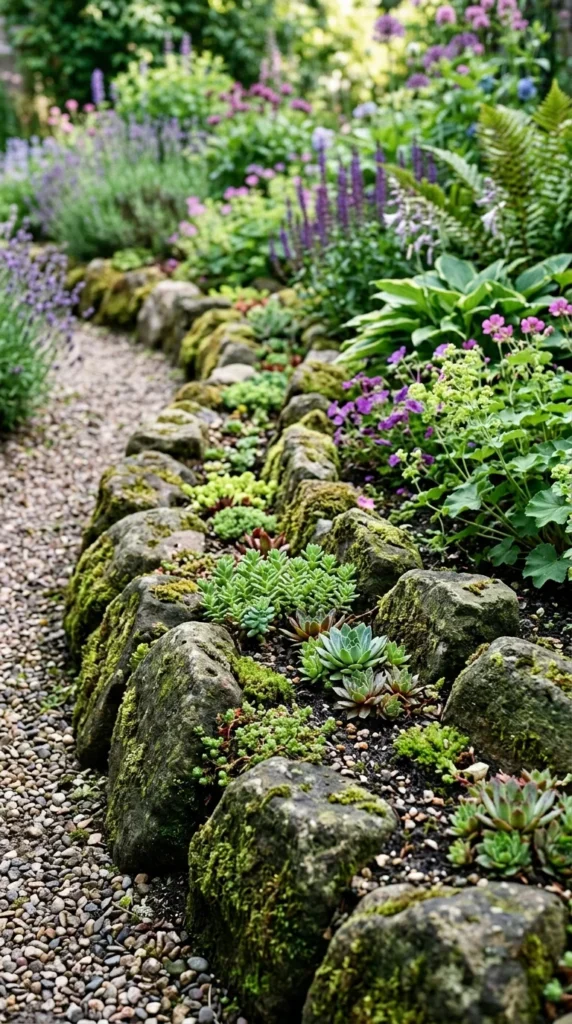
Clean lines are essential when you are packing a lot of plants into a small area. Using natural stone to edge your beds provides a rustic, permanent boundary. These stones also hold heat during the day, which can help nearby plants stay warm at night, and they offer a perfect habitat for beneficial insects.
13. Self-Seeding Flowers
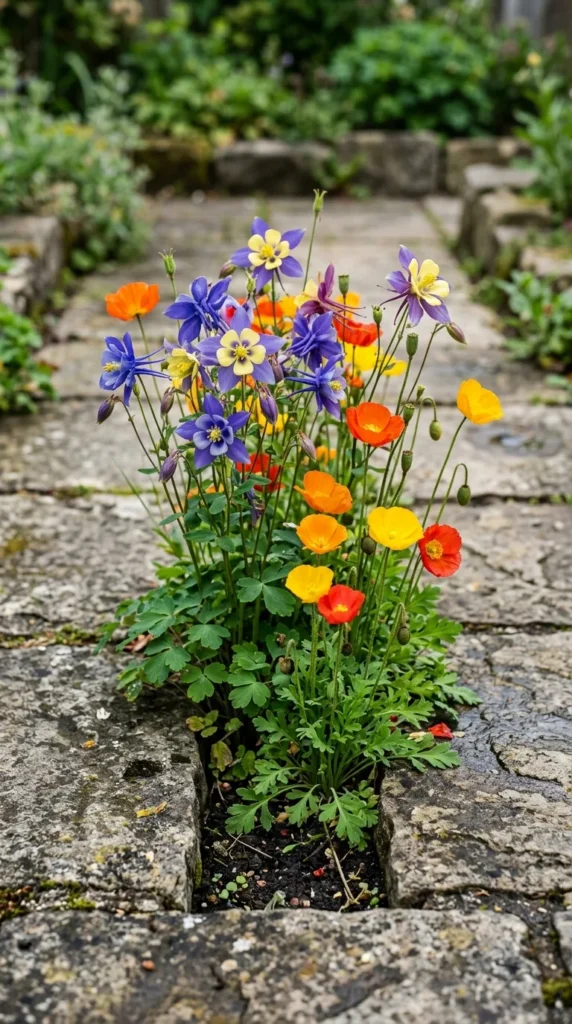
The true hallmark of a cottage garden is spontaneity. Plants like Nigella (Love-in-a-mist), Poppies, and Forget-me-nots are prolific self-seeders. Let them pop up in the cracks of your patio or between other perennials. This “random” growth fills every tiny gap with color and creates a sense of abundance that looks completely natural.
14. Arched Gateways
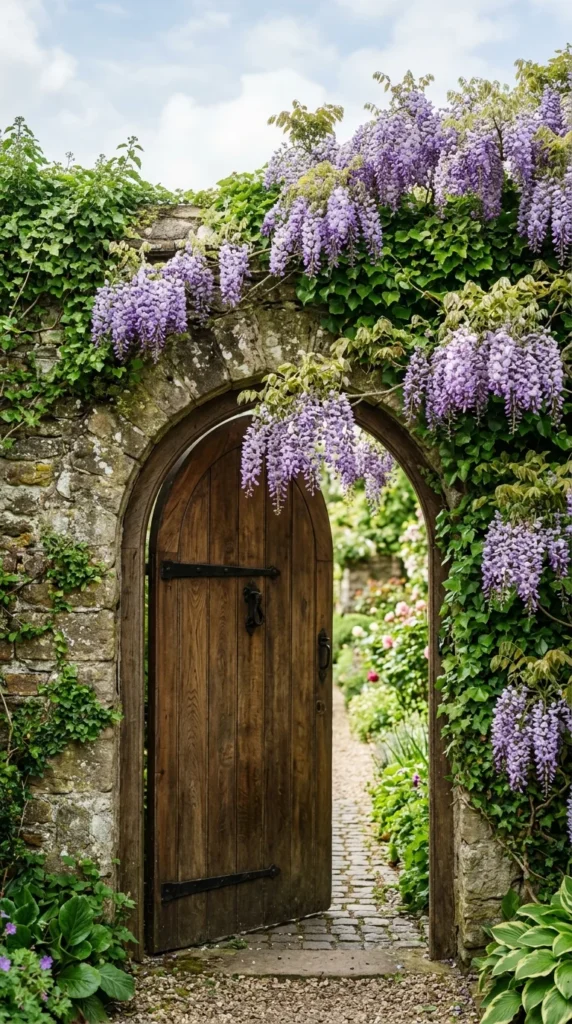
If your garden is enclosed by a wall or a high fence, an arched gateway adds a sense of mystery. Even if the gate leads to a simple alley or a tool shed, the shape itself is iconic to cottage design. It breaks up the flat plane of a wall and adds a romantic, architectural element that draws the eye upward.
15. Vertical Trellises
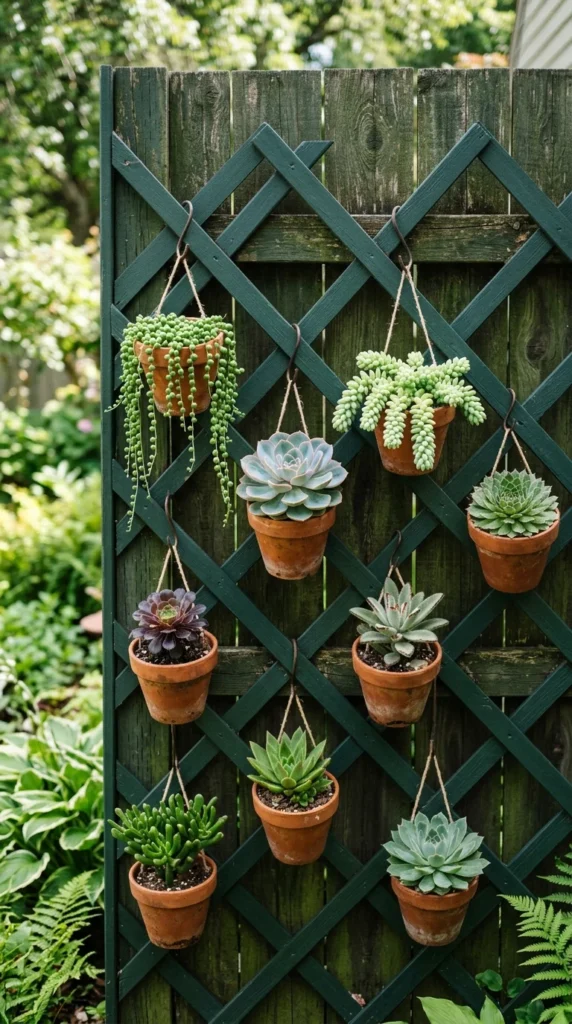
When horizontal space is gone, look to your fences. A simple wooden or metal trellis can support not just climbing plants, but also hanging pots. This “living wall” approach allows you to grow strawberries, herbs, or small annuals in a vertical arrangement, effectively doubling your planting surface area.
16. Pastel Palettes
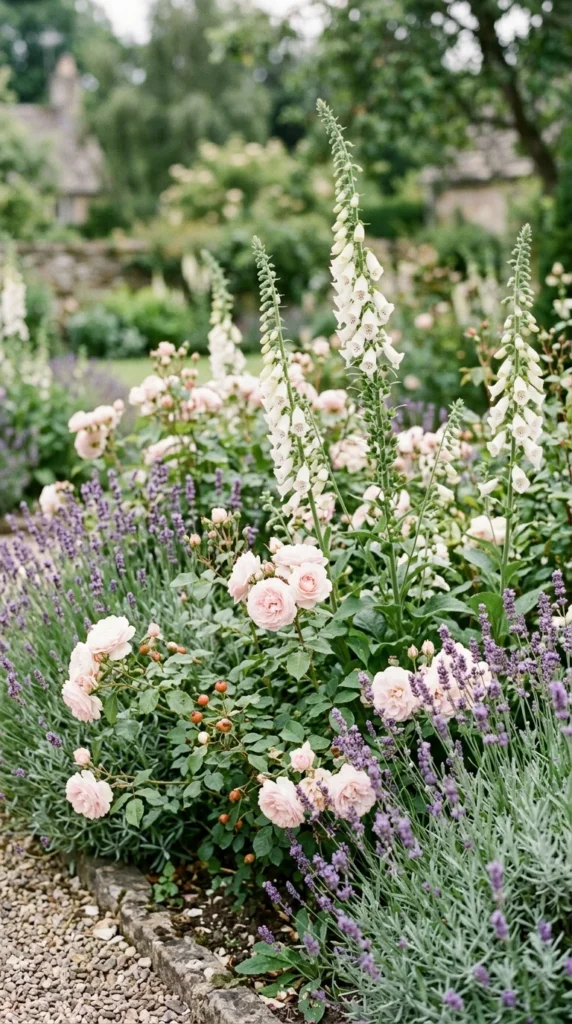
Color theory is vital in small spaces. While hot reds and oranges are exciting, they tend to “advance” toward the eye, making a space feel smaller. Pastel shades—lavender, soft pink, pale blue, and cream—tend to “recede,” creating an optical illusion of more space and a much more tranquil, airy atmosphere.
17. Water Features
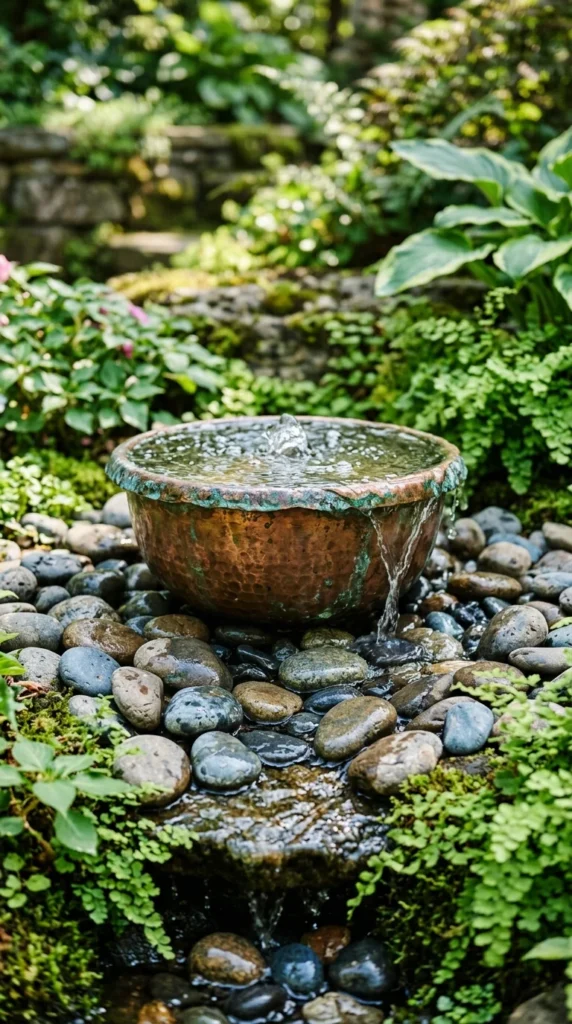
You don’t need a pond to have a water feature. A small “plug-and-play” fountain or a simple stone trough with a solar pump adds the soothing sound of running water. This sound helps drown out city noise, making your small garden feel like a secluded, private oasis far removed from the outside world.
18. Woven Hurdles
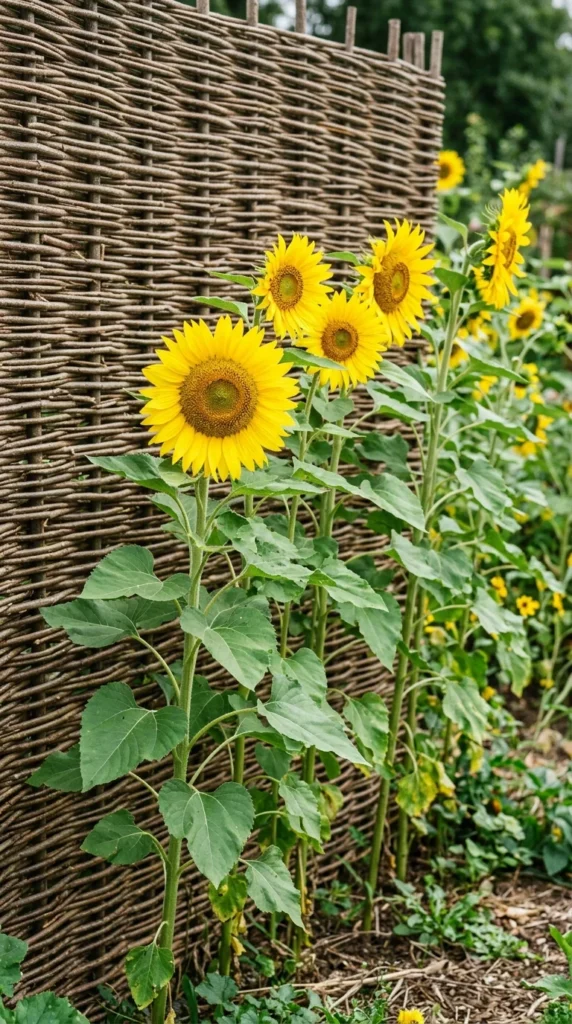
For a truly traditional English cottage look, use woven willow or hazel hurdles instead of standard pressure-treated fencing. The natural texture and earthy tones of the wood blend seamlessly with the plants. Because they are slightly “see-through” and organic in shape, they feel less like a hard barrier and more like a natural extension of the forest or field.
19. Mixing Edibles
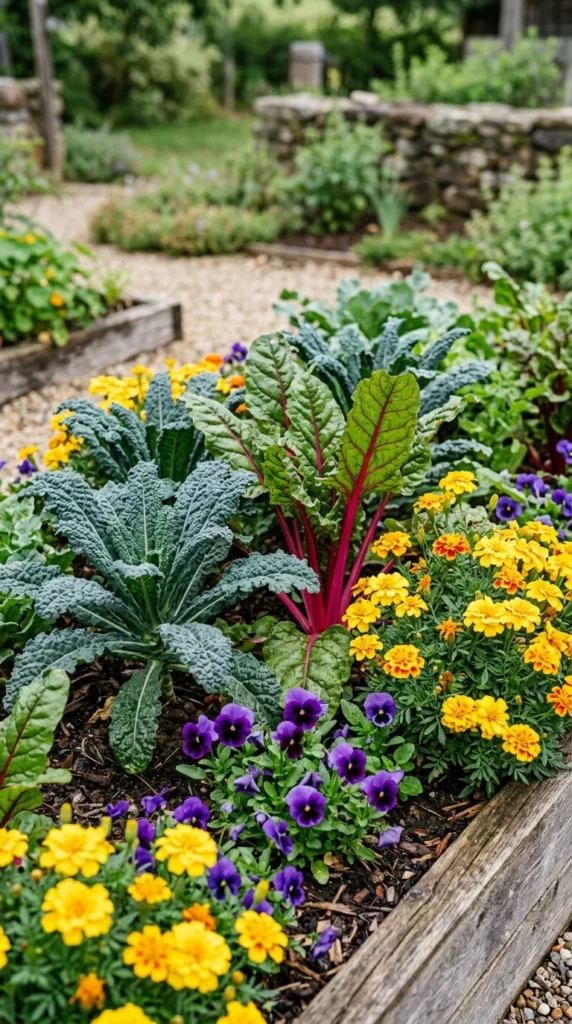
In a small garden, every plant has to work hard. The “potager” style involves mixing vegetables and herbs directly into your flower borders. The dark, crinkly leaves of kale look stunning next to pink roses, and the bright flowers of chives or runner beans provide both food and beauty. This eliminates the need for a separate, utilitarian veg patch.
20. Garden Mirrors
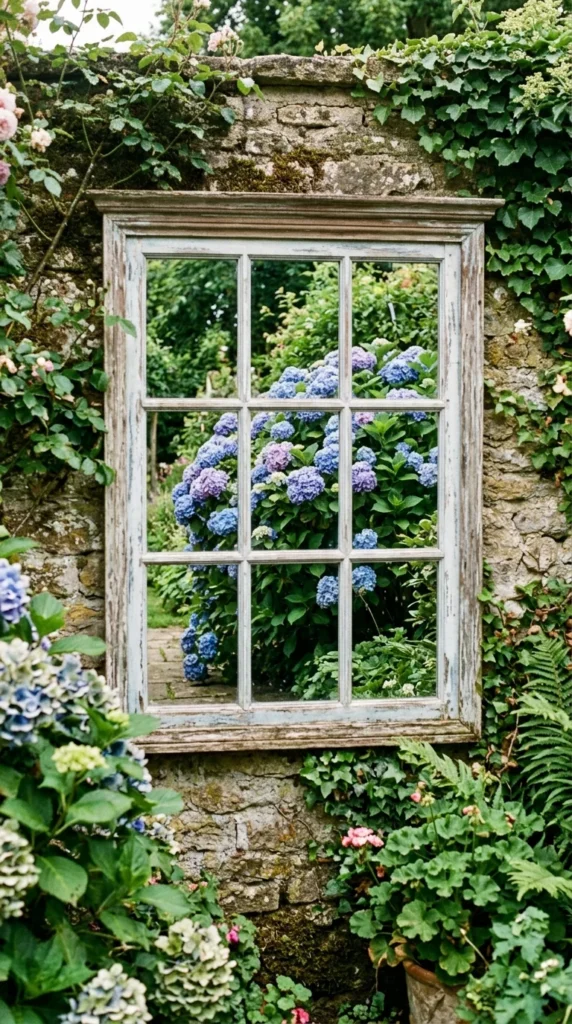
Mirrors are a classic interior design trick that works wonders outdoors too. By placing a mirror (ideally one designed for outdoor use) on a back wall or fence, you reflect light and greenery back into the space. A window-shaped mirror can trick the eye into thinking there is a whole other garden “room” hidden behind the wall.
21. Terraced Beds
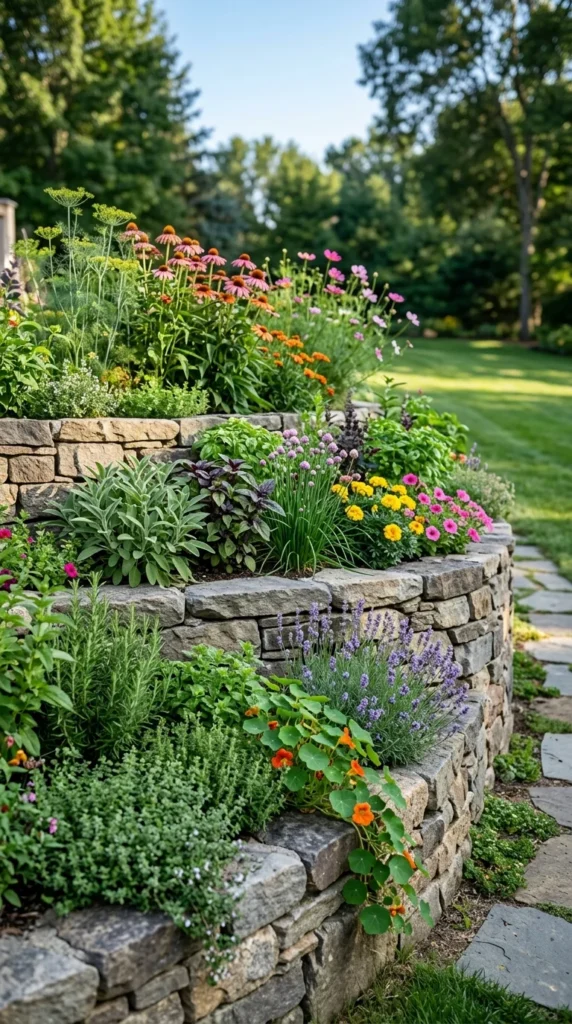
If your small garden is on a slope, don’t fight it—terrace it. Small stone or timber retaining walls create flat “steps” of soil. This not only prevents erosion but also allows you to view your plants at different eye levels. It makes a tiny, sloped yard feel much larger and more structured.
22. Fairy Lights
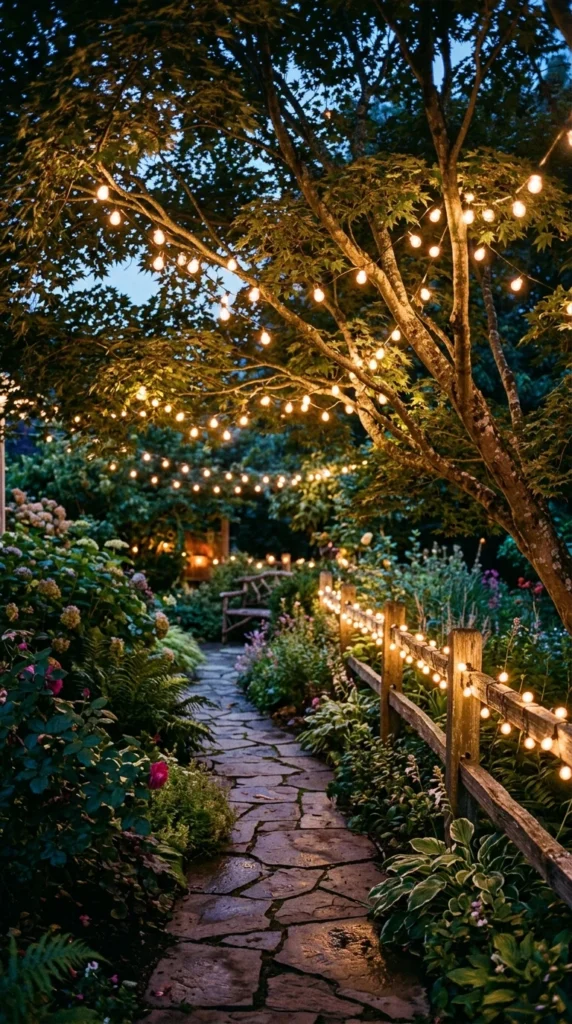
To make the most of your garden, you need to be able to use it after the sun goes down. Stringing warm “fairy” lights or festoon bulbs through your climbing plants or along the eaves of a shed adds a magical, evening glow. In a small space, this lighting creates a cozy, “wrapped” feeling that makes the garden feel like an extension of your living room.
23. Dense Foliage
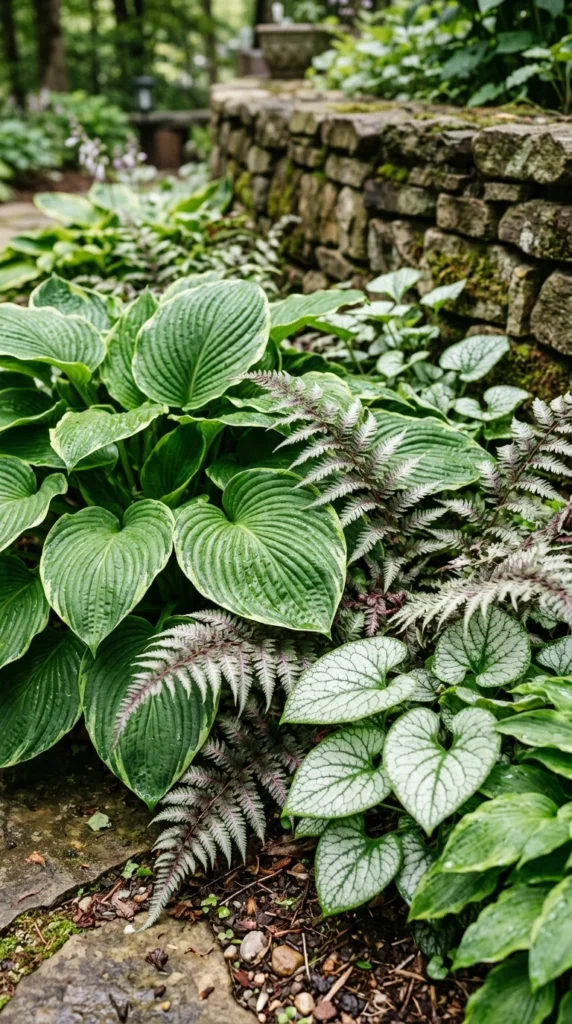
Don’t be afraid to plant “shoulder to shoulder.” In a cottage garden, bare soil is a missed opportunity. Use groundcovers like Ajuga or sweet woodruff to carpet the floor, and pack your perennials close enough that their leaves touch. This density suppresses weeds, retains moisture, and creates that iconic, lush “overgrown” look that makes every inch of your garden feel alive.