

The Panda Plant (Kalanchoe tomentosa), often referred to as the “Chocolate Soldier” or “Pussy Ears,” is one of the most endearing succulents a beginner can bring into their home. Native to the arid regions of Madagascar, this plant is famous for its thick, fleshy leaves covered in tiny, silvery hairs that give it a soft, felt-like texture. Whether you are a seasoned “plant parent” or a complete novice, mastering the care of this quirky succulent is a rewarding experience.
Below is a comprehensive guide broken down into 23 essential tips to help your Panda Plant thrive for years to come.
1. Lighting
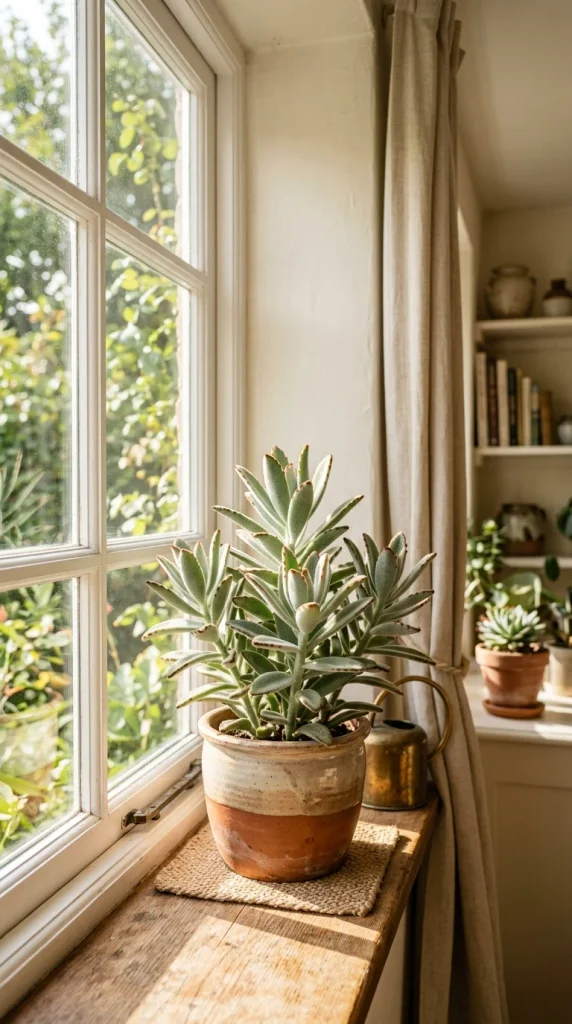
The Panda Plant loves light. To keep those iconic brown markings vivid and the growth compact, place your plant in a spot that receives at least six hours of bright, indirect sunlight daily. While they can tolerate some direct morning sun, harsh afternoon rays in mid-summer can sometimes scorch the delicate “fuzz” on their leaves. If you notice your plant stretching toward the window, it is a clear sign it needs more light.
2. Watering
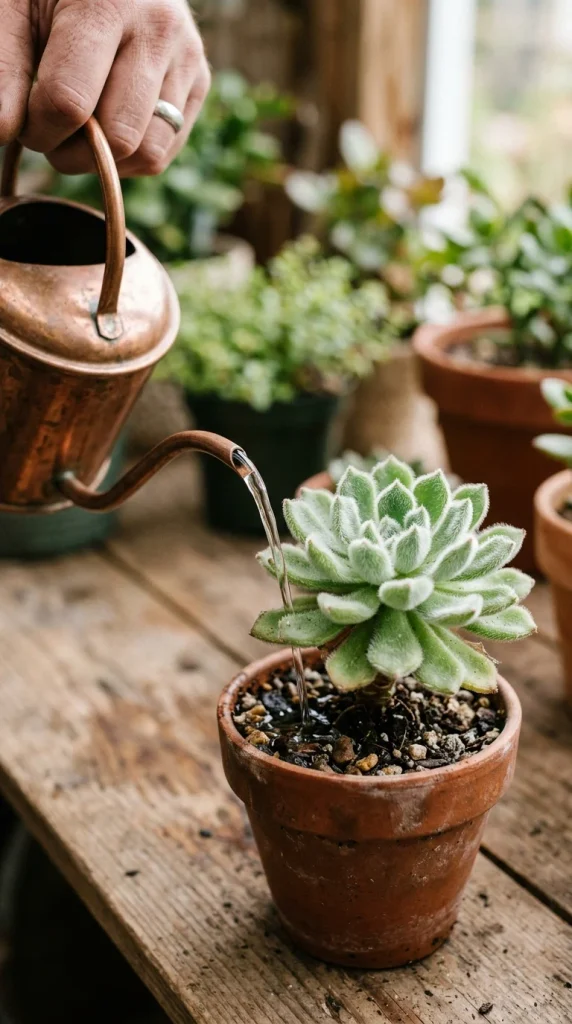
When it comes to watering, less is always more. The Panda Plant stores water in its thick leaves, making it highly drought-tolerant. Use the “soak and dry” method: water the soil thoroughly until it drains out the bottom, then wait until the soil is completely dry before watering again. Overwatering is the fastest way to kill this plant, as it leads to root rot.
3. Soil
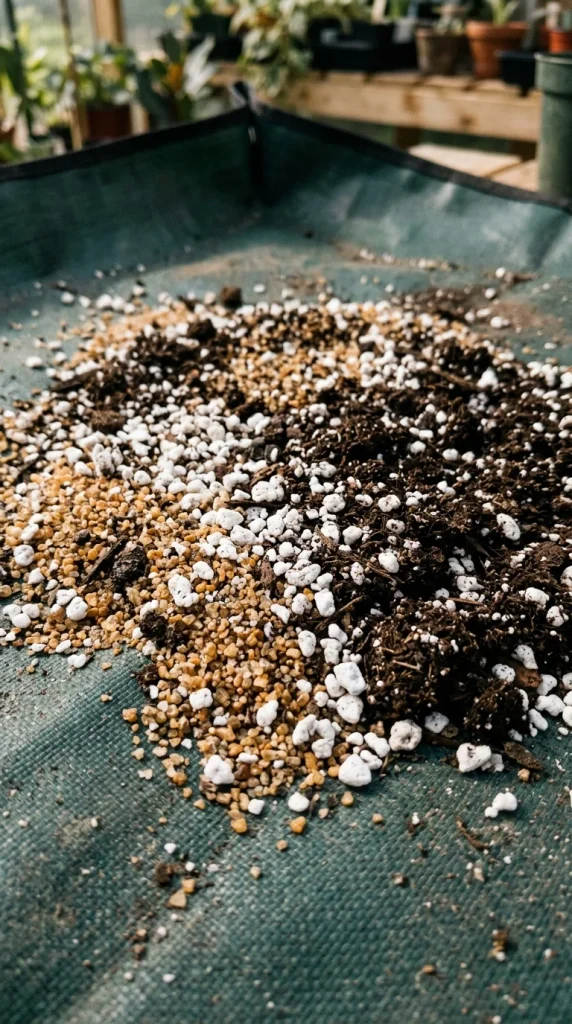
Standard potting soil is too dense for a Panda Plant. They require a gritty, well-draining medium to thrive. A commercial cactus or succulent mix is usually perfect. If you want to make your own, mix two parts potting soil with one part perlite and one part coarse sand. This ensures that water moves through the pot quickly and oxygen can reach the roots.
4. Containers
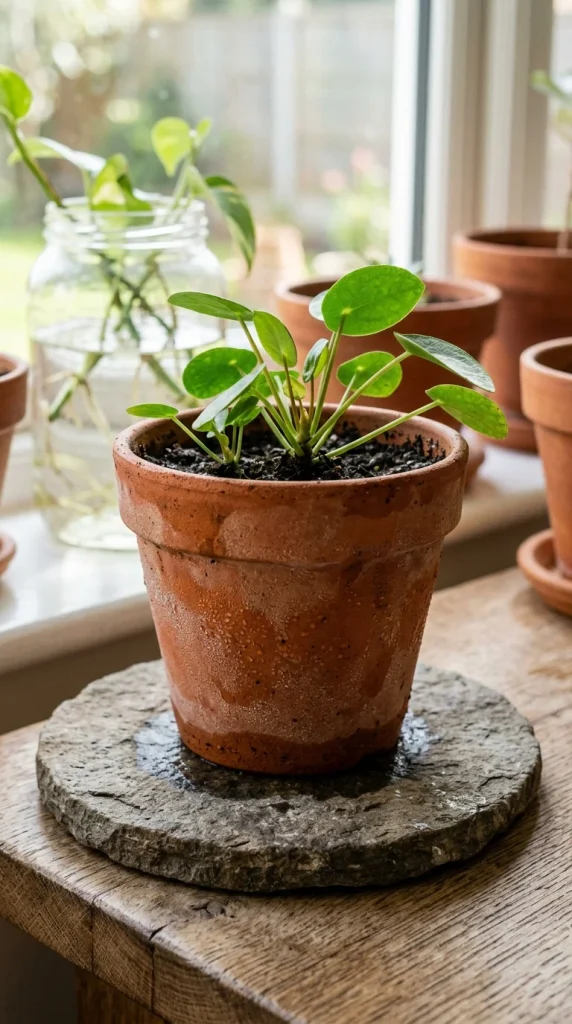
Choosing the right pot is just as important as the soil. Terracotta or unglazed ceramic pots are ideal because they are porous and allow excess moisture to evaporate through the walls. Regardless of the material, ensure the pot has at least one large drainage hole at the bottom. Avoid glass terrariums or pots without holes, as they trap moisture and create a graveyard for succulents.
5. Temperature
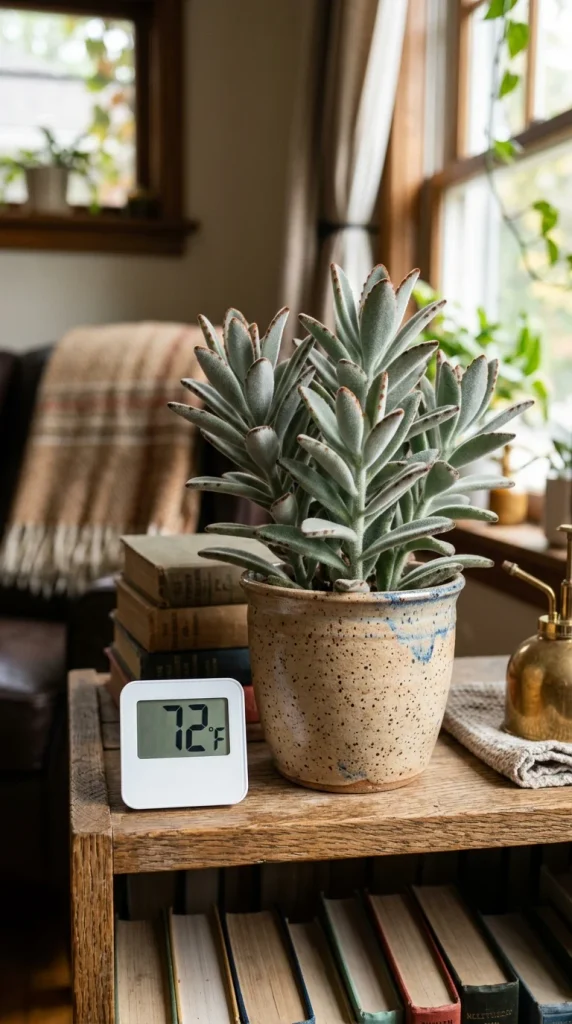
Being from Madagascar, the Panda Plant enjoys a warm environment. It thrives in temperatures between 60°F and 75°F (15°C to 24°C). While it can handle slightly cooler temperatures at night, it is not frost-tolerant. Keep it away from drafty windows in the winter and air conditioning vents in the summer to avoid temperature shocks.
6. Humidity
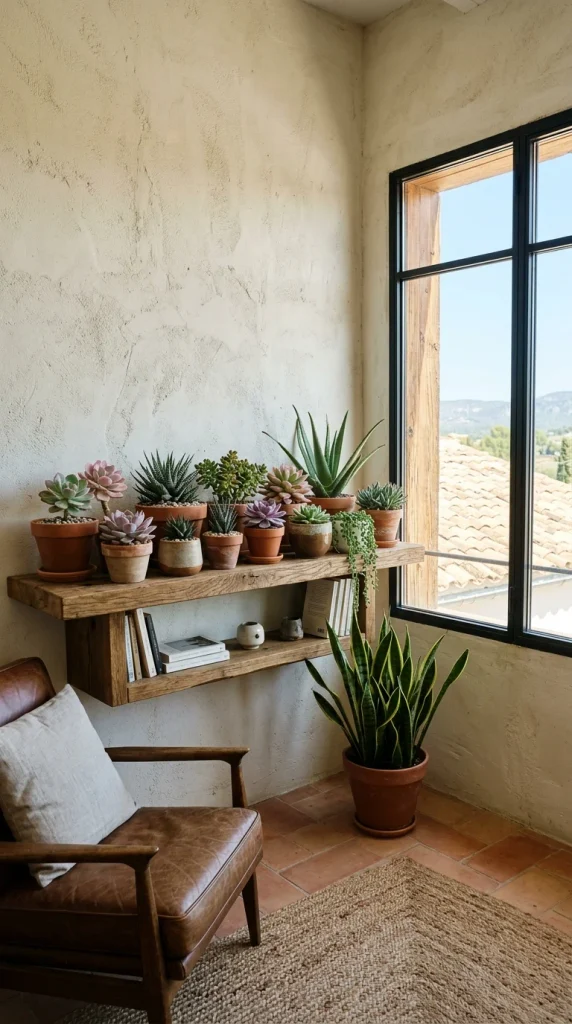
Unlike many tropical houseplants, the Panda Plant prefers low humidity. The “hairs” on its leaves are actually an adaptation to help the plant retain moisture in dry climates. High humidity can lead to fungal issues and rot. Never mist your Panda Plant; the moisture trapped in the velvety fur can cause the leaves to decay.
7. Fertilizer
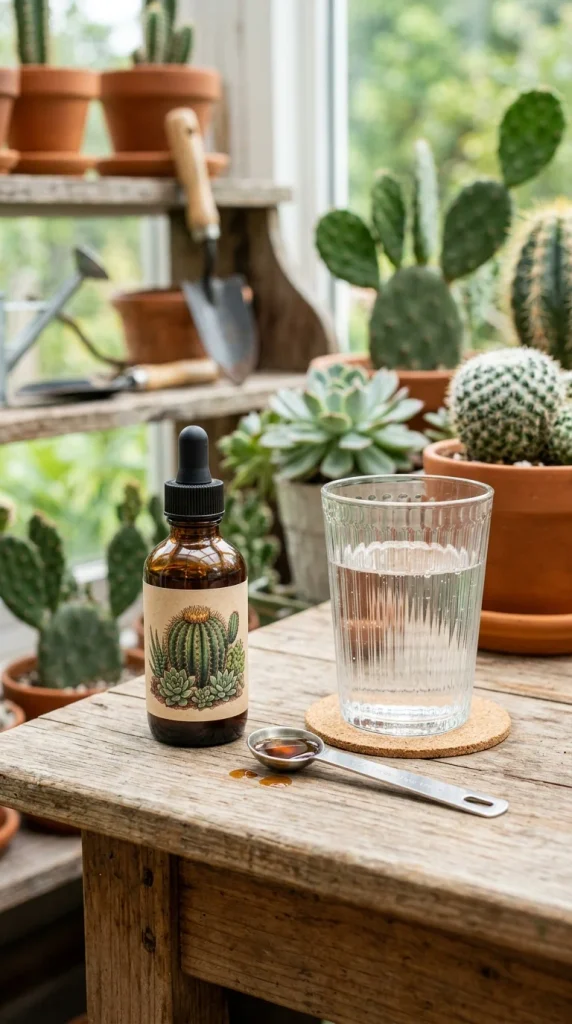
Panda Plants aren’t heavy feeders. You only need to fertilize them once a month during the growing season (spring and summer). Use a balanced, liquid houseplant fertilizer or a specific succulent fertilizer diluted to half-strength. Refrain from feeding during the fall and winter months when the plant’s growth naturally slows down.
8. Propagation
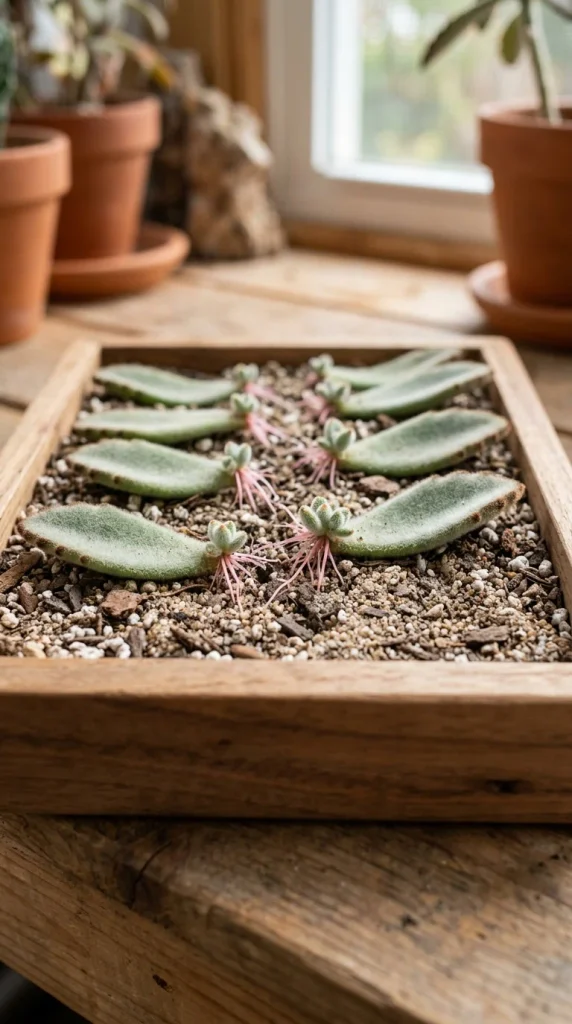
One of the most fun parts of owning a Panda Plant is how easily it propagates. Simply snap off a healthy leaf, let it “callous” over for two or three days in a dry spot, and then lay it on top of moist succulent soil. In a few weeks, you’ll see tiny pink roots and a miniature plant emerging from the base.
9. Pruning
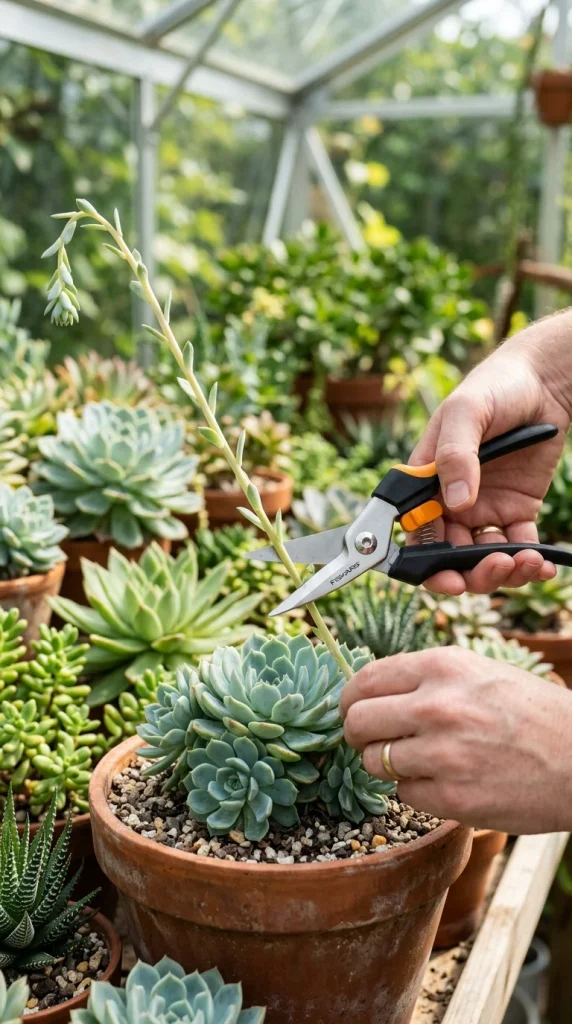
If your Panda Plant becomes too tall or “leggy,” don’t be afraid to prune it. Pruning encourages the plant to branch out and become bushier. Use sterilized scissors or shears to cut the stem. You can then use the cutting to start a brand new plant!
10. Pests
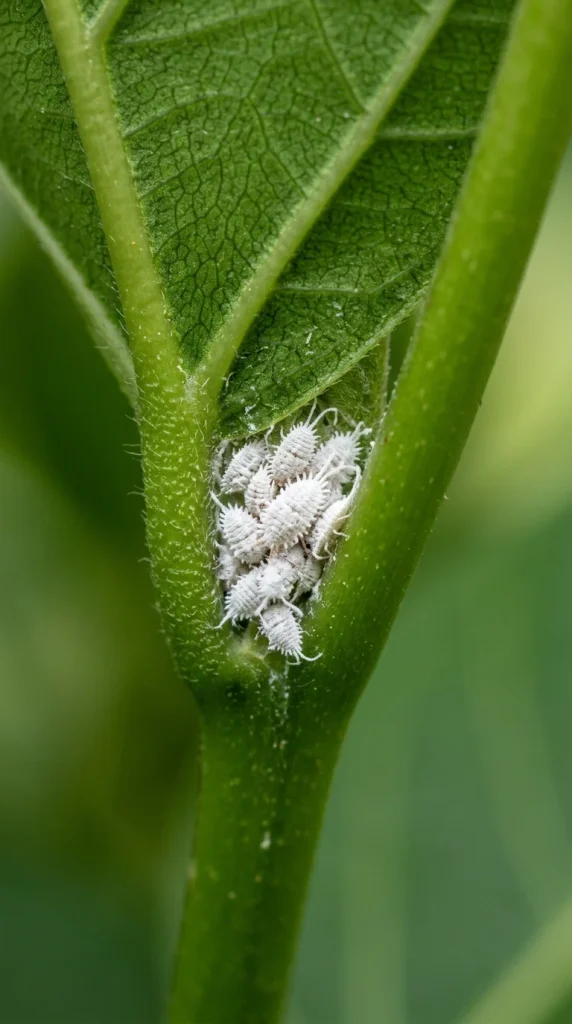
While generally hardy, Panda Plants can occasionally fall victim to mealybugs or aphids. Mealybugs look like tiny bits of white cotton hiding in the leaf joints. If you spot them, treat the plant immediately by dabbing the pests with a cotton swab dipped in rubbing alcohol. Check the plant weekly to ensure the infestation hasn’t returned.
11. Diseases
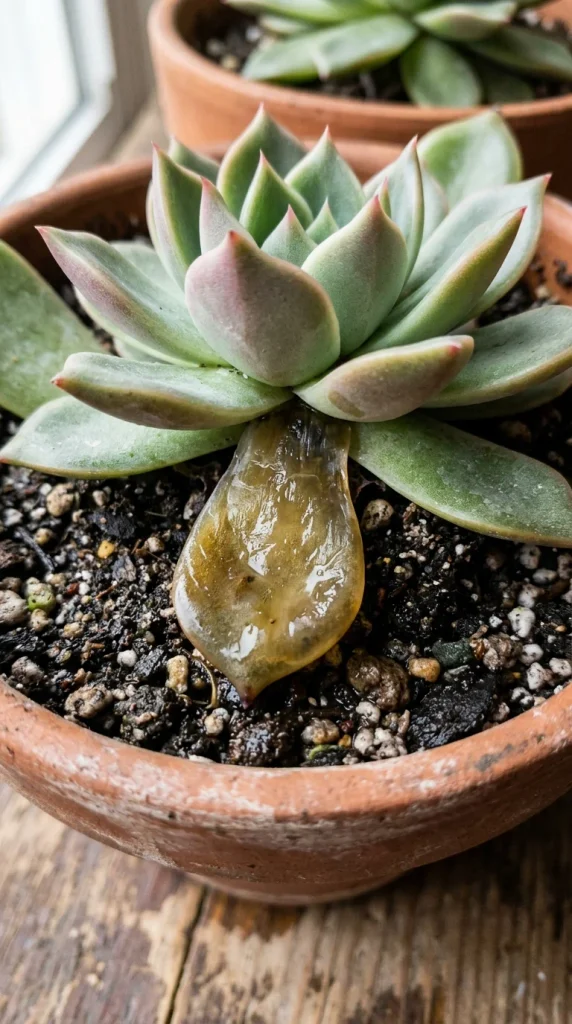
The most common disease for the Panda Plant is root rot, caused by excessive moisture. If you notice the leaves turning yellow, mushy, or translucent, check the roots. Healthy roots are firm and white; rotted roots are black and slimy. If caught early, you can save the plant by cutting away the rot and repotting in fresh, dry soil.
12. Toxicity
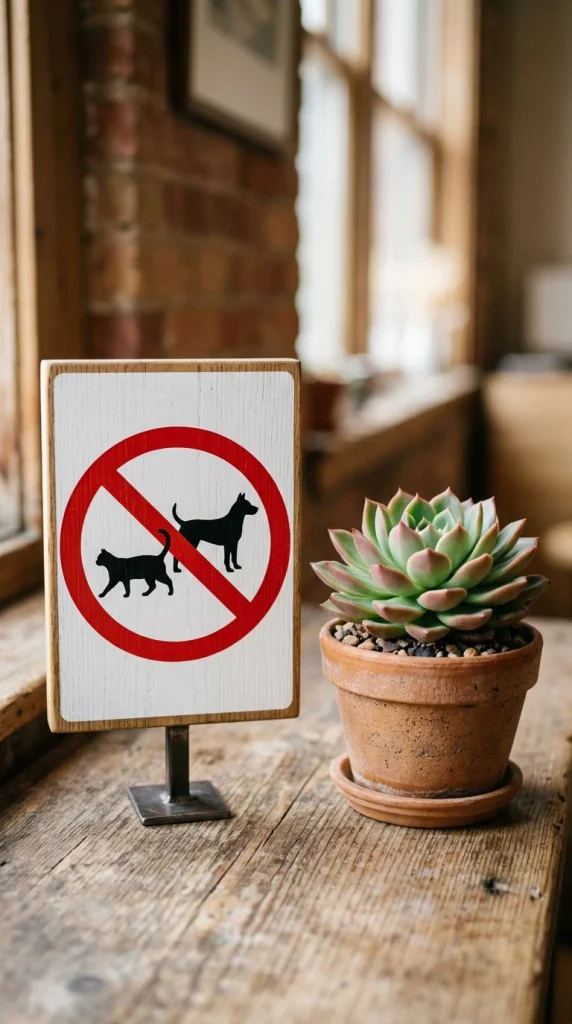
It is important to note that the Kalanchoe genus is toxic to cats, dogs, and even humans if ingested. The plant contains cardiac glycosides which can cause stomach upset, vomiting, or more serious heart issues in pets. Always keep your Panda Plant on a high shelf or in a hanging basket out of reach of curious nibblers.
13. Varieties
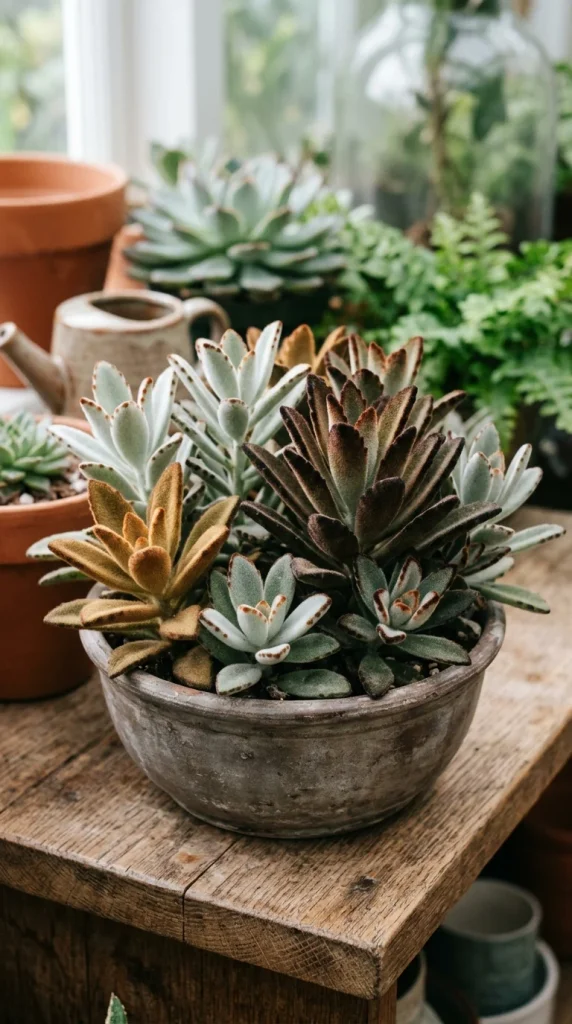
While the standard Kalanchoe tomentosa is the most common, there are several cultivars to look out for. The “Chocolate Soldier” has more intense brown edges, while “Golden Girl” has a yellowish-golden tint to its fuzz. “Black Tie” features even darker, almost black margins. Collecting the different varieties can make for a beautiful, textured display.
14. Growth Rate
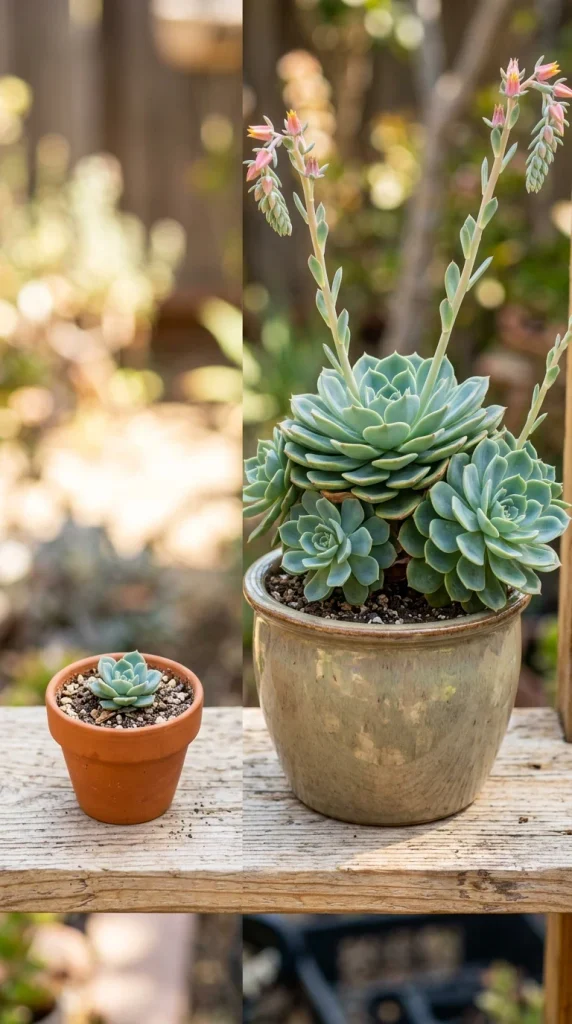
Panda Plants are slow-to-moderate growers. Indoors, they typically reach a height of 1 to 2 feet. Because they grow slowly, they don’t require frequent repotting or constant attention. This makes them ideal for office desks or small apartments where space is at a premium.
15. Repotting
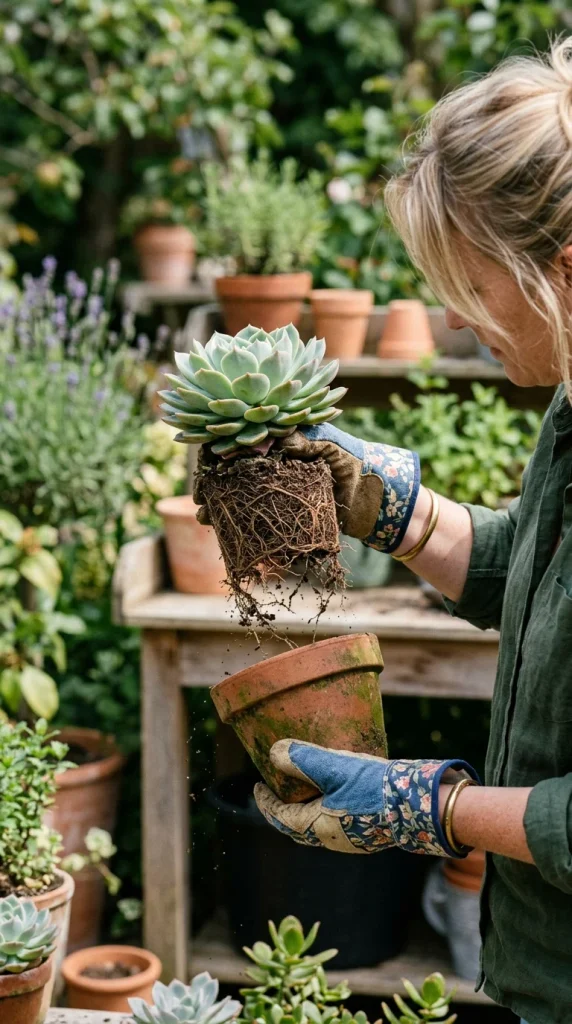
You should only need to repot your Panda Plant every two years or when it becomes top-heavy. Spring is the best time for this. When repotting, choose a container only one size larger than the current one. This prevents “over-potting,” where too much soil stays wet for too long around the small root system.
16. Flowering
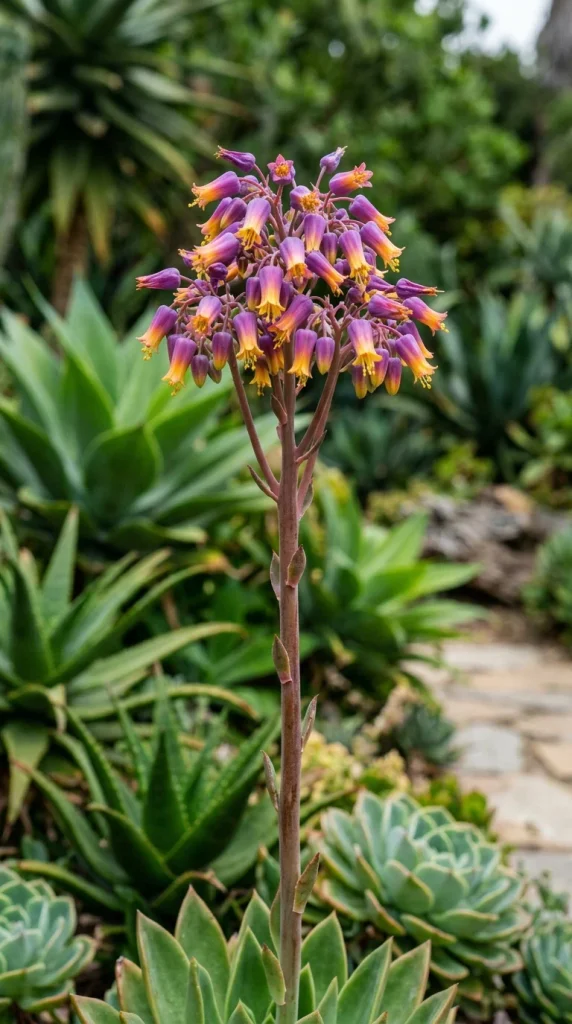
While rare indoors, a mature Panda Plant can produce small, bell-shaped flowers in the spring or summer. They are usually greenish-purple or yellow. To encourage blooming, ensure the plant gets plenty of light and a distinct resting period with cooler temperatures during the winter.
17. Dusting
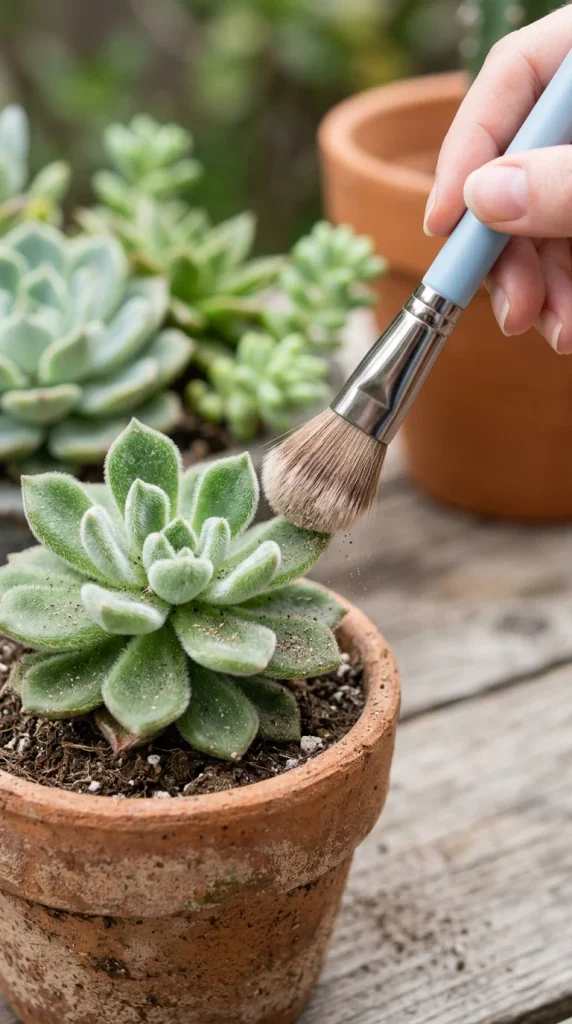
The fuzzy leaves are magnets for dust. Unlike smooth-leaved plants, you shouldn’t wipe them with a damp cloth, as this can damage the hairs. Instead, use a soft, dry paintbrush or a makeup brush to gently sweep away dust every few weeks. This keeps the “fur” looking silver and allows the plant to photosynthesize efficiently.
18. Winter Care
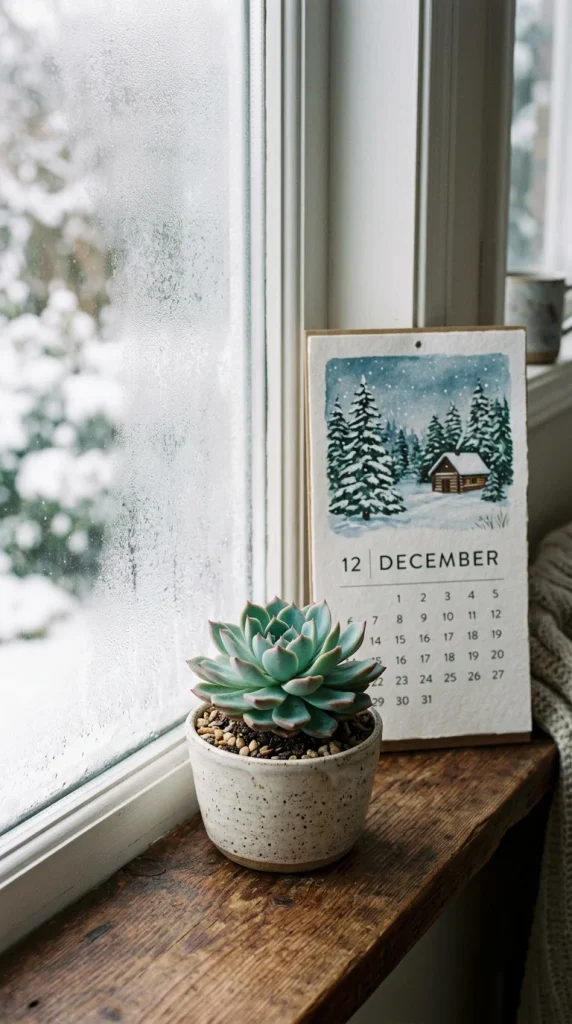
During the winter, the Panda Plant enters a dormant phase. Its water needs drop significantly. You might only need to water it once every 4 to 6 weeks. Move it away from freezing windowpanes, but ensure it still gets as much light as possible during the shorter days.
19. Summer Care
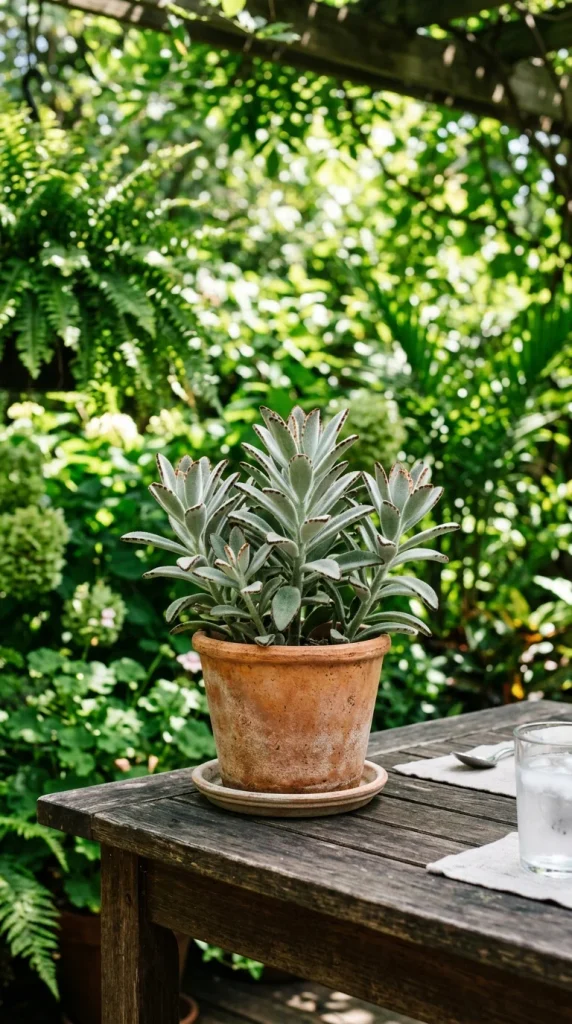
In the summer, you can move your Panda Plant outdoors to a porch or patio. The fresh air and natural light will give it a growth boost. However, make sure it is protected from heavy rain and intense, direct afternoon sun. Bring it back inside as soon as the nighttime temperatures start to dip below 55°F.
20. Placement
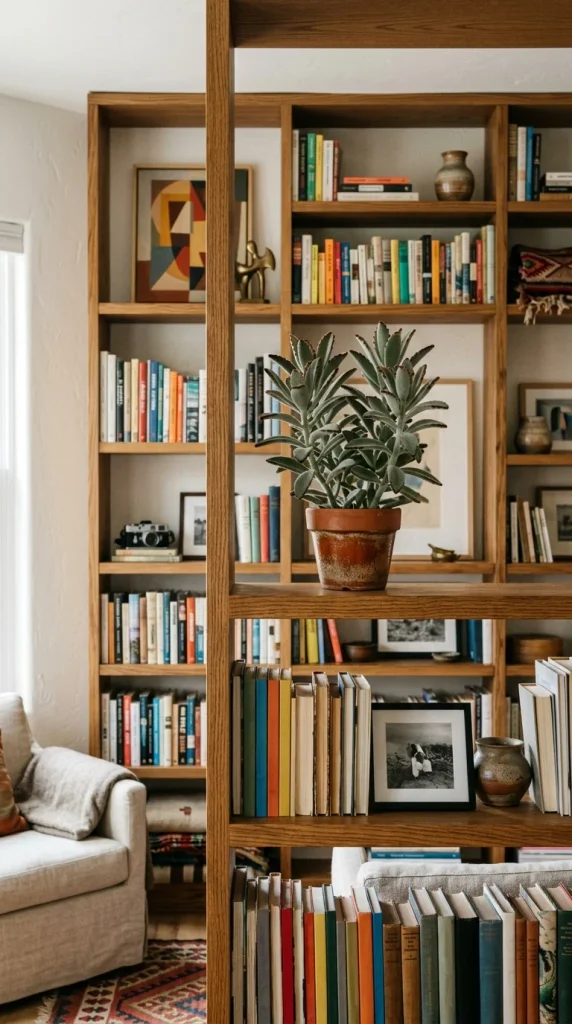
Because of its unique texture, the Panda Plant is a “tactile” plant. It looks best when grouped with other succulents of different textures, like the smooth Jade plant or the spiky Aloe Vera. Its silvery color provides a beautiful contrast to darker green plants.
21. Leaf Drop
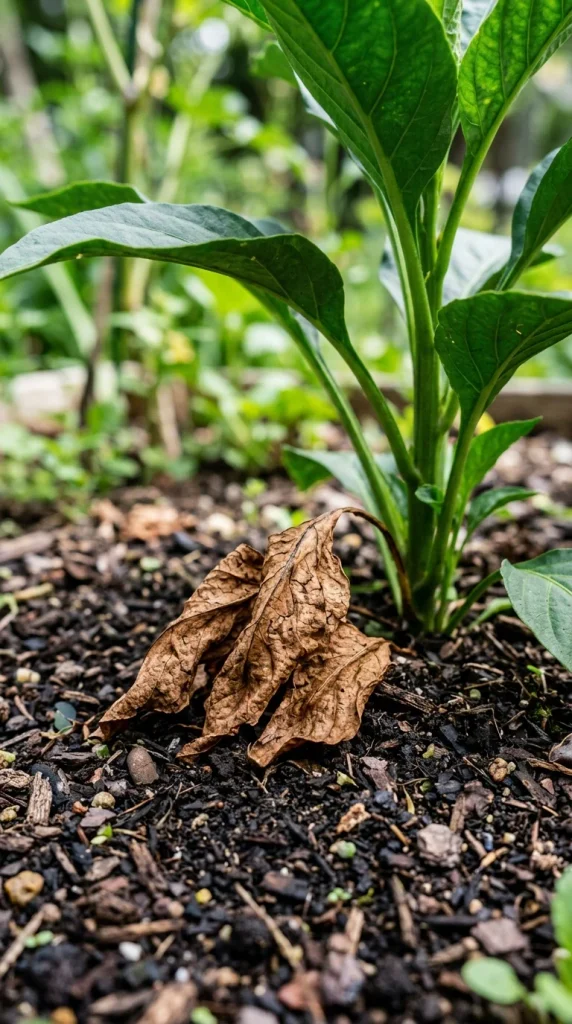
If your plant drops an occasional leaf at the very bottom of the stem, don’t panic! This is a natural part of the aging process as the plant makes room for new growth at the top. However, if leaves are falling off from the middle or top, or if they are dropping while still green, it is usually a sign of overwatering or extreme stress.
22. Legginess
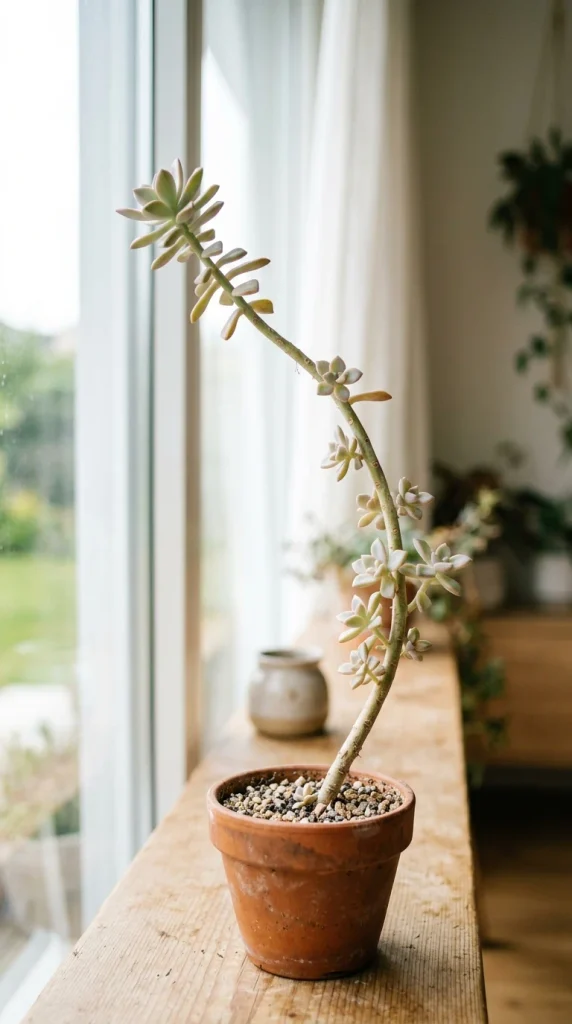
“Etiolation” or legginess happens when the plant doesn’t get enough light. The stem becomes weak, thin, and the leaves grow far apart. If your plant is already leggy, the best fix is to “behead” it: cut off the compact top part, let it callous, and replant it. Then, move the new plant to a much brighter location.
23. Grouping
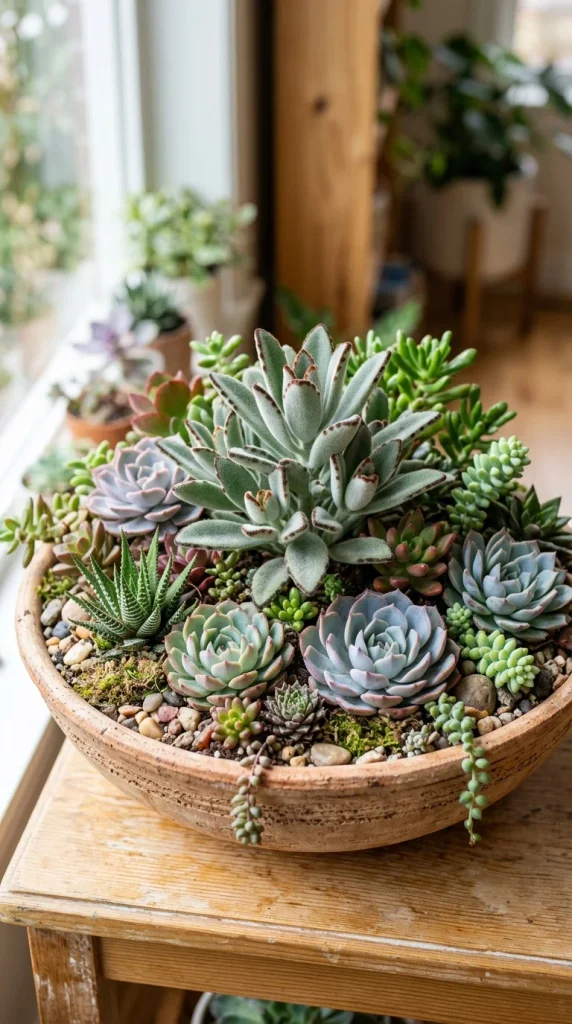
Panda Plants are social! They grow very well when planted with other succulents that have similar water and light requirements. Creating a succulent “community” pot is a great way to display the Panda Plant’s unique silver hue against the reds, purples, and greens of other species like Echeveria or Sedum.