

The String of Hearts (Ceropegia woodii) is a beloved succulent-like vine known for its delicate, heart-shaped leaves and impressive trailing speed. Whether you are a seasoned collector or a beginner, mastering the care of this South African native ensures a curtain of silver and green foliage. Here are 28 essential tips to keep your String of Hearts thriving.
1. Bright Light
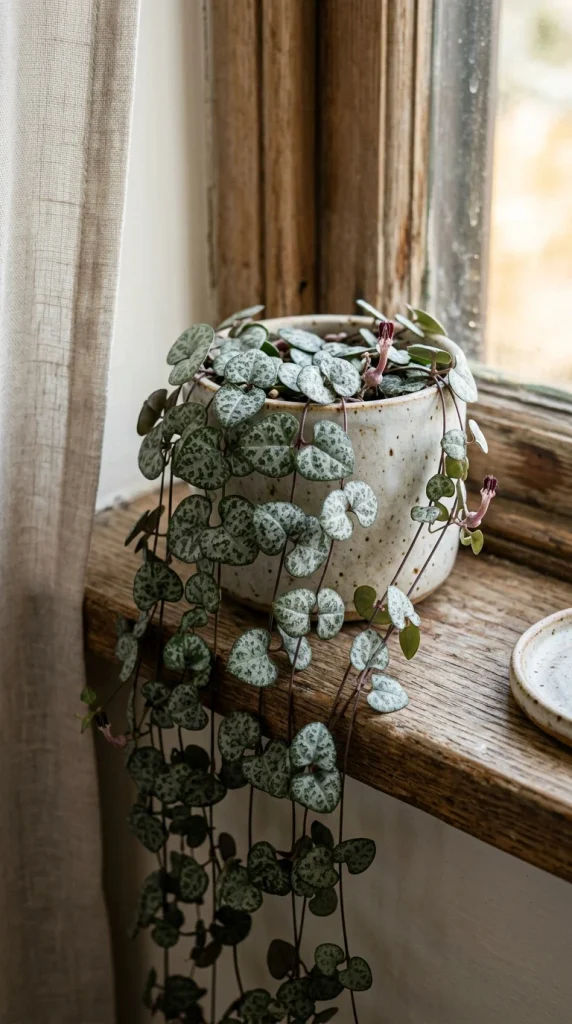
The String of Hearts thrives in bright, indirect light. While it can tolerate some direct morning sun, harsh afternoon rays can scorch the delicate leaves. If the plant doesn’t get enough light, the “hearts” will grow further apart, leading to a leggy, sparse appearance. For the best color and leaf density, place it near a south or west-facing window with a sheer curtain.
2. Infrequent Watering
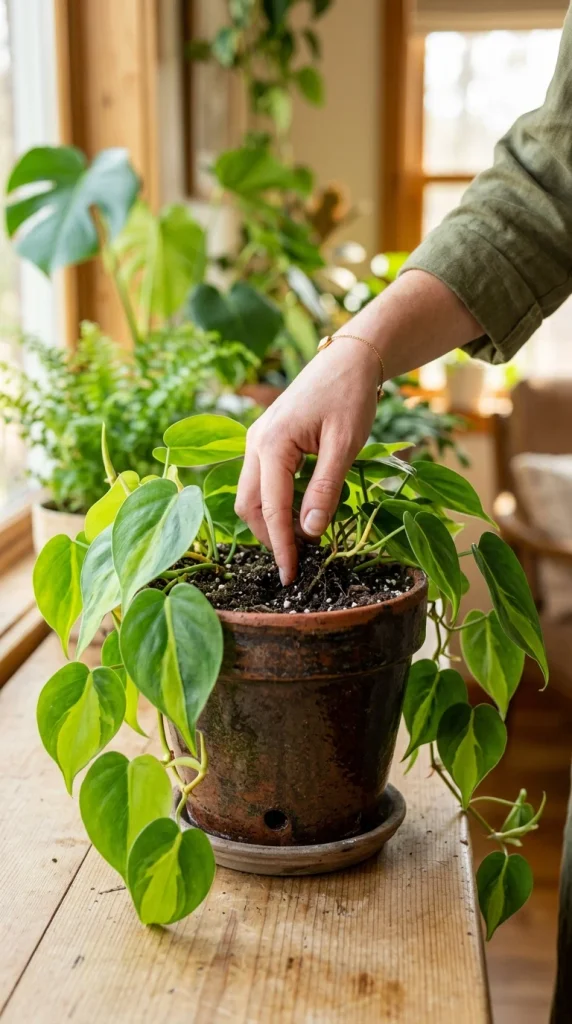
As a semi-succulent, this plant stores water in its fleshy leaves and underground tubers. The biggest mistake growers make is overwatering. Always allow the top 2 to 3 inches of soil to dry out completely before watering again. During the winter months, you should reduce watering even further as the plant’s growth slows down.
3. Well-Draining Soil
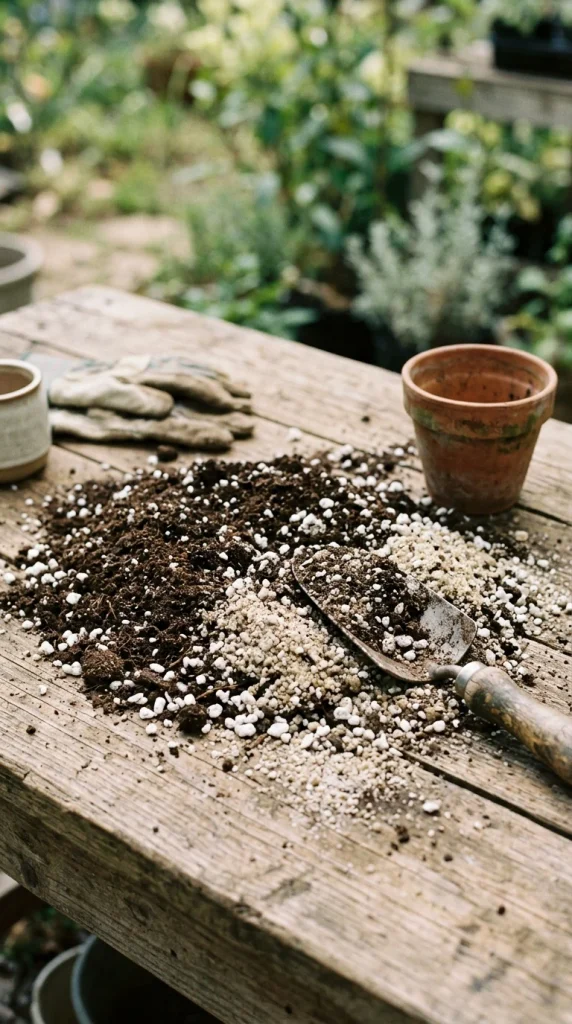
Standard potting soil is often too heavy and retains too much moisture for a String of Hearts. Use a high-quality cactus or succulent mix. To improve drainage further, you can mix in perlite or pumice at a 1:1 ratio. This prevents the roots from sitting in stagnant water, which is the primary cause of root rot.
4. Small Pots
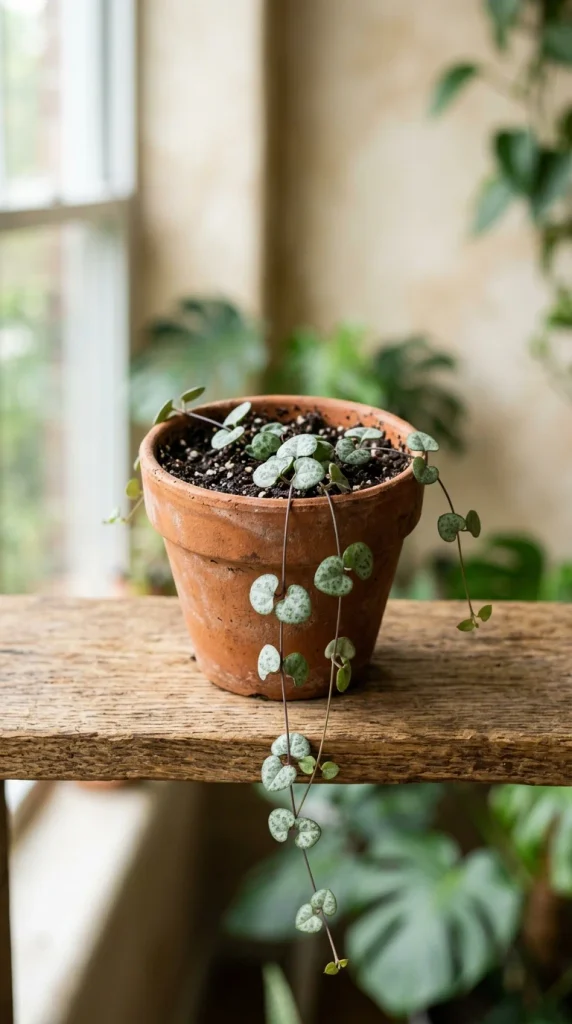
These plants have relatively small root systems and prefer being slightly root-bound. Keeping them in a smaller pot prevents the soil from staying wet for too long. If the pot is too large, the excess soil will hold onto moisture that the plant cannot absorb, leading to potential health issues.
5. Temperature Stability
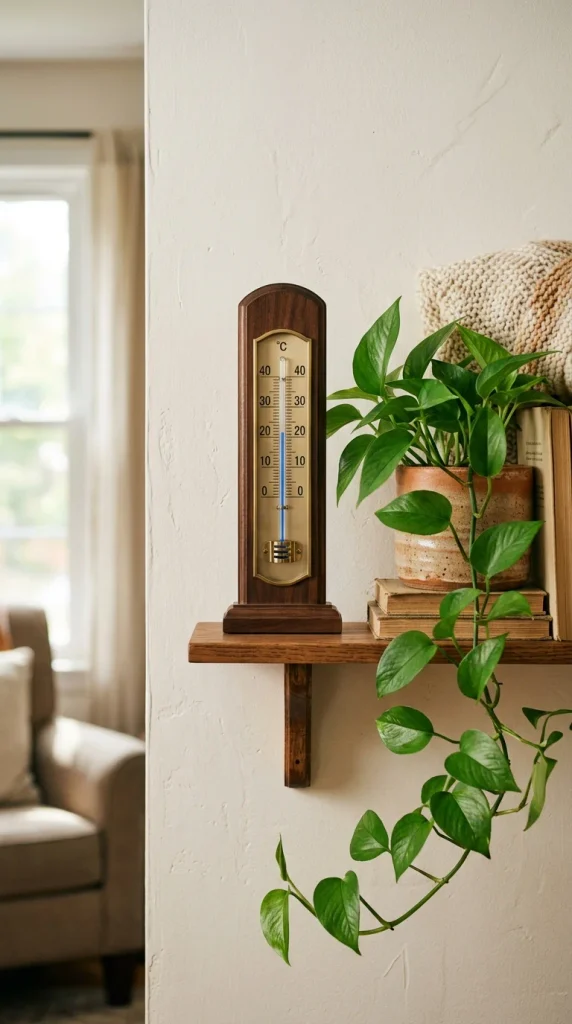
The String of Hearts prefers temperatures between 65°F and 80°F (18°C to 27°C). It is not frost-tolerant and should be kept away from cold drafts, air conditioning vents, or heaters. If you move your plant outdoors for the summer, ensure you bring it back inside before the nighttime temperatures drop below 50°F.
6. Average Humidity
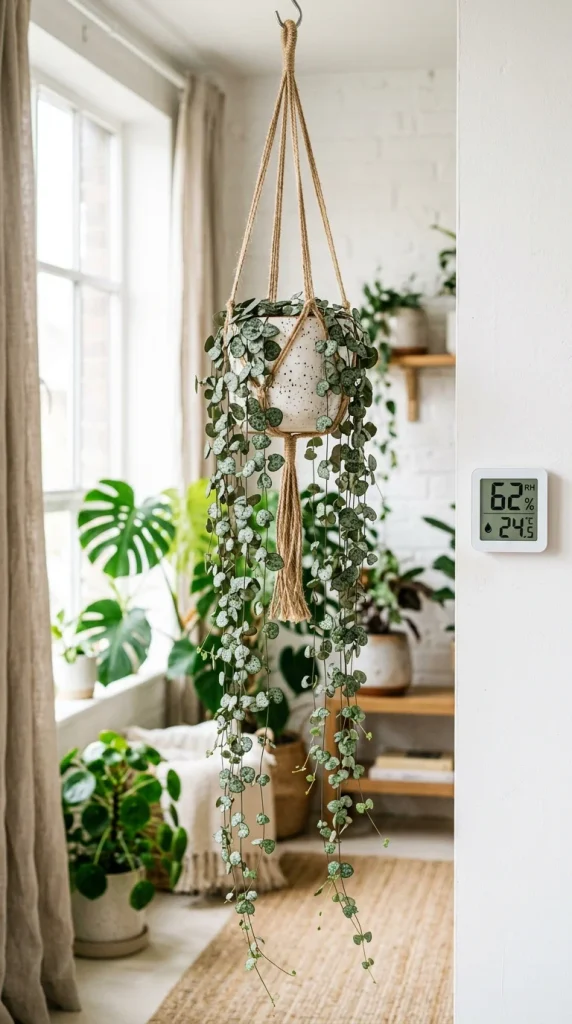
Unlike many tropical houseplants, the String of Hearts is quite happy in average household humidity (around 40-50%). It does not require misting or a humidifier to thrive. In fact, excessively high humidity without proper air circulation can sometimes lead to fungal issues on the leaves.
7. Seasonal Fertilizing
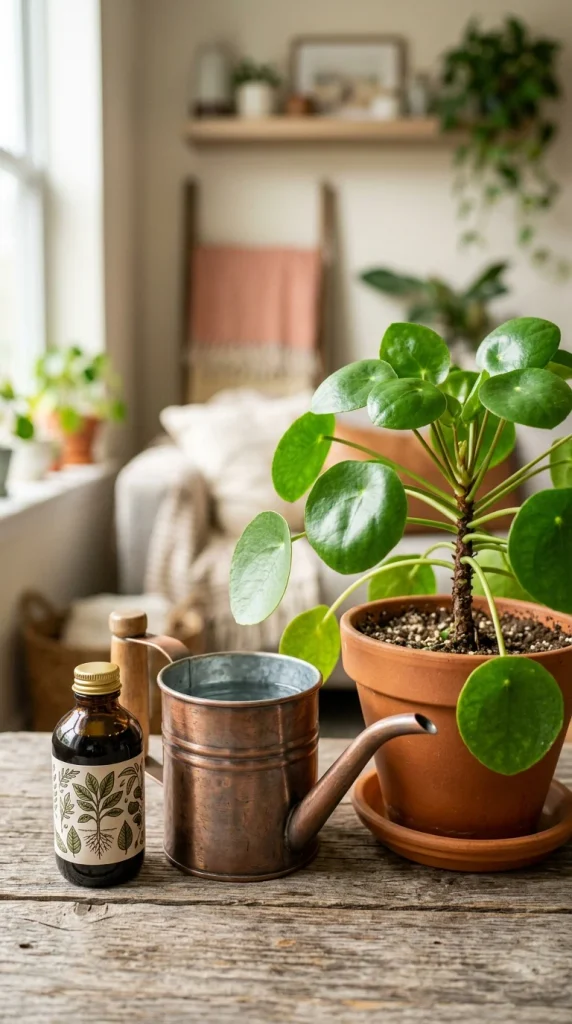
During the active growing season (spring and summer), feed your plant once a month with a balanced, water-soluble fertilizer diluted to half-strength. Avoid fertilizing in the autumn and winter when the plant is dormant, as the excess salts can build up in the soil and damage the roots.
8. Butterfly Propagation
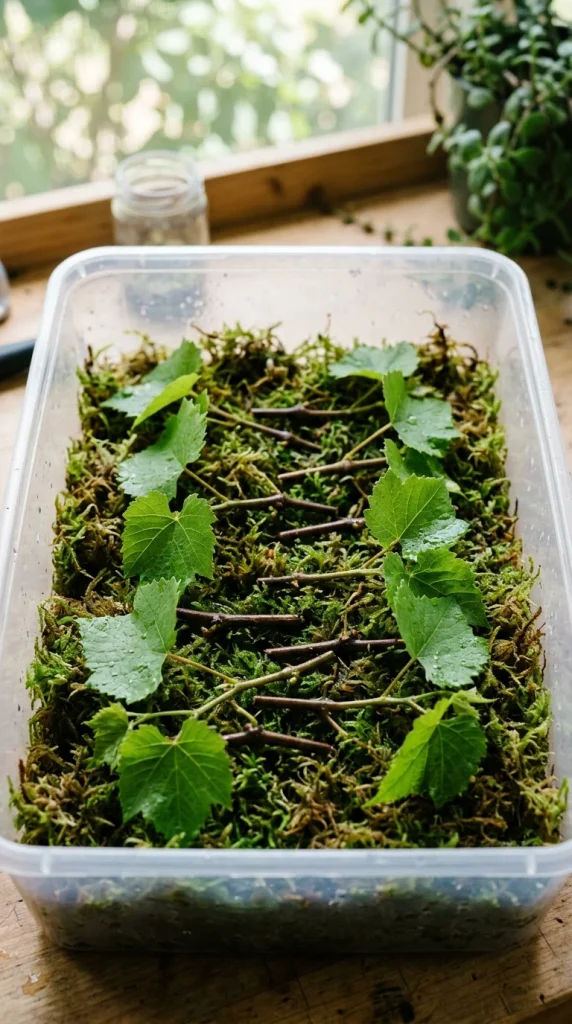
The “butterfly method” is one of the most effective ways to propagate. Cut a strand into segments, ensuring each segment has a pair of leaves and a node (the “butterfly”). Place these on moist sphagnum moss or soil with the nodes touching the surface. New roots and vines will grow from these nodes, creating a fuller pot.
9. Water Propagation
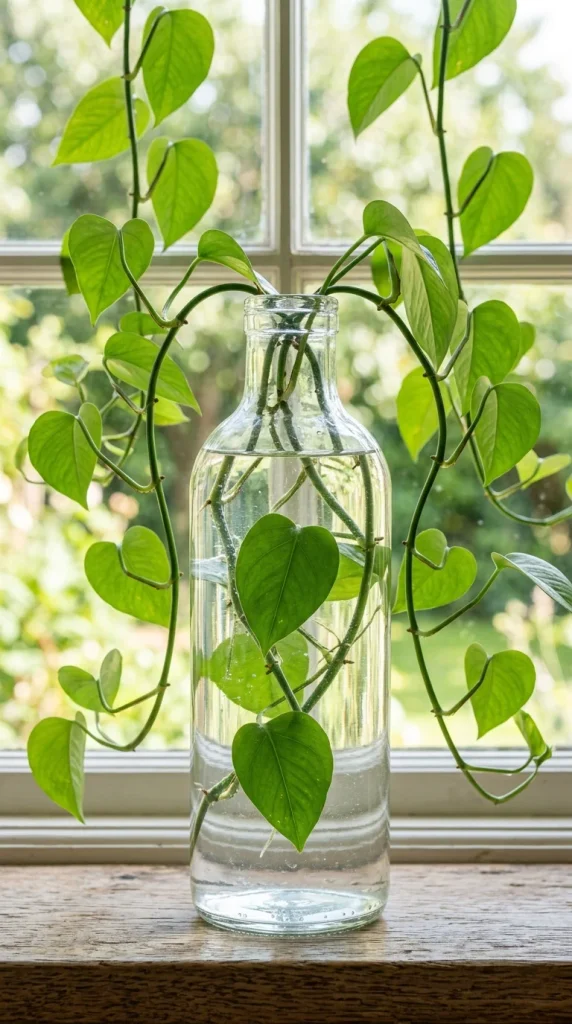
If you prefer a simpler method, take a long cutting and remove the leaves from the bottom few inches. Place the bare stem in a jar of clean water. Change the water weekly to keep it fresh. Once the roots are about an inch long, you can transplant the cutting into a well-draining soil mix.
10. Tuber Growth
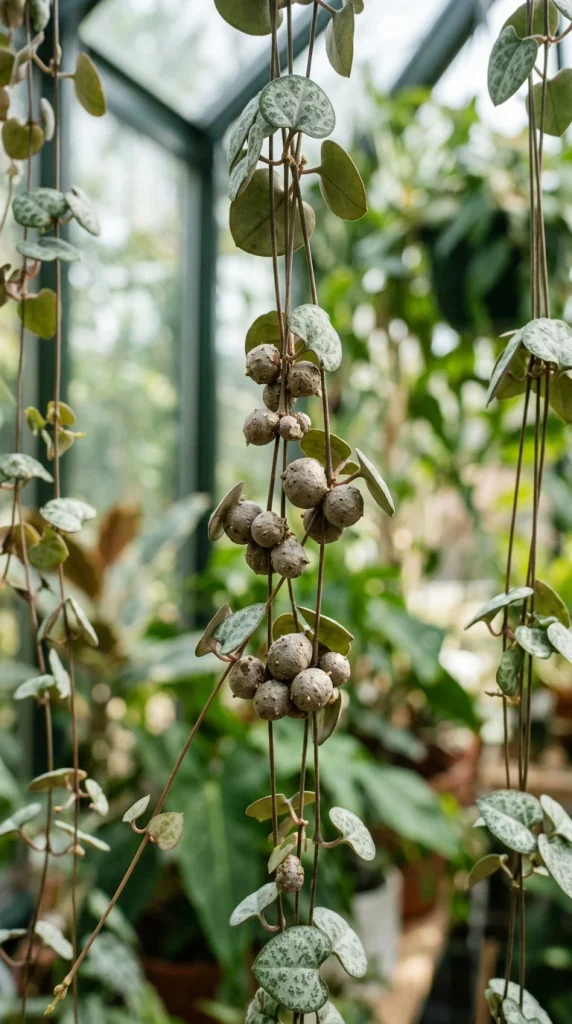
As the plant matures, you will notice small, bead-like tubers forming along the vines. These are aerial tubers. If these tubers touch the soil, they will eventually grow roots and start a new vine. You can also press these tubers into the soil of the parent pot to help fill out a thinning top.
11. Pruning Habits
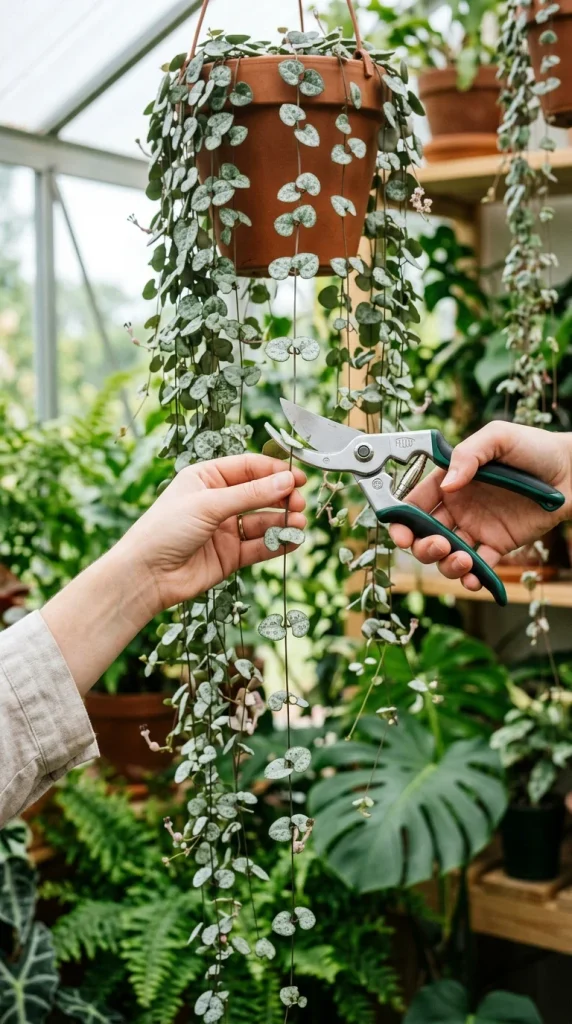
Don’t be afraid to prune your String of Hearts. Regular trimming encourages the plant to branch out and become bushier. It also allows you to control the length if the vines are getting too long for your space. Always use sterilized scissors to prevent the spread of disease.
12. Variegated Varieties
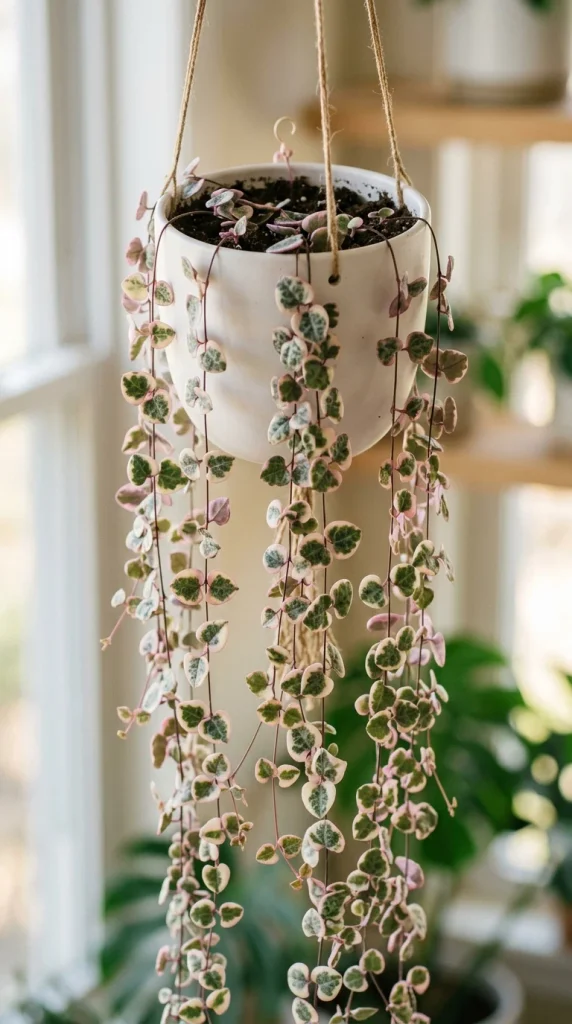
The Ceropegia woodii f. variegata is a stunning variation featuring pink and cream edges. This variety requires even more light than the standard green version to maintain its vibrant pink hues. In lower light, the variegation may fade, and the plant will revert to a more solid green color.
13. Bloom Cycles
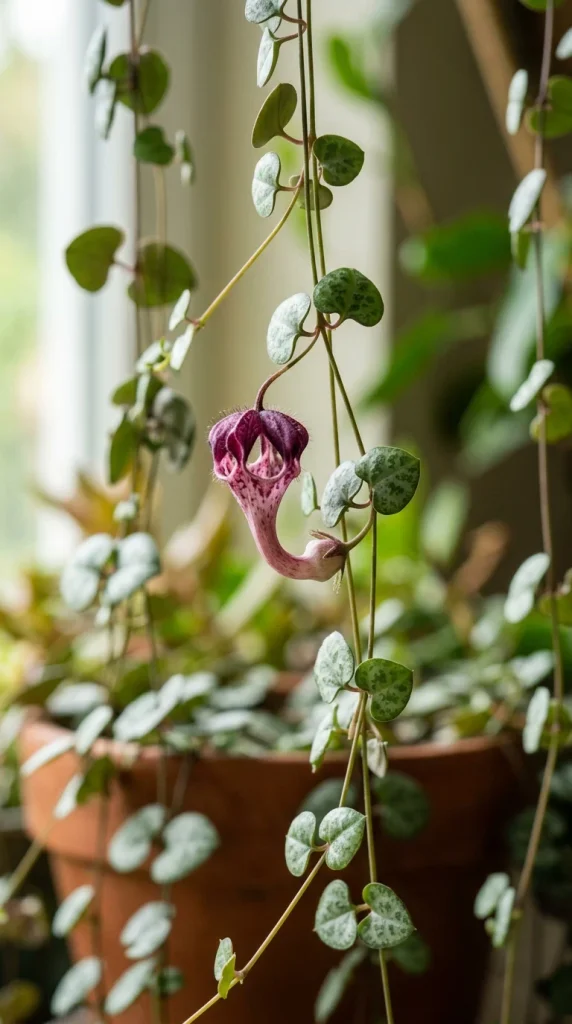
The String of Hearts produces unusual, small, tubular flowers that look like tiny purple lanterns or umbrellas. While they aren’t traditionally “showy,” they are a sign of a very happy plant. They usually bloom in late summer or early autumn. The flowers are fascinating but can be messy when they eventually fall off.
14. Bottom Watering
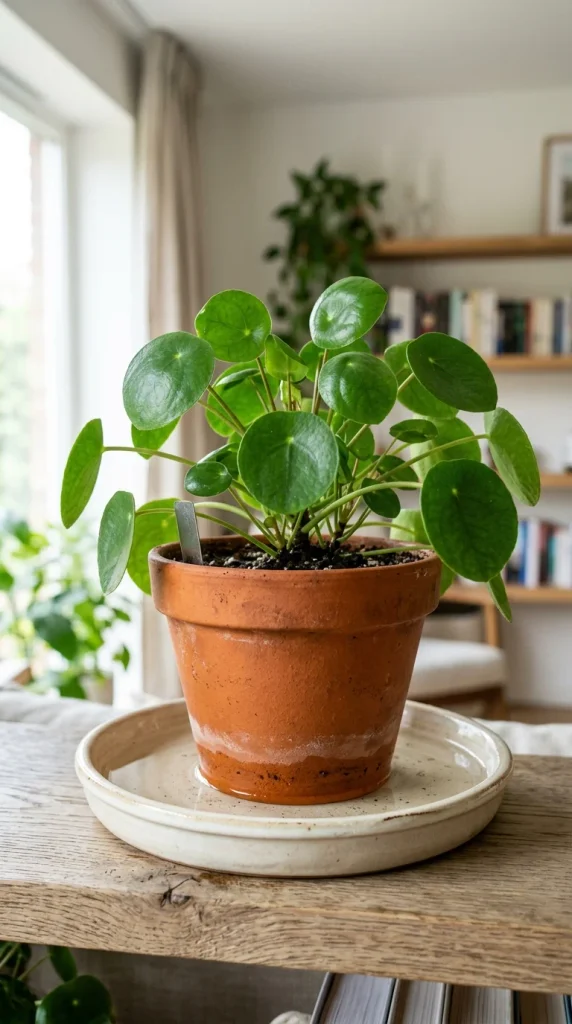
To avoid getting the crown of the plant too wet, try bottom watering. Place the pot in a tray of water for about 20 minutes, allowing the soil to soak up moisture through the drainage holes. Once the top of the soil feels slightly damp, remove it from the tray and let the excess water drain away.
15. Common Pests
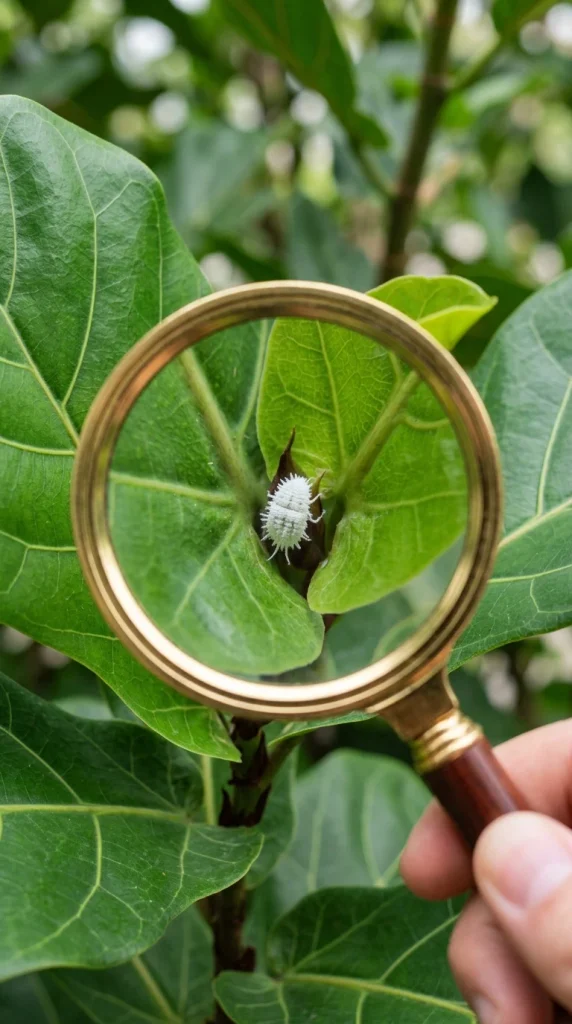
Watch out for mealybugs and aphids, which are the most common pests for this plant. Mealybugs look like tiny bits of white cotton in the leaf axils. Treat infestations early with neem oil or a cotton swab dipped in rubbing alcohol. Regularly checking the undersides of the leaves helps catch issues before they escalate.
16. Overwatering Signs

If the leaves become yellow, mushy, or translucent, you are likely overwatering. This is a sign of root rot. If you notice this, stop watering immediately and check the roots. Healthy roots are firm and white, while rotted roots are brown, slimy, and have an unpleasant odor.
17. Underwatering Signs
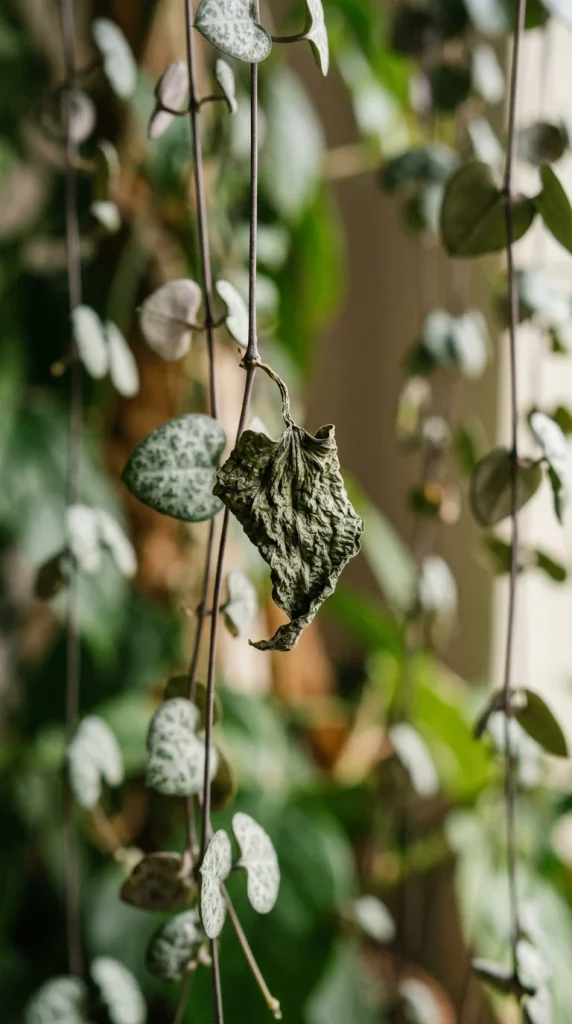
When the plant is thirsty, the thick, succulent leaves will lose their firmness and begin to wrinkle or look “deflated.” If the leaves feel thin and flexible rather than plump and stiff, it is time for a thorough watering. The leaves should plump back up within 24 hours of being watered.
18. Winter Dormancy
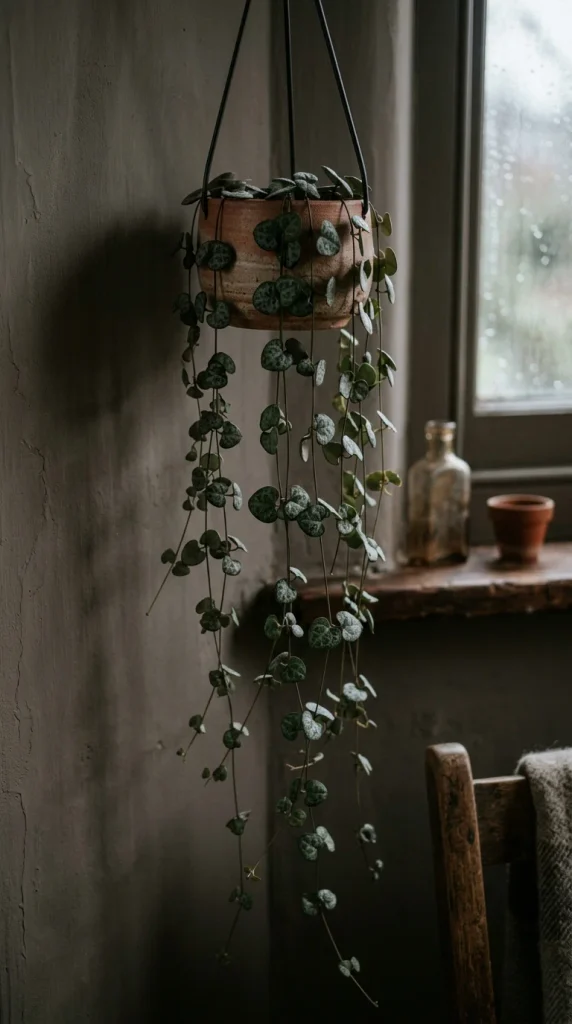
In the winter, the String of Hearts enters a period of dormancy. During this time, growth will stop or slow down significantly. It is crucial to reduce watering frequency and stop fertilizing entirely during these months to prevent root rot and nutrient burn while the plant is “resting.”
19. Repotting Tips
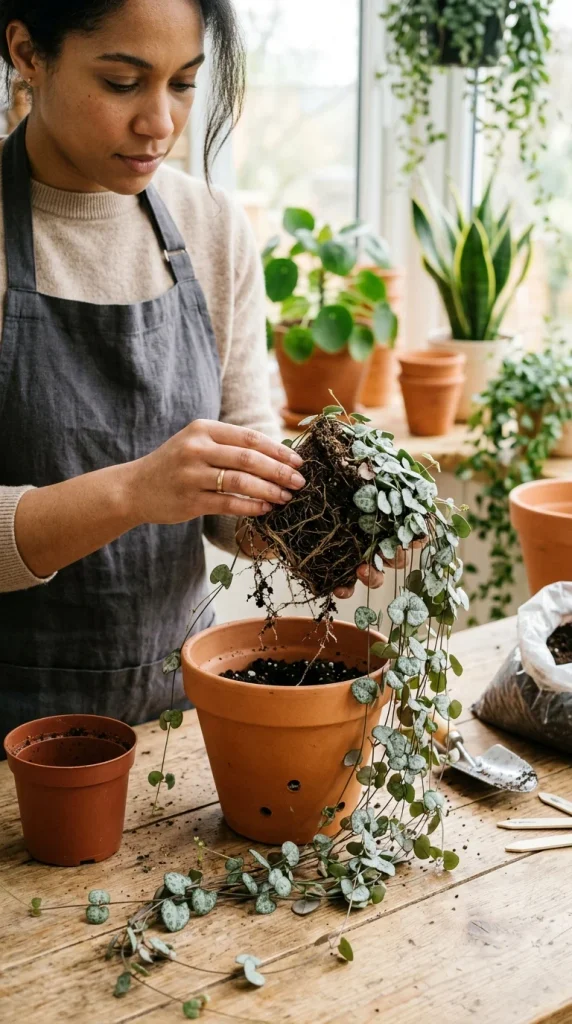
You only need to repot your String of Hearts every 2 to 3 years. When you do, only go up one pot size. Spring is the best time to repot as the plant is entering its active growth phase. Be very gentle during the process, as the vines are fragile and can easily snap or become tangled.
20. Climbing Trellis
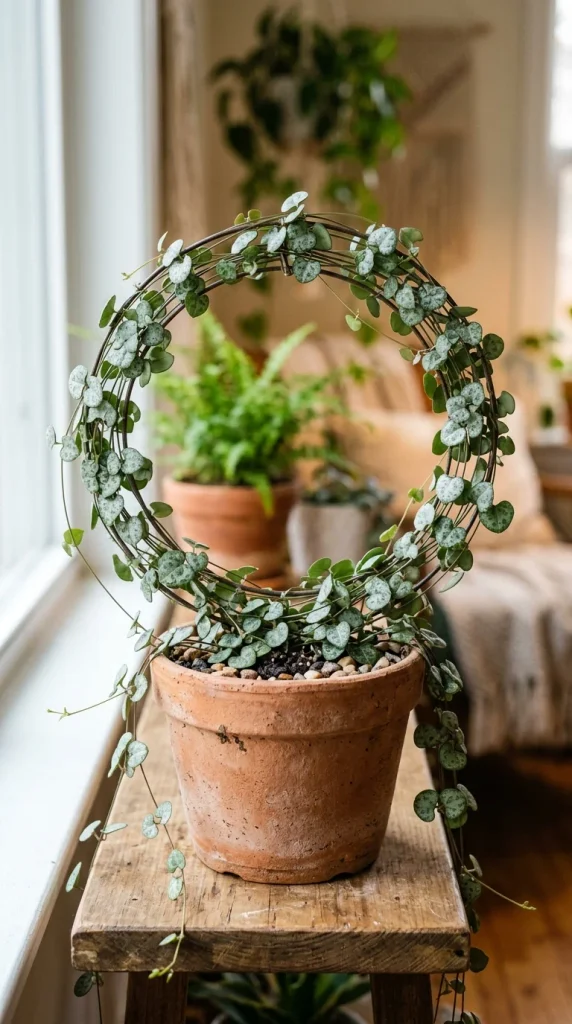
While typically grown as a trailing plant, the String of Hearts can also be trained to climb. Using a small trellis or hoop allows the vines to wrap upwards, creating a different aesthetic. This can also help the plant receive more uniform light across all its leaves.
21. Hanging Baskets
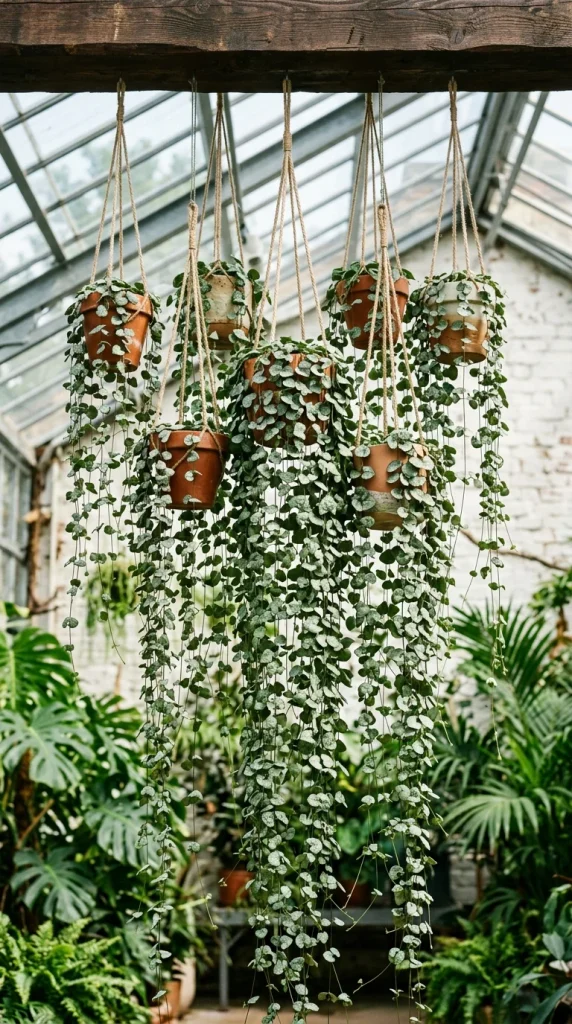
The most popular way to display this plant is in a hanging basket. This allows the vines to grow to their full potential, sometimes reaching lengths of 6 to 12 feet. Ensure the hook is secure, as a mature, well-watered plant can become surprisingly heavy.
22. Safe for Pets
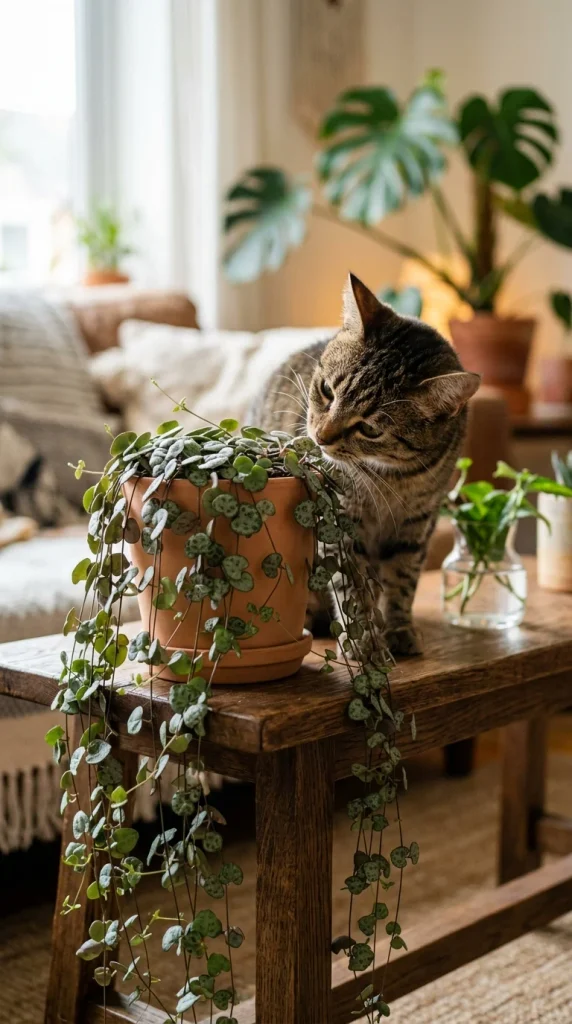
One of the best features of the Ceropegia woodii is that it is non-toxic to cats and dogs. This makes it an excellent choice for pet owners who want to enjoy beautiful greenery without worrying about their furry friends’ safety. However, it’s still best to keep it out of reach to prevent the vines from being pulled down.
23. Sun Stressing
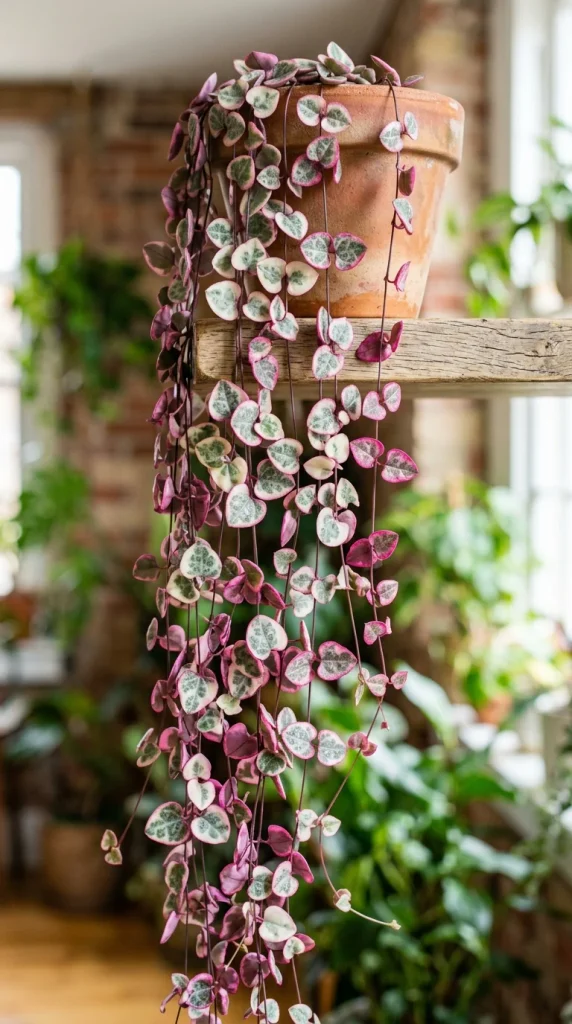
“Sun stressing” sounds negative, but in the succulent world, it refers to the beautiful colors plants develop when exposed to high light. For the variegated String of Hearts, more light results in a deep pink or purple hue on the leaf edges and stems. This is a natural response and is often highly desired by collectors.
24. Top-Filling Vines
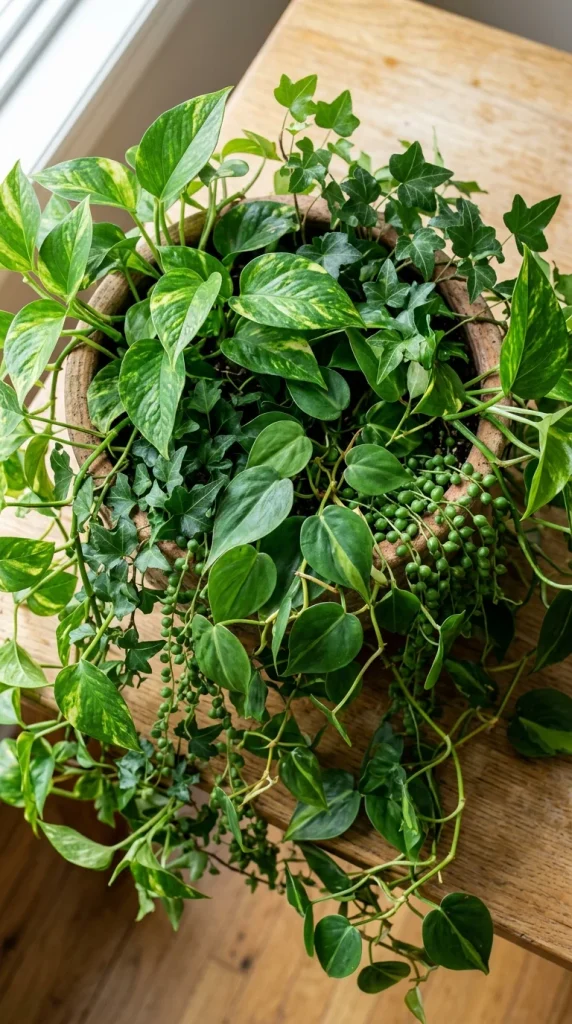
If the top of your pot looks a bit bald, take one of the long trailing vines and coil it around on top of the soil. Secure the nodes to the soil with small floral pins or bent paperclips. The nodes will root, and new vines will grow, quickly creating a much fuller and lusher appearance at the crown.
25. Air Circulation
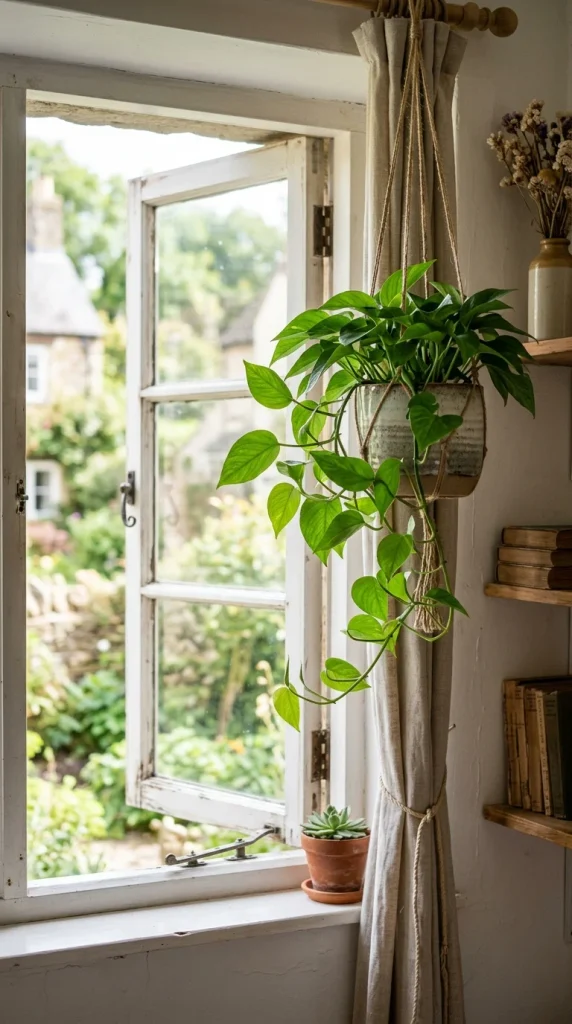
Good air circulation is key to preventing pests and fungal diseases. Avoid crowding too many plants together in a corner with stagnant air. A gentle breeze from an open window or a ceiling fan on a low setting can help keep the plant healthy and ensure the soil dries out at an appropriate rate.
26. Dusting Leaves
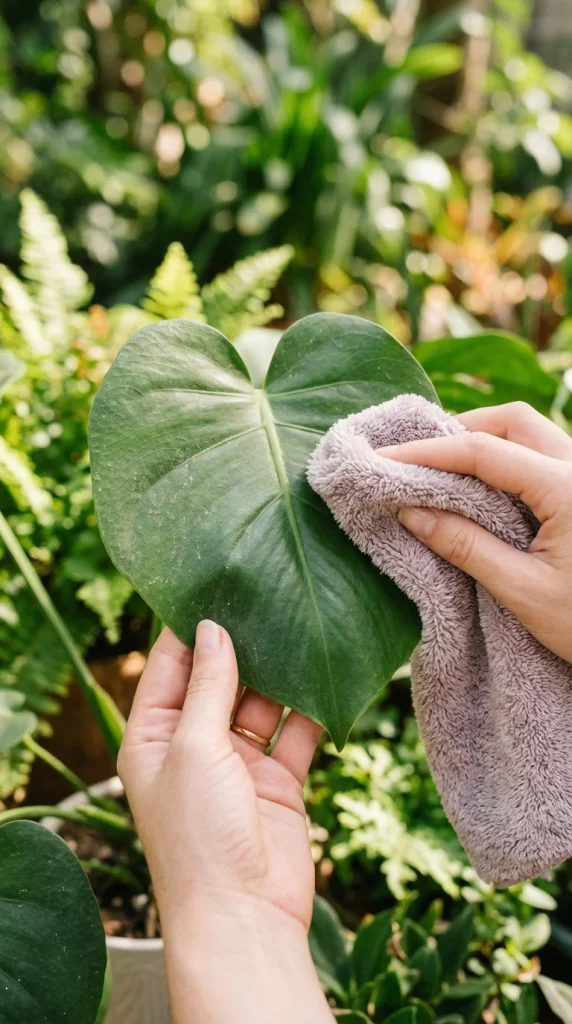
Dust can accumulate on the leaves, blocking sunlight and reducing the plant’s ability to photosynthesize. Every few weeks, gently wipe the leaves with a damp cloth or give the plant a very gentle lukewarm shower to wash away dust. This also gives you a chance to inspect for pests.
27. Patience and Growth
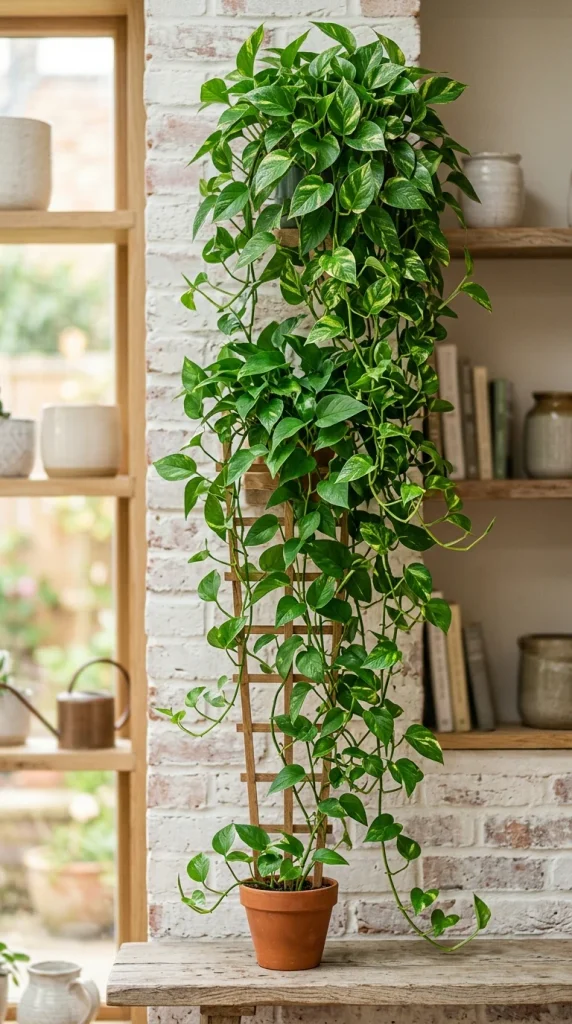
While the String of Hearts is a fast grower under the right conditions, it can take time to establish. Don’t be discouraged if it seems slow at first. Once the root system is healthy and the light is right, you will be amazed at how quickly those vines begin to race toward the floor.
28. Enjoy the Texture
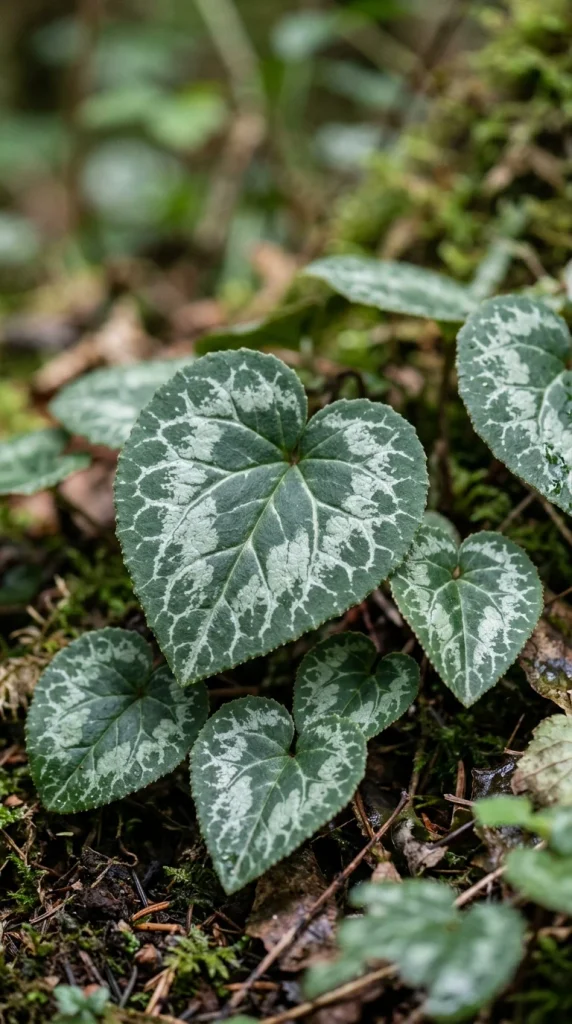
Part of the joy of owning a String of Hearts is the incredible texture of the leaves. They feel firm and slightly waxy, with a patterned surface that looks like it was painted by hand. Take the time to appreciate the unique beauty of each “heart” as your plant grows and changes through the seasons.