Petunias are the undisputed royalty of the summer container garden. With their trumpet-shaped blooms, intoxicating evening fragrance, and an almost endless palette of colors and patterns, these versatile annuals can transform a dull porch into a Mediterranean paradise. Whether you have a sprawling estate or a tiny apartment balcony, petunias are the perfect choice for adding instant impact and long-lasting beauty.
But why settle for a single plant in a basic plastic pot? To truly elevate your garden, you need to think about texture, height, and creative vessels. From the cascading “Wave” varieties that trail like floral waterfalls to the sophisticated “Night Sky” cultivars that mimic a galaxy, there is a petunia for every aesthetic. In this guide, we explore 15 stunning ideas to help you master the art of the petunia pot.
1. Monochrome Magic
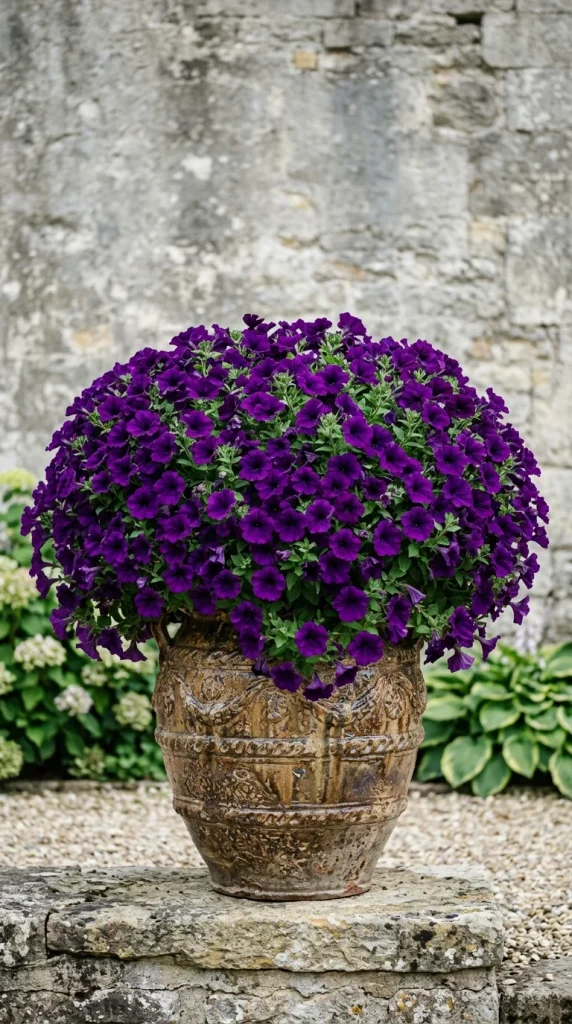
There is something profoundly sophisticated about a monochromatic arrangement. By filling a large container with just one variety of petunia—such as a rich, Royal Velvet or a crisp, Snowdrift White—you create a bold focal point that draws the eye without being overwhelming. This approach highlights the natural form of the plant and works exceptionally well in modern or minimalist garden designs. To make this work, choose a pot that contrasts with the flower color; for instance, dark purple flowers pop against a white or light grey planter.
2. Cascading Baskets
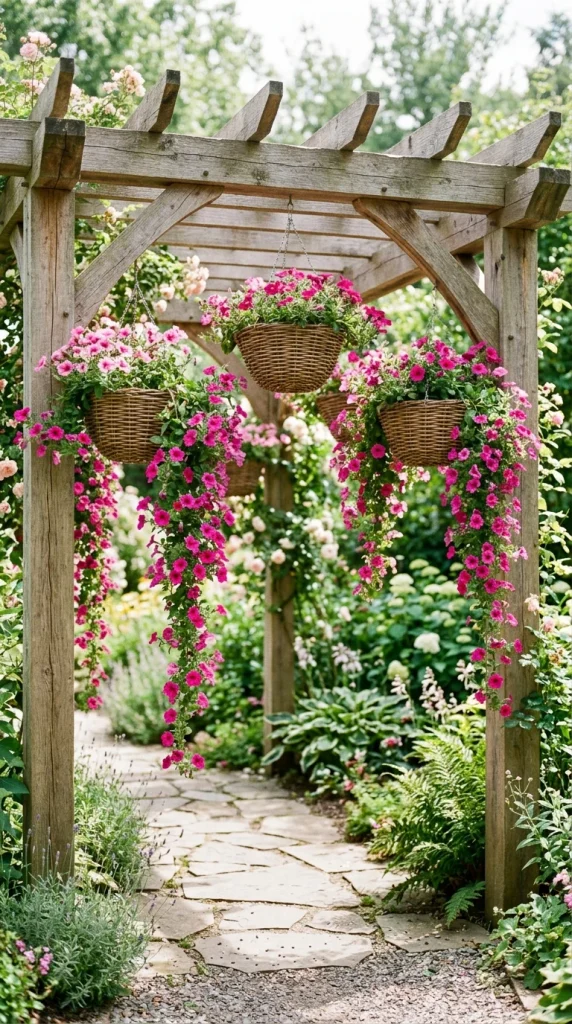
If you want to add vertical interest to your garden, trailing petunias are your best friend. Varieties like the “Wave” or “Surfinia” series are bred specifically to spread and spill. When planted in hanging baskets, they create a “curtain” of color that can mask unsightly fences or add life to a bare porch. The key to a successful hanging basket is consistent moisture; because they are exposed to wind on all sides, these pots dry out faster than those on the ground.
3. Contrasting Textures
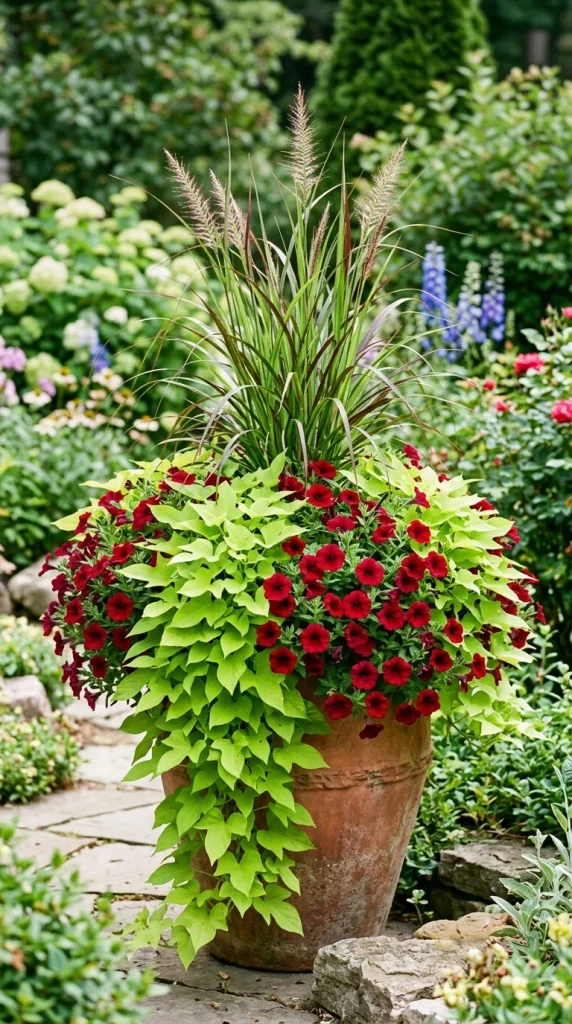
Petunias play well with others. To create a professional-looking container, follow the “Thriller, Filler, Spiller” rule. Use petunias as your “filler,” then add a “spiller” like the chartreuse-colored Sweet Potato Vine (Ipomoea batatas). The contrast between the broad, lime-green leaves and the delicate, colorful petunia blooms creates a visual tension that is incredibly pleasing to the eye. This combination thrives in full sun and provides a lush, tropical feel to any corner.
4. Rustic Tin
You don’t need expensive ceramic pots to make a statement. Repurposing old household items adds character and a sense of history to your garden. An old galvanized tin bucket, a rusted watering can, or even an antique milk crate can become a charming home for petunias. Just ensure you drill drainage holes in the bottom to prevent root rot. The silvery-grey of the tin provides a wonderful rustic backdrop for bright pink or red petunias.
5. Starry Skies
The “Night Sky” and “Galaxy” series of petunias have taken the gardening world by storm. Each bloom is unique, featuring white speckles against a deep purple or burgundy background, mimicking the appearance of a distant nebula. To let these spectacular flowers shine, plant them in simple, dark-colored pots. These varieties are best placed where they can be admired up close, such as on a bistro table or an outdoor coffee table, so their intricate patterns can be fully appreciated.
6. Multi-Level Tiers
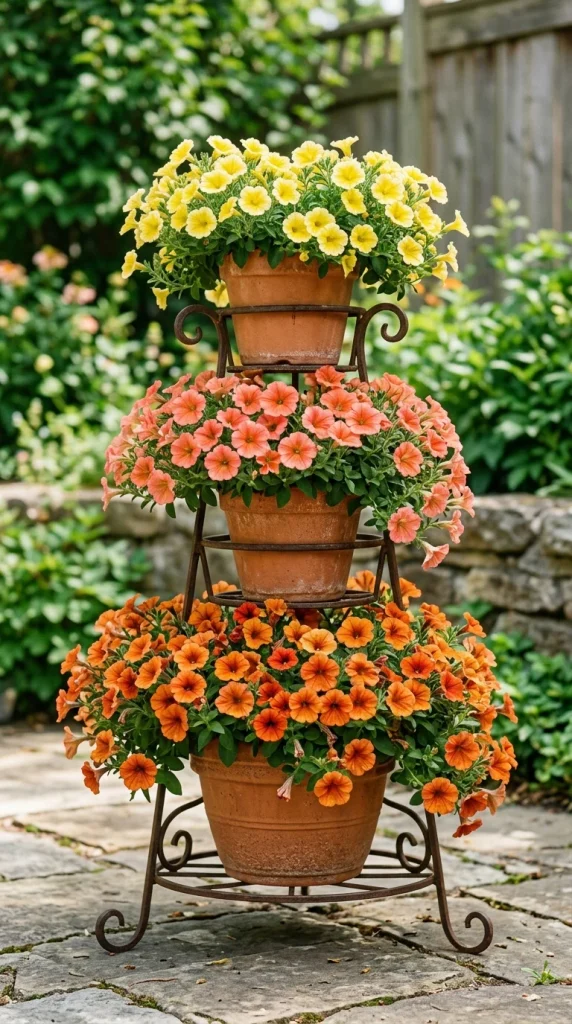
When space is limited, go vertical. Tiered planters allow you to grow a large volume of flowers in a small footprint. You can create a “gradient” effect by planting darker shades at the bottom and lighter shades at the top, or mix different species of petunias on each level. This setup is particularly effective for herb gardens mixed with flowers, allowing you to tuck trailing petunias in between rows of basil or thyme.
7. Window Boxes
Nothing says “curb appeal” like a well-planted window box. Petunias are the gold standard for these containers because they bloom continuously from late spring until the first frost. For a classic look, mix soft pastel petunias with trailing accents like Bacopa or Lobelia. Ensure your window boxes are securely fastened, as the weight of wet soil and lush plants can be significant.
8. Complementary Colors
To create a high-energy display, look to the color wheel and choose complementary colors—those that sit opposite each other. Purple and yellow are a classic pairing that vibrates with energy. Try planting a deep violet petunia alongside “Lemon Slice” or bright yellow varieties. This combination is particularly effective in the height of summer, as it reflects the intensity of the sun and stays looking fresh even in high temperatures.
9. Tall Centerpieces
If you have a large entryway or a wide patio, you need a container with some height. Use a tall “thriller” plant like Dracaena spikes, Canna Lilies, or ornamental grasses in the center of the pot to provide architectural interest. Surround the base with a thick “skirt” of petunias. As the petunias grow, they will spill over the edges, softening the lines of the tall planter and creating a balanced, professional look.
10. Pastel Dreams
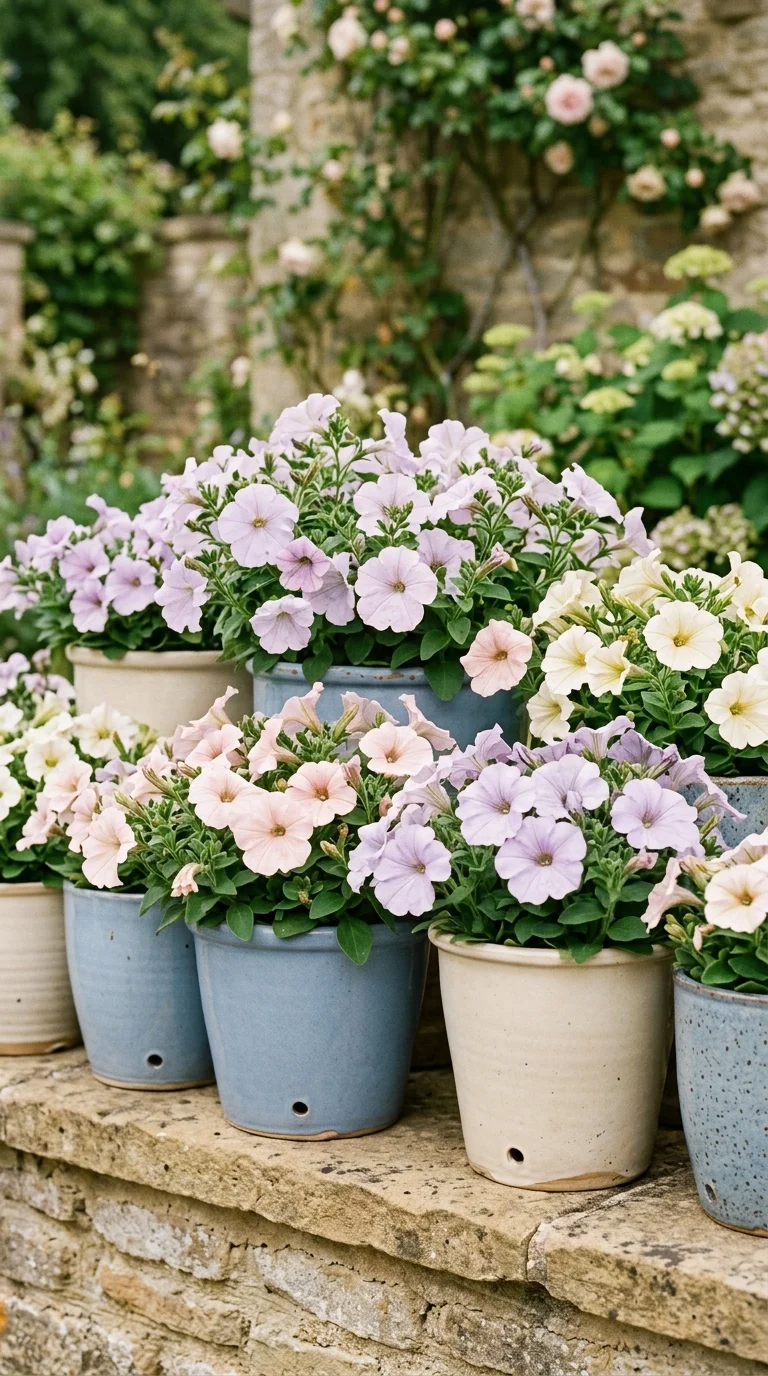
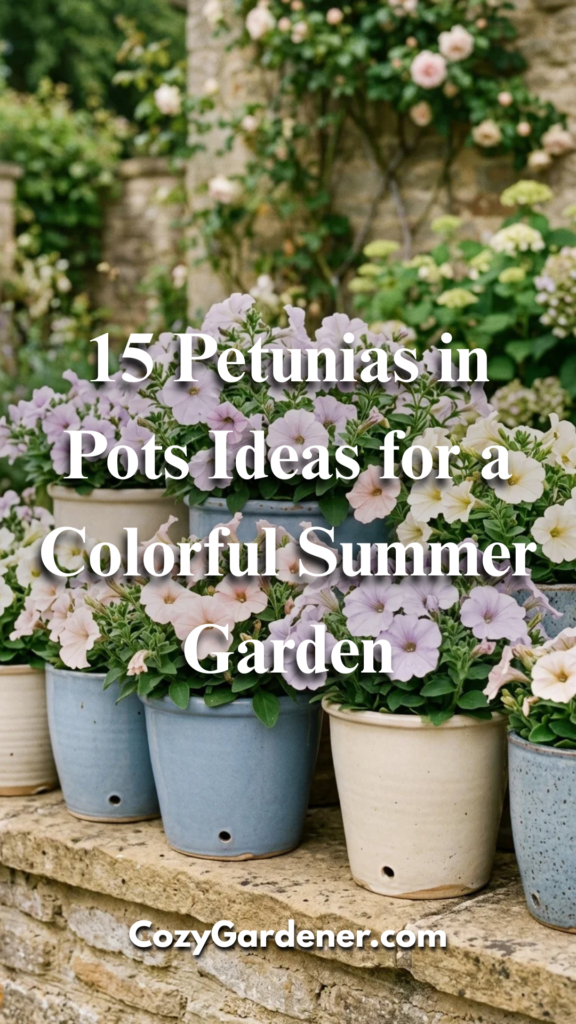
For a serene and romantic garden vibe, stick to a pastel palette. Shades of lavender, baby pink, and soft cream create a calming atmosphere, perfect for a quiet seating area or a garden nook meant for reading. Using glazed ceramic pots in coordinating soft blues or greens enhances the “cottage garden” aesthetic. These lighter colors also tend to glow in the twilight, making them perfect for “moon gardens” that you enjoy after the sun goes down.
11. Tea Party Whimsy
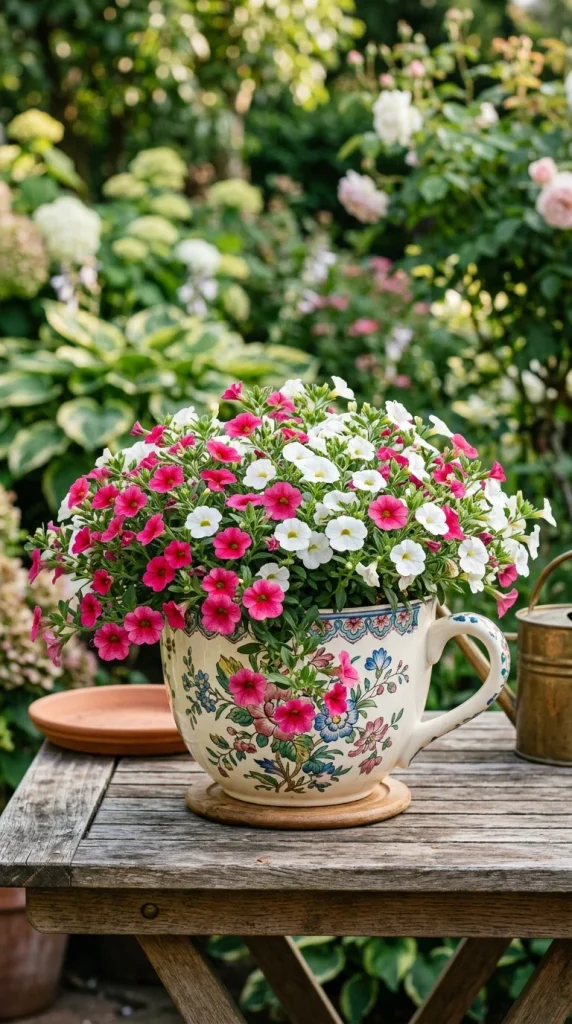
Whimsical containers add a touch of playfulness to the garden. Oversized teacups, ceramic boots, or even old birdcages can be filled with petunias. For these smaller or more unusual vessels, consider using “Multiflora” or “Milliflora” petunias. These varieties produce smaller but more numerous flowers and have a tidier growth habit that won’t overwhelm a decorative container.
12. Tropical Vibes
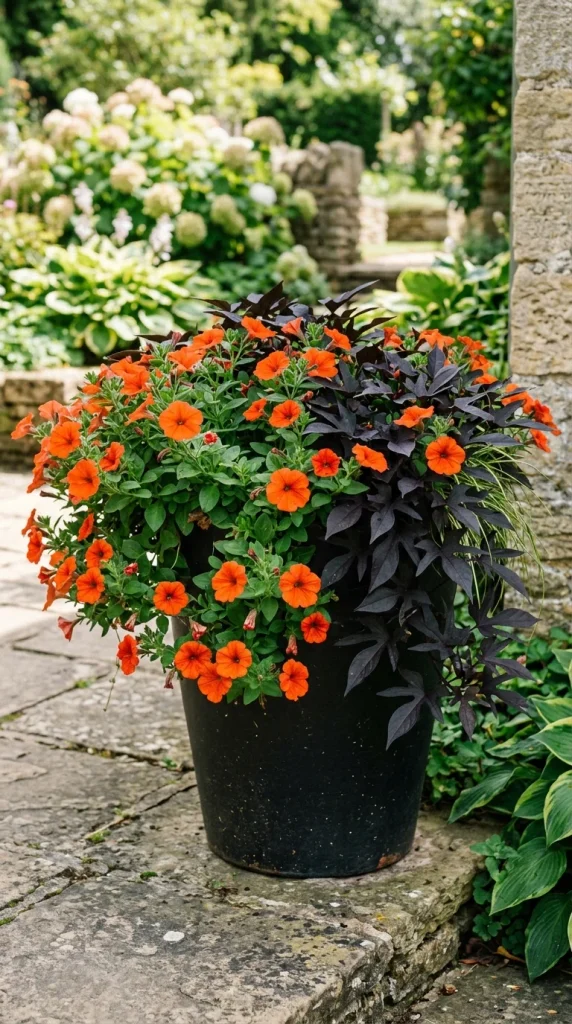
If you love the look of the tropics, combine fiery orange or hot red petunias with dark, dramatic foliage. Plants like “Blackie” Sweet Potato Vine or dark-leaved Coleus create a moody, exotic backdrop that makes the petunia blooms look like glowing embers. This look is particularly effective in modern gardens with dark wood decking or black metal furniture.
13. Elegant White
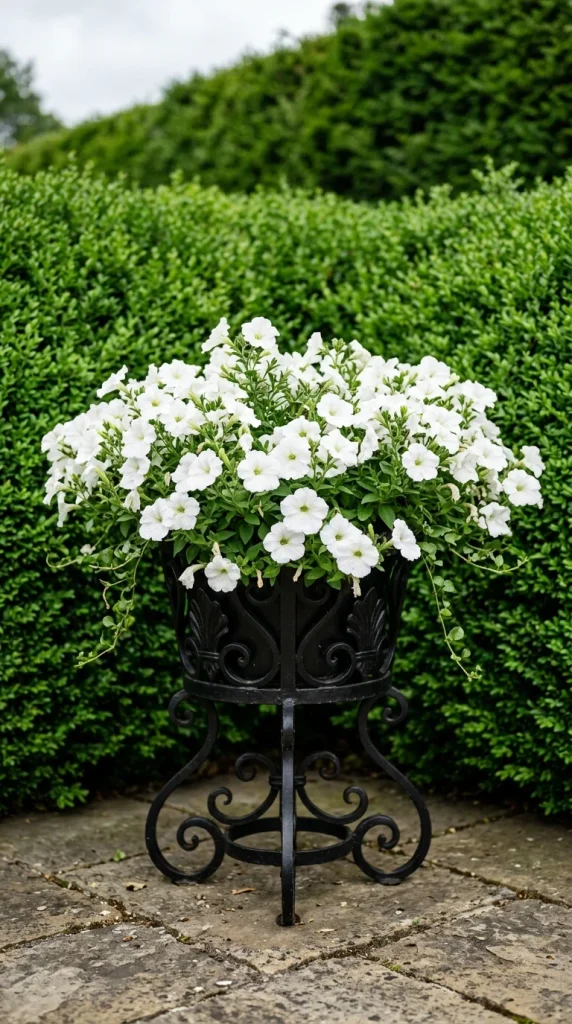
An all-white garden is the height of elegance. White petunias have a luminous quality that is unmatched by other colors. When planted in a dark, wrought-iron planter or a sleek black pot, the contrast is stark and stunning. White petunias are also famously fragrant at night, as they evolve to attract nocturnal pollinators like hawk moths. Placing these near an outdoor dining area will provide both visual beauty and a sweet scent for evening meals.
14. Vertical Wall
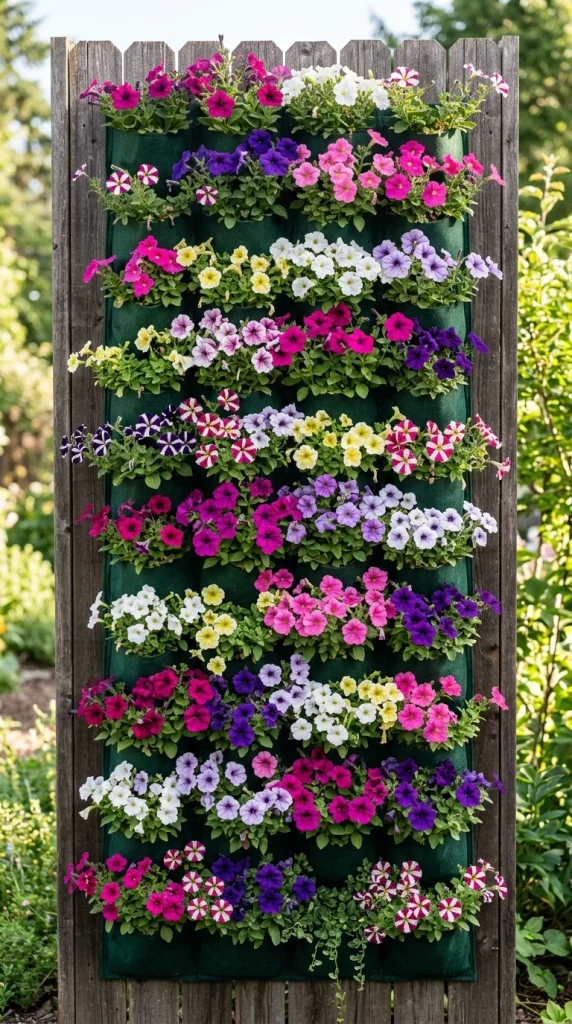
Vertical gardening is a fantastic way to turn a boring fence or wall into a living work of art. Using a pocket planter system or a series of wall-mounted pots, you can create a “tapestry” of petunias. Because petunias grow so vigorously, they will quickly fill in the gaps between the pockets, resulting in a solid wall of flowers. This is an excellent solution for urban gardeners with limited floor space.
15. Wheelbarrow Garden
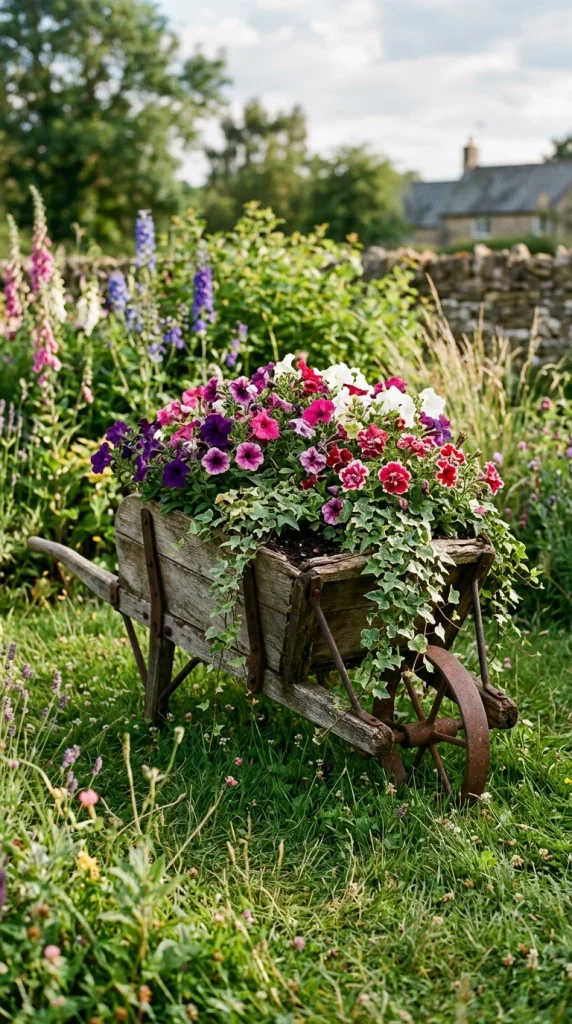
For a large-scale rustic feature, nothing beats a planted wheelbarrow. This allows you to create a “mobile” garden bed that can be moved (with some effort!) to follow the sun. Mix upright “Grandiflora” petunias with trailing “Wave” varieties to fill the entire body of the wheelbarrow. Adding a few trailing vines like ivy or vinca will help the arrangement “leak” out of the sides, making it look like the flowers have been growing there for years.
Pro-Tips for Perfect Potted Petunias
To keep your petunia pots looking spectacular all season long, follow these three essential rules:
- The Sun is Non-Negotiable: Petunias are sun-worshippers. They require at least 6 to 8 hours of direct sunlight daily to produce the maximum amount of blooms. If they are in the shade, they will become “leggy” (long stems with few leaves) and stop flowering.
- Feed Them Regularly: Because they bloom so prolifically, petunias are “heavy feeders.” Use a water-soluble, high-phosphorus fertilizer every two weeks to keep the flower production high. In the heat of mid-summer, they may benefit from weekly feedings.
- Don’t Be Afraid to Prune: By mid-summer, some petunias can start to look a little tired or straggly. Don’t be afraid to give them a “haircut.” Trimming the stems back by half will encourage a new flush of growth and flowers, ensuring your containers look fresh well into autumn.