As the sweltering heat of summer fades into the crisp, cool air of September and October, many gardeners mistakenly believe their growing season is coming to an end. In reality, autumn offers a second “spring”—a golden opportunity to cultivate some of the most flavorful and nutrient-dense vegetables the earth can provide.
Fall gardening is a unique experience. The soil is still warm from the summer sun, but the air is cooling, which many vegetables actually prefer. Furthermore, many cool-season crops develop a much sweeter profile after a light frost, as the plant converts starches into sugars to protect its cells. If you want to keep your kitchen stocked with fresh produce well into the holidays, here are 18 vegetable ideas for a productive autumn harvest.
1. Kale
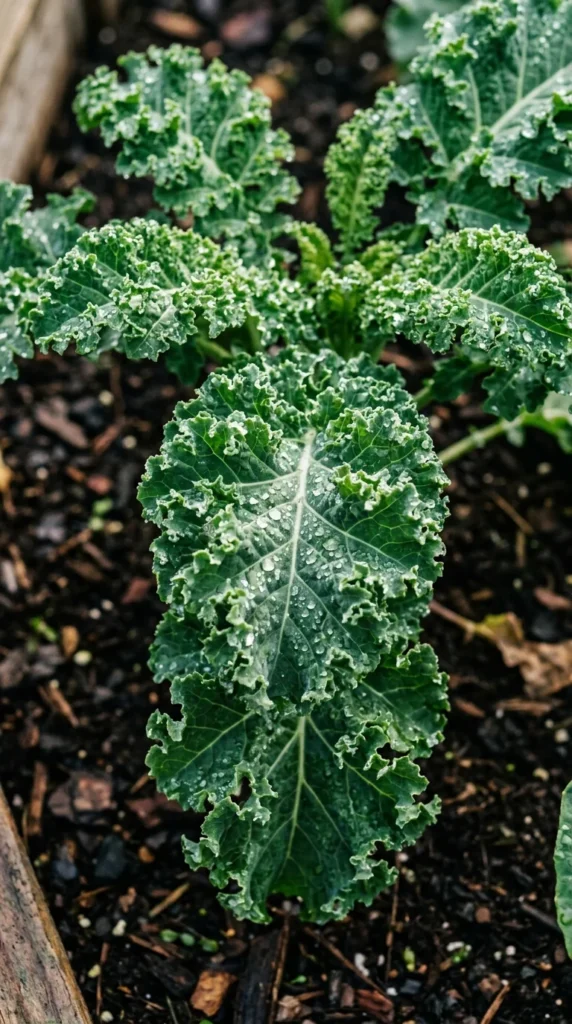
Kale is arguably the king of the fall garden. This hardy leafy green is incredibly resilient and can survive temperatures as low as 10 degrees Fahrenheit. There are several varieties to choose from, including the classic Curly Kale, the slate-colored Lacinato (Dino) Kale, and the vibrant Red Russian Kale.
- Growing Tip: Plant kale in late summer so it reaches maturity just as the frost begins.
- Harvest Secret: Wait until after the first frost to pick your kale; the cold weather makes the leaves taste significantly sweeter and less bitter.
2. Carrots
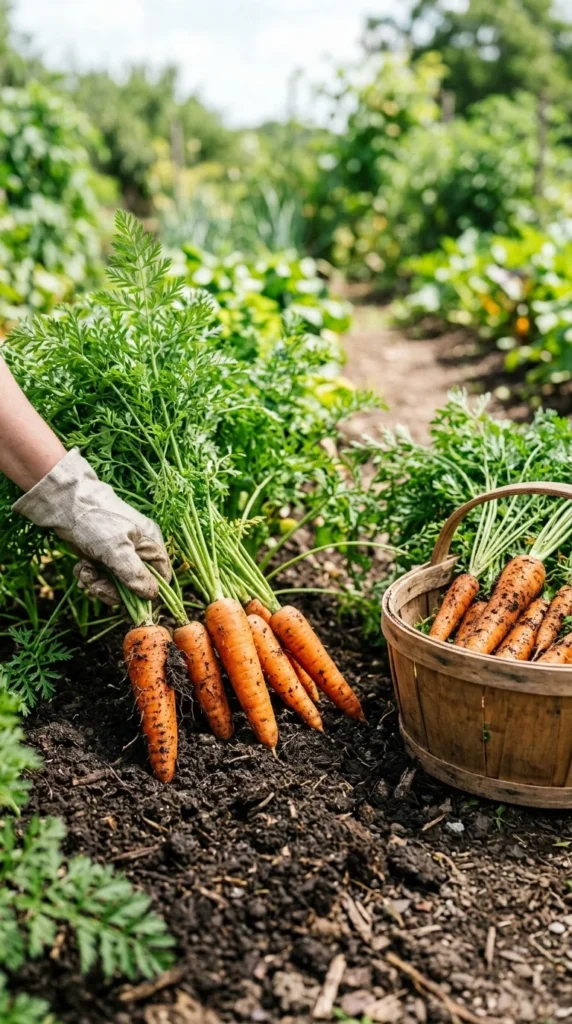
Carrots are a staple that truly shines in the cooler months. While they take a bit longer to germinate than other crops, the wait is worth it. Fall carrots are famous for their crunch and intense sweetness.
- Growing Tip: Keep the soil consistently moist during germination, as fall winds can dry out the surface quickly.
- Harvest Secret: You can leave carrots in the ground even after a hard freeze if you mulch them heavily with straw. They will stay fresh and crisp in their “natural refrigerator” until you’re ready to eat them.
3. Spinach
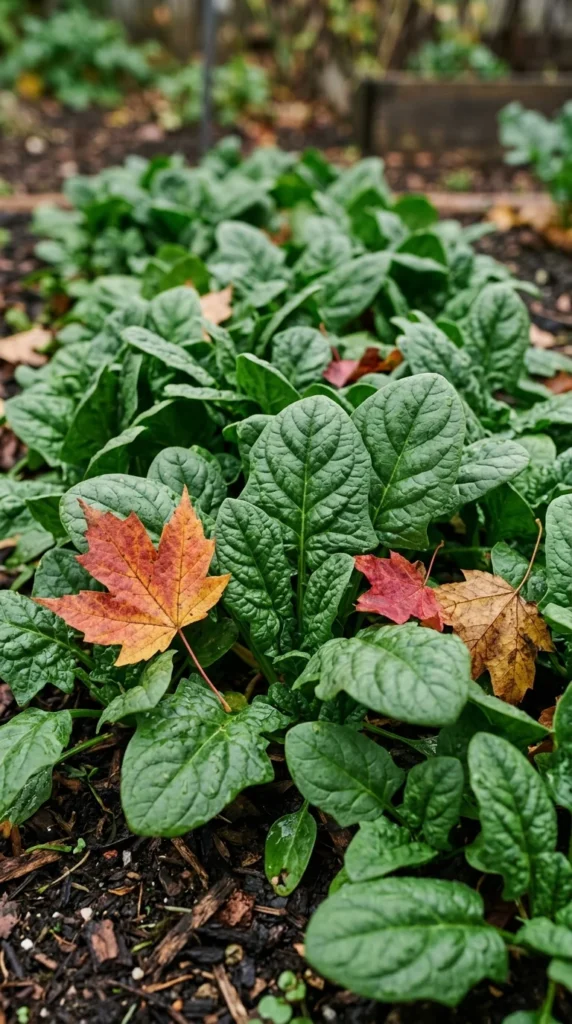
Spinach is a fast-growing crop that loves the declining day length of autumn. Unlike spring spinach, which often bolts (goes to seed) the moment the weather warms up, fall spinach stays lush and tender for a long period.
- Growing Tip: Plant seeds every two weeks for a continuous harvest of “baby” spinach.
- Harvest Secret: If you provide a simple cold frame or row cover, spinach can often over-winter and provide you with the earliest possible harvest the following spring.
4. Brussels Sprouts
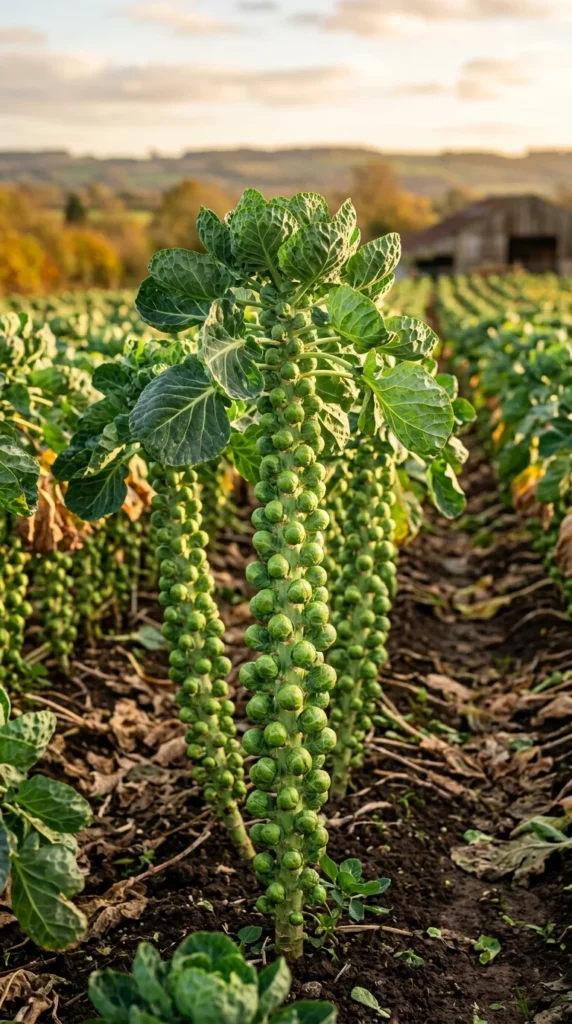
Brussels sprouts are the marathon runners of the garden. They require a long growing season, so you should ideally have them in the ground by mid-summer to harvest in late fall or early winter.
- Growing Tip: To encourage the sprouts to mature all at once, pinch off the growing tip at the very top of the plant about a month before your first expected frost.
- Harvest Secret: These are perhaps the most frost-tolerant plants on this list. A heavy frost actually improves the texture and flavor of the mini-cabbages.
5. Lettuce
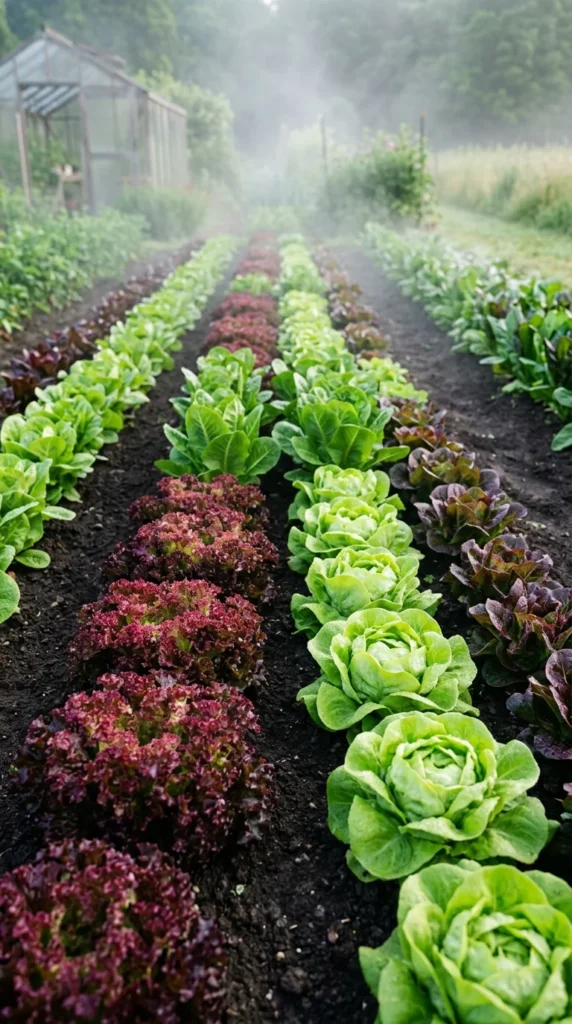
Forget the wilted, bitter lettuce of July. Fall lettuce is crisp, succulent, and vibrant. Because the sun is less intense in the fall, you can grow delicate varieties like Bibb, Romaine, and Butterhead without fear of them scorching.
- Growing Tip: Plant lettuce in the shade of taller plants like kale or broccoli to keep them cool during the tail end of summer heat.
- Harvest Secret: Use a “cut and come again” method by harvesting just the outer leaves, allowing the center to continue growing for several weeks.
6. Radishes
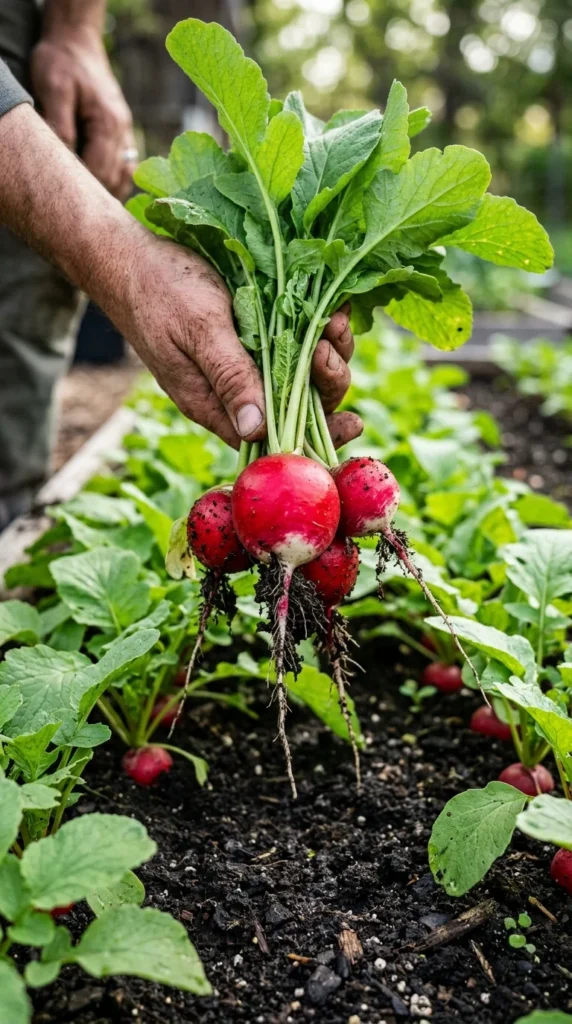
If you’re looking for instant gratification, radishes are your best friend. Many varieties can go from seed to table in as little as 25 to 30 days. Fall radishes tend to be much milder and crispier than those grown in the heat.
- Growing Tip: Thin your seedlings early to ensure the roots have enough space to bulb out properly.
- Harvest Secret: Don’t stop at the red globes; try “Daikon” radishes in the fall. They grow deep into the soil and are excellent for roasting or fermenting.
7. Garlic
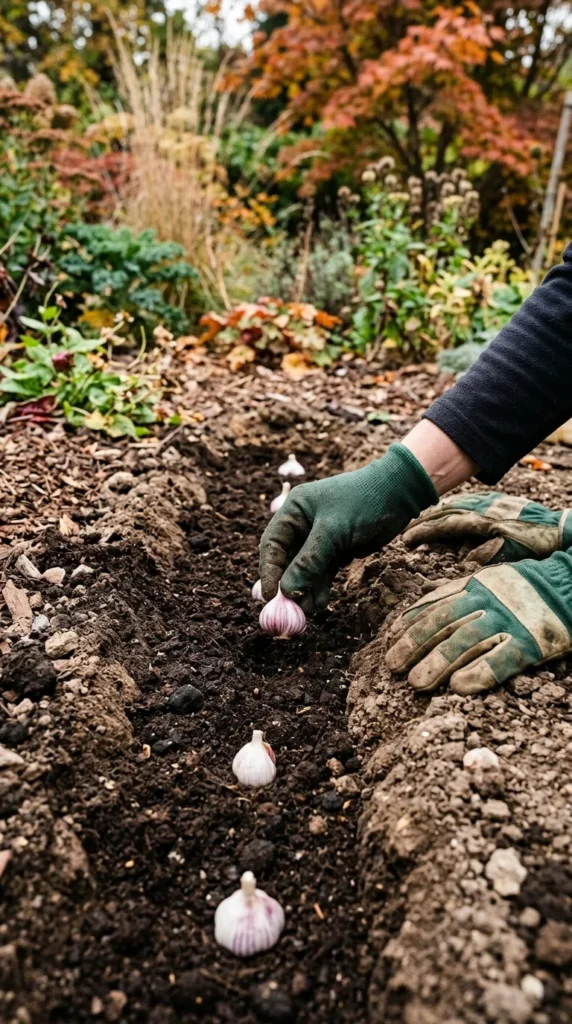
While you won’t harvest garlic in the fall, it is the most critical time to plant it. Planting garlic in October or November allows the roots to establish themselves before the ground freezes, leading to massive bulbs the following summer.
- Growing Tip: Always plant the largest cloves from the bulb to ensure the largest harvest. Plant them pointy-side up!
- Harvest Secret: Cover your garlic bed with 4-6 inches of straw mulch to protect the cloves from the “heaving” effect of the ground freezing and thawing.
8. Broccoli
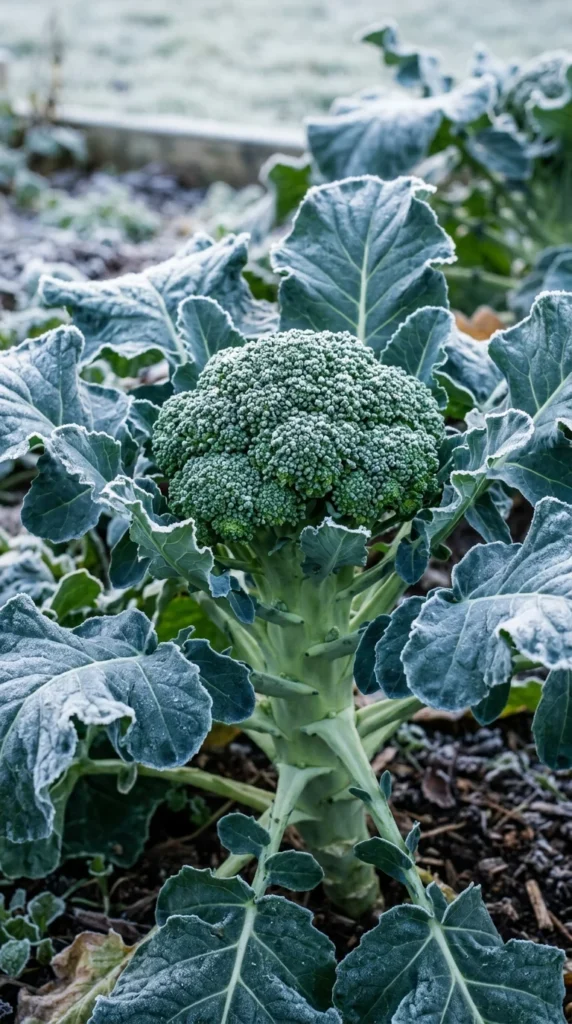
Broccoli is a cool-weather aficionado. In many regions, a fall crop of broccoli is actually more successful than a spring crop because the plants aren’t fighting the encroaching heat of summer.
- Growing Tip: Broccoli is a heavy feeder. Ensure your soil is rich in organic matter and compost before planting.
- Harvest Secret: Once you harvest the main central head, leave the plant in the ground. It will continue to produce smaller “side shoots” that are tender and delicious for weeks.
9. Swiss Chard
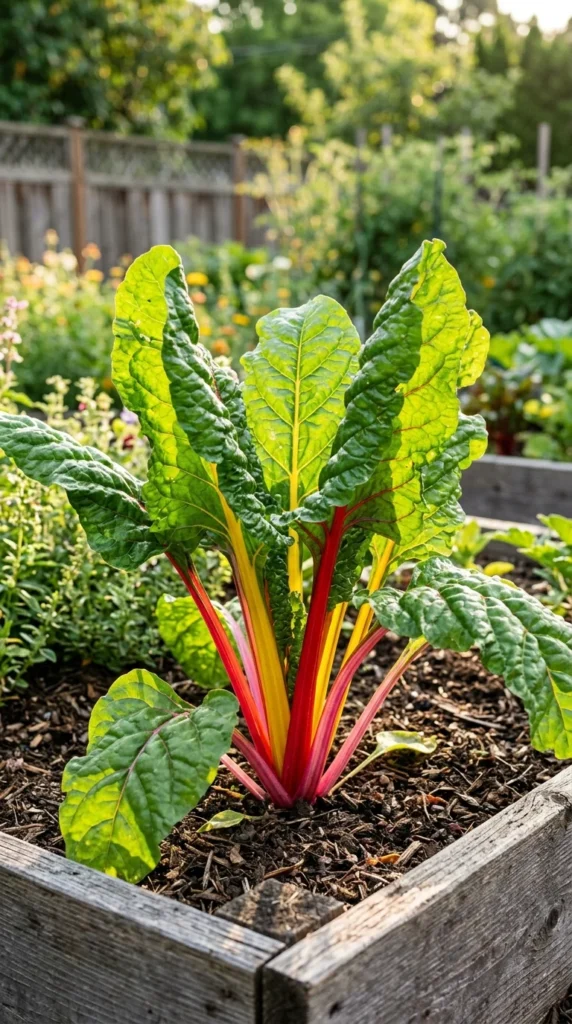
Swiss chard is one of the most beautiful vegetables you can grow. With stalks ranging from neon pink to bright yellow, it adds a decorative element to the fall landscape while providing a bounty of earthy, spinach-like leaves.
- Growing Tip: Swiss chard is incredibly hardy. It can handle both the lingering heat of late summer and the first few touches of frost.
- Harvest Secret: Harvest the larger outer leaves first. This encourages the plant to keep producing new, tender leaves from the center.
10. Beets
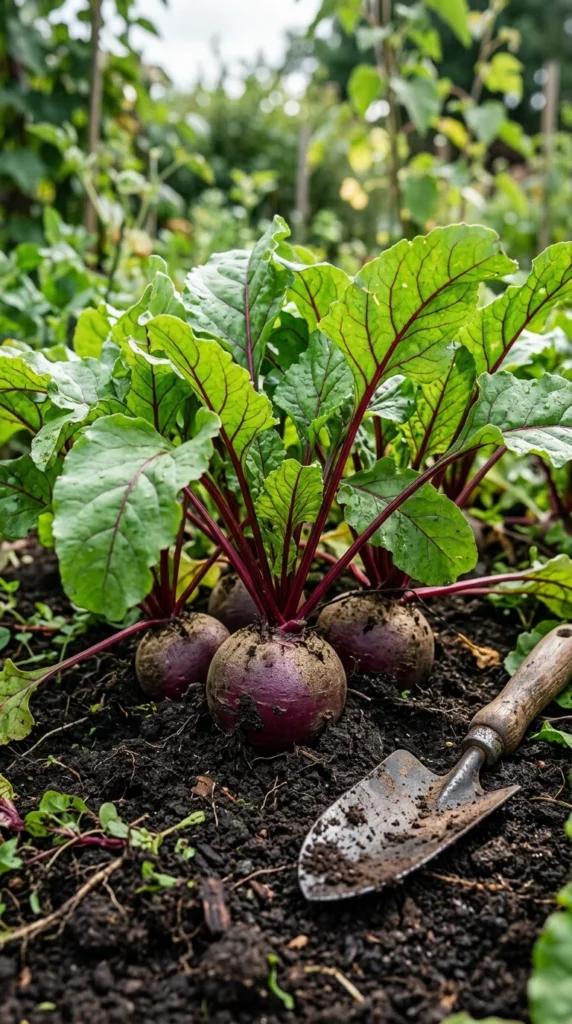
Beets are a double-duty crop. In the fall, you can harvest the nutrient-rich greens for salads and the sweet, earthy roots for roasting. Like carrots, their sugar content increases as the temperature drops.
- Growing Tip: Soak your beet seeds in water for 24 hours before planting to speed up the germination process.
- Harvest Secret: Beets are best when they are about the size of a golf ball. If they get too large, they can become woody and less flavorful.
11. Cabbage
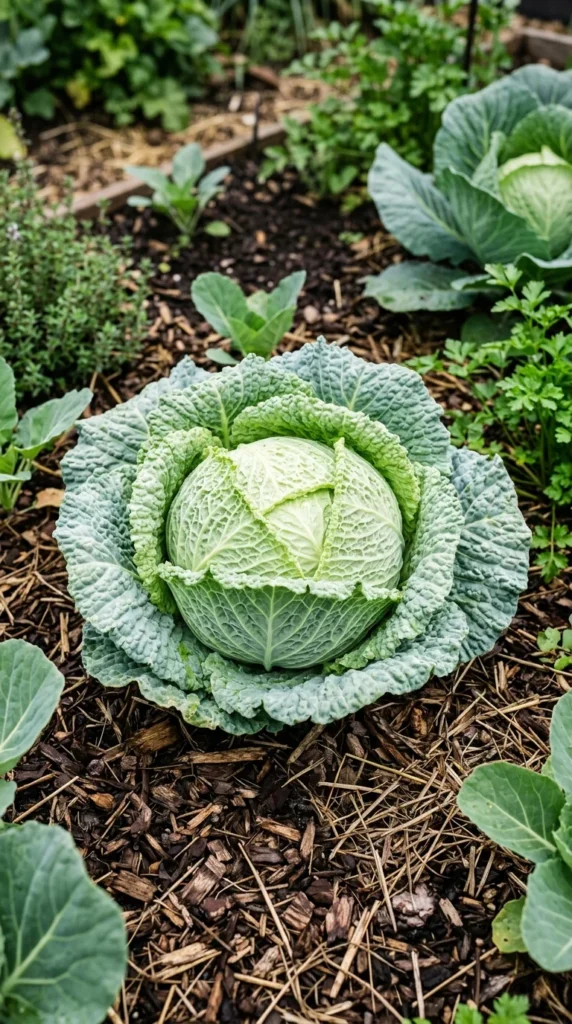
Whether you prefer the smooth-leaved green and red varieties or the crinkled Savoy type, cabbage is a fall garden essential. It is the perfect base for hearty autumn stews or homemade sauerkraut.
- Growing Tip: Watch out for cabbage worms early in the season. Use a lightweight row cover to keep the moths from laying eggs on your young plants.
- Harvest Secret: A mature head of cabbage can sit in the cold garden for a long time without spoiling.
12. Cauliflower
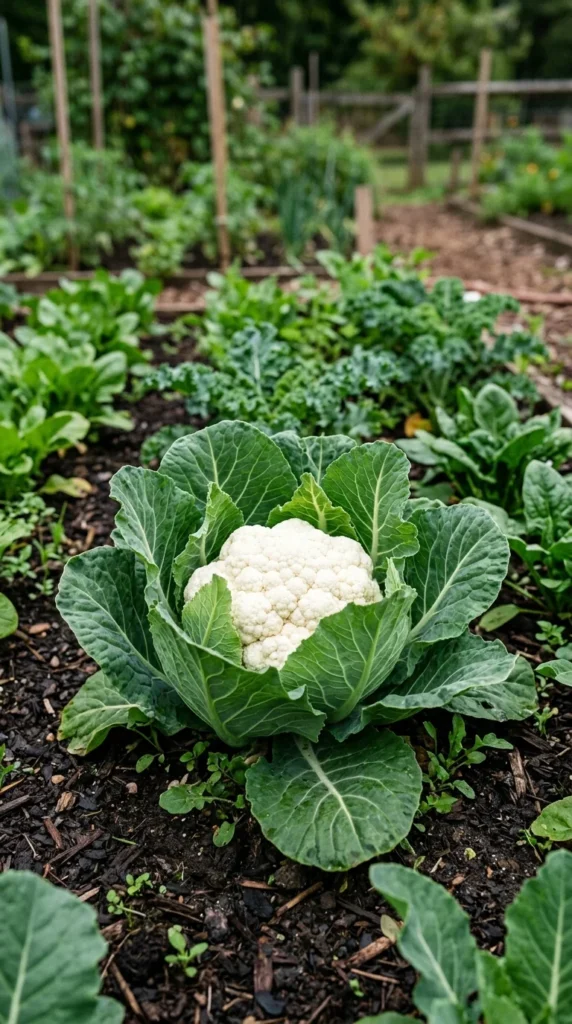
Cauliflower can be a bit more finicky than broccoli, but the reward of a homegrown, sun-protected white head is unmatched. It thrives in the consistent, cool moisture of autumn.
- Growing Tip: If the inner head (the curd) is exposed to too much sun, it can turn yellow. Tie the outer leaves together over the head to “blanch” it and keep it snowy white.
- Harvest Secret: Harvest when the curd is still tight and compact. If it starts to separate, it’s past its prime.
13. Peas
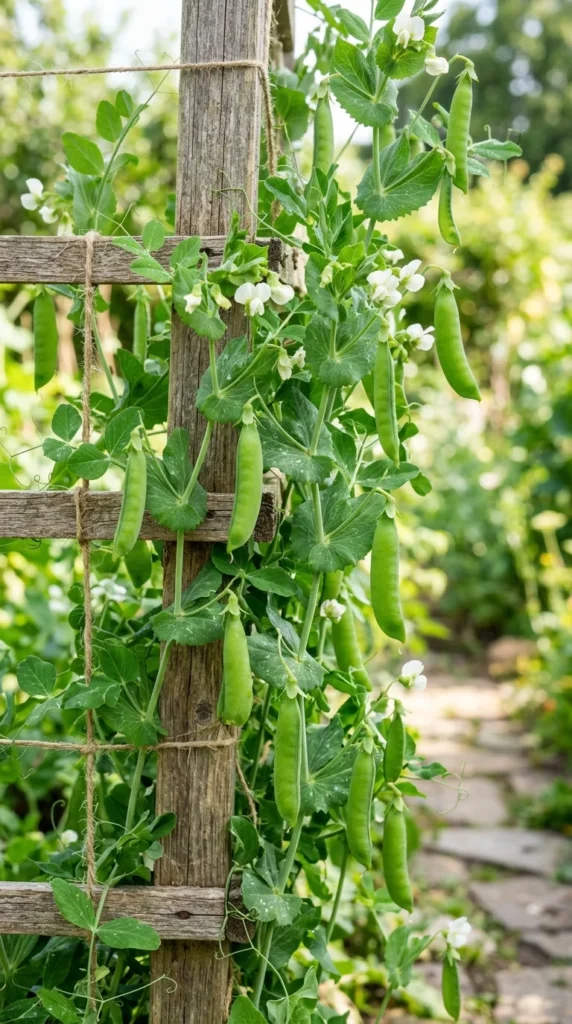
Most people think of peas as a spring-only crop, but “snow peas” and “sugar snaps” can flourish in the fall. They enjoy the cool dampness and will produce until a hard freeze.
- Growing Tip: Choose “early maturing” varieties for your fall garden to ensure they produce pods before the days get too short.
- Harvest Secret: Pick peas frequently to encourage the plant to keep blooming and producing more pods.
14. Collard Greens
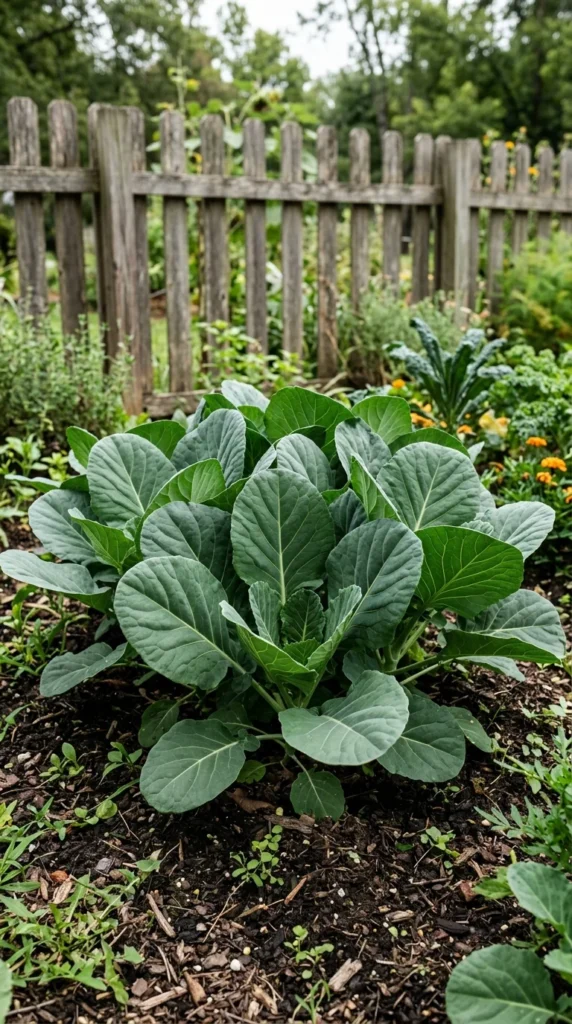
A staple of Southern cooking, collard greens are exceptionally cold-hardy. They are tough enough to stand up to frost and even light snow, making them one of the last standing survivors in the winter garden.
- Growing Tip: Space them about 18 inches apart, as they can grow quite large and need good air circulation.
- Harvest Secret: Like kale, the flavor of collards is greatly improved by a frost, which mellows their natural bitterness.
15. Kohlrabi
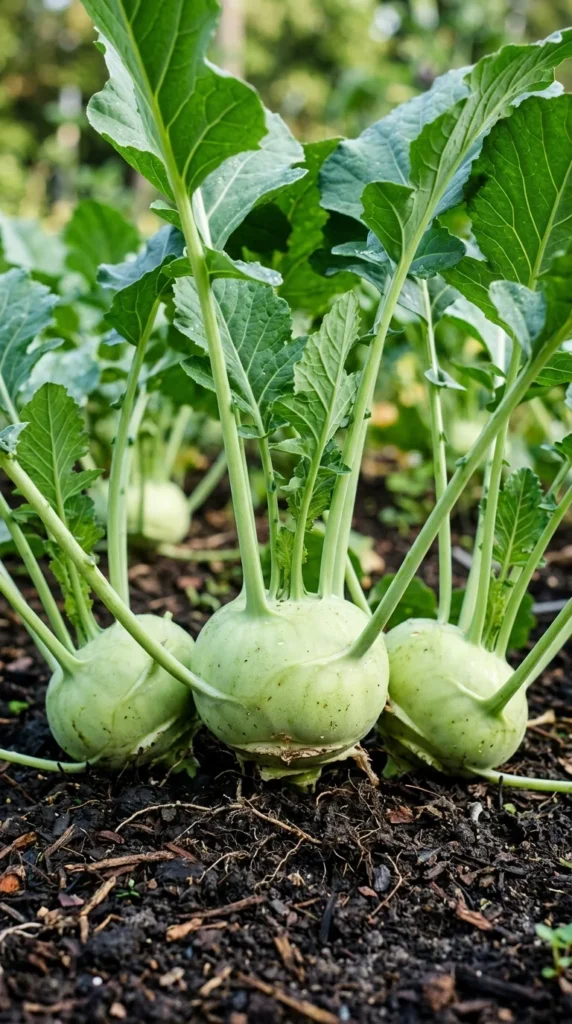
Kohlrabi is the “alien” of the vegetable world, with its strange bulbous stem that grows above ground. It has a flavor that is a cross between a radish and a broccoli stem, with a crisp, apple-like texture.
- Growing Tip: Kohlrabi grows very quickly. Plant it in late summer for a mid-fall harvest.
- Harvest Secret: Harvest kohlrabi when the bulb is about 2-3 inches in diameter. If they get much larger, they can become tough and fibrous.
16. Arugula
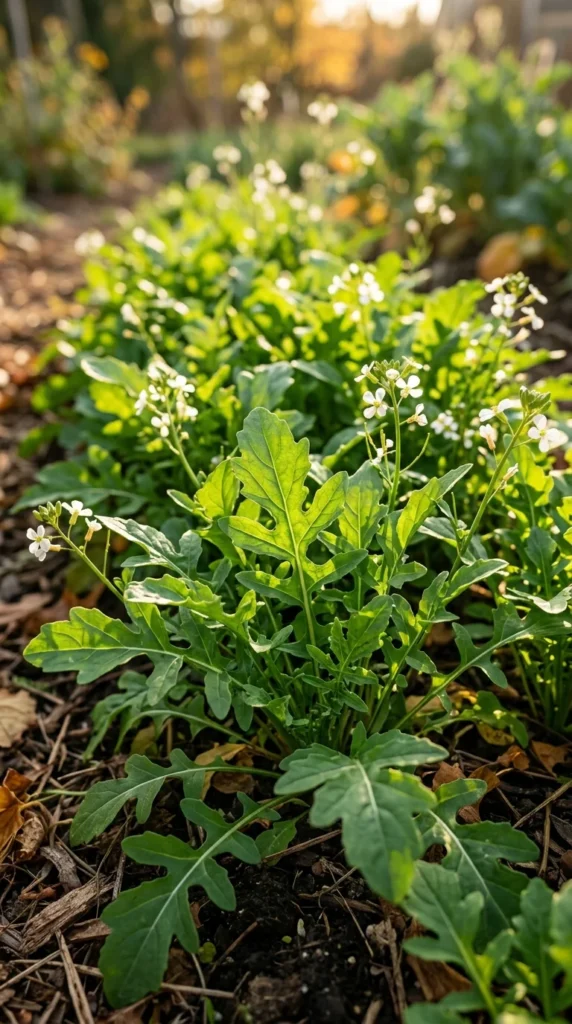
If you like a bit of spice in your salads, arugula is a must. It grows incredibly fast and thrives in the cool, moist conditions of autumn. In the fall, its peppery bite is perfectly balanced and less overwhelming than in the summer.
- Growing Tip: Arugula can be grown in containers very easily if you have limited garden space.
- Harvest Secret: Arugula is best eaten fresh. Harvest the baby leaves for the most tender texture and mildest flavor.
17. Turnips
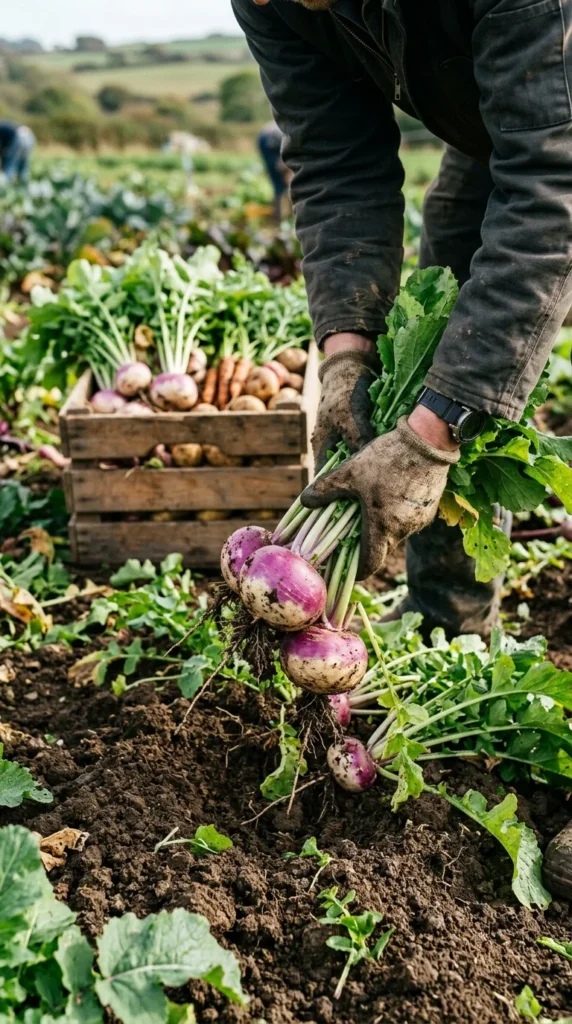
Turnips are often overlooked, but they are incredibly versatile. You can eat the spicy greens and the sweet, crunchy roots. Fall-grown turnips are much sweeter than their spring counterparts.
- Growing Tip: Try “Hakurei” turnips (Japanese salad turnips). They are pure white, incredibly sweet, and can be eaten raw like an apple.
- Harvest Secret: Small turnips are sweet and tender; large turnips are better for mashing or adding to soups.
18. Bok Choy
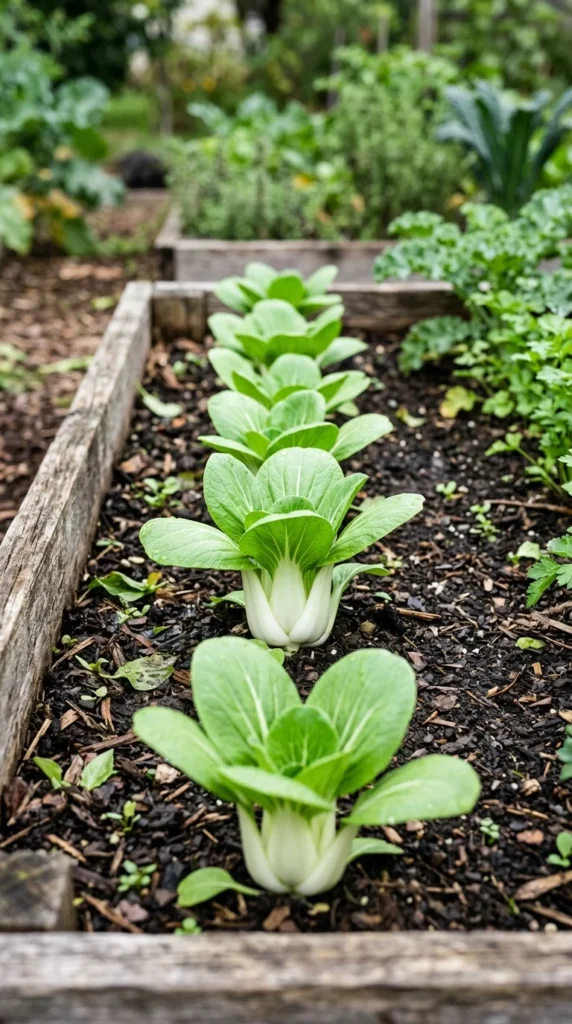
Bok Choy (or Pak Choi) is a fast-growing Asian green that loves the cooling temperatures of fall. It’s perfect for stir-fries and soups and adds a beautiful architectural look to the garden.
- Growing Tip: Bok choy needs plenty of water. If the soil dries out, the plant may bolt prematurely.
- Harvest Secret: You can harvest the entire head at once, or simply snip off individual outer leaves to keep the plant growing longer.
Tips for a Successful Fall Harvest
- Watch the Calendar: Calculate your planting date by looking at the “days to maturity” on your seed packet and counting backward from your average first frost date.
- Mulch Heavily: As the ground begins to cool, a thick layer of straw or shredded leaves will help regulate soil temperature and keep your root crops from freezing.
- Use Protection: Don’t be afraid of the first frost! Using simple row covers or “cloches” made from recycled milk jugs can protect tender greens and extend your harvest by several weeks.
- Stay Hydrated: Even though it’s cooler, fall can be windy and dry. Ensure your vegetables receive at least an inch of water per week to keep them succulent and healthy.
By choosing the right crops and providing a little bit of care, your autumn garden can be just as productive—and perhaps even more delicious—than your summer one!