
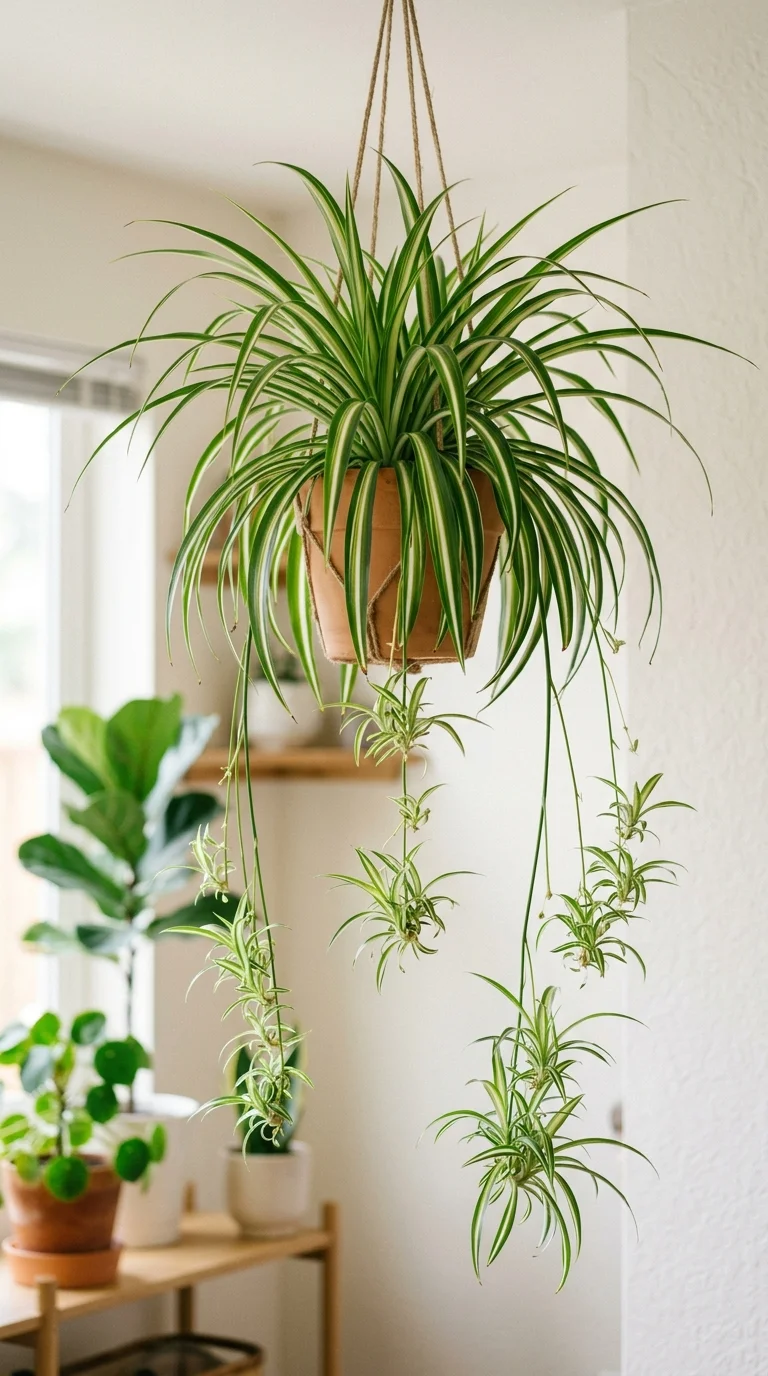
You water your plants faithfully, the soil looks wet, and yet the leaves still droop. It feels unfair — and confusing. The good news is that wilting is a symptom, not a diagnosis. A plant wilts when its leaves lose more water than its roots can replace, and that can happen in soaking wet soil just as easily as in dry soil. Once you find which cause is behind it, most wilting plants recover within days.
Quick Answer
If your plant wilts even though you water it, the most likely causes are overwatering and root damage, water that never reaches the roots, poor drainage, midday heat stress, or a pot-bound root ball. Before you water again, push a finger 5 cm (2 inches) into the soil. If it is wet down there, the problem is almost never thirst.
1. You Are Overwatering
The most common cause of wilting in a well-watered plant is too much water. Roots need air as well as moisture. In constantly soggy soil, roots suffocate, stop absorbing water, and the plant wilts exactly as if it were thirsty. Yellowing lower leaves and soil that stays wet for many days are the giveaway signs.
The fix: let the top 3–5 cm of soil dry out before watering again, always empty saucers after watering, and water thoroughly but less often instead of giving small daily sips.
2. The Water Never Reaches the Roots
Very dry potting soil can become water-repellent. You pour water on top, it runs straight down the inside of the pot and out of the drainage hole, and the root ball in the middle stays bone dry.
The fix: water slowly in two or three passes, or set the pot in a basin of water for 20 minutes so the soil can absorb moisture from below. Then lift the pot — it should feel noticeably heavier.
3. Midday Heat Wilting
On hot afternoons, many plants — tomatoes, hydrangeas and cucumbers are famous for it — droop dramatically and then recover completely by evening. This is a temporary self-defence: the plant closes down to save water during peak heat.
The fix: if the plant recovers overnight, do not drown it. Add mulch around the base, water in the early morning, and give sensitive plants light afternoon shade during heatwaves. Our guide to growing tomatoes explains more heat-stress signs to watch for: https://cozygardener.com/27-growing-tomatoes-easy-tips-every-beginner-should-know/
4. The Pot or Bed Drains Poorly
A pot without drainage holes, or a garden bed of compacted clay, holds water around the roots after every watering. The plant sits in a swamp, roots rot quietly, and wilting gets worse the more you water.
The fix: move potted plants into containers with holes, and loosen heavy garden soil with compost or organic matter. Choosing the right mix matters — see our guide to the best soil for houseplants: https://cozygardener.com/21-best-soil-for-houseplants-every-indoor-gardener-should-know/
5. Root Rot Has Already Started
If stems feel soft at the base, leaves yellow and drop, and the soil smells sour, root rot is likely. Damaged roots cannot drink, no matter how much water surrounds them.
The fix: slide the plant out of its pot, rinse the roots, and cut away any that are black or mushy with clean scissors. Repot into fresh, free-draining soil, water once lightly, then wait.
6. The Plant Is Pot-Bound
When roots circle the bottom of the pot and fill every gap, there is almost no soil left to hold water. Water runs through in seconds and the plant wilts again by the next day.
The fix: repot one size up (only 3–5 cm wider), tease the root ball gently, and backfill with fresh soil so water has something to soak into.
7. Transplant Shock
Plants moved to a new pot or bed often wilt for several days while their roots re-establish, even in perfectly moist soil.
The fix: keep the plant in bright shade for a week, keep the soil evenly moist but not wet, and do not fertilise until you see new growth.
8. Too Much Fertiliser
Over-feeding burns root tips and draws water out of the plant. Wilting that follows a feeding, especially with brown leaf edges, points to fertiliser burn.
The fix: flush the soil with plain water several times to wash out excess salts, then feed at half strength only when the plant is actively growing again.
9. Pests or Disease Under the Leaves
Aphids, spider mites and fungal wilts all interfere with a plant’s water transport. Check the undersides of leaves and the stems; sticky residue, fine webbing or spotted, curling leaves are clues.
The fix: rinse pests off with a strong jet of water, remove badly affected leaves, and improve air circulation around the plant. Succulents show stress differently — their leaves store water — so check our succulent care tips if a succulent is collapsing instead of drooping: https://cozygardener.com/25-succulent-care-tips-every-beginner-needs-to-know/
A Simple 2-Minute Wilting Check
- Finger test: push a finger 5 cm into the soil. Wet soil means stop watering and look for another cause.
- Weight test: lift the pot. A light pot is dry; a heavy pot is holding water.
- Drainage test: after watering, water should drain freely within a minute, not sit on the surface.
- Evening test: check the plant again after sunset. Recovered leaves mean heat stress, not thirst.
- Root test: if wilting continues for three days in moist soil, inspect the roots for rot.
Mistakes to Avoid
Watering on a fixed schedule instead of checking the soil first. Misting the leaves instead of watering the roots. Repotting and fertilising on the same day. And the biggest one: assuming every droop means thirst, and answering root rot with even more water.
Frequently Asked Questions
Does wilting always mean a plant needs water? No. Wilting means the leaves are short of water, which can be caused by dry soil, damaged roots, poor drainage or heat — sometimes in soil that is soaking wet.
Can a wilted plant recover? Usually yes, if the cause is fixed quickly. Heat and thirst wilting often recover within hours; root rot takes longer and may need repotting.
How long after watering should a plant perk up? A thirsty plant normally lifts within 1–4 hours. If nothing changes by the next morning, the problem is not thirst.
Should I cut wilted leaves off? Remove only leaves that are yellow, mushy or clearly dead. Slightly drooped but green leaves can recover and the plant still needs them.
The Bottom Line
When a plant wilts despite watering, check first and water second. Five minutes of diagnosis — soil, drainage, roots, heat — will save more plants than any watering schedule. For more practical, problem-solving garden guides, browse the rest of Cozy Gardener or get in touch through our Contact page.